Address: M5, Al Naumi Tower , Al Mina Road, Al Zahya Area, Abu Dhabi City, UAE
Email: support@justfishinggroup.com
Store Hours: 10:00 - 18:00, Mon - Sat
Legal
© 2025 JustFishing. All Rights Reserved.



Address: M5, Al Naumi Tower , Al Mina Road, Al Zahya Area, Abu Dhabi City, UAE
Email: support@justfishinggroup.com
Legal
© 2025 JustFishing. All Rights Reserved.
Yellowfin Tuna Fishing Guide
August 31, 2025, 2003
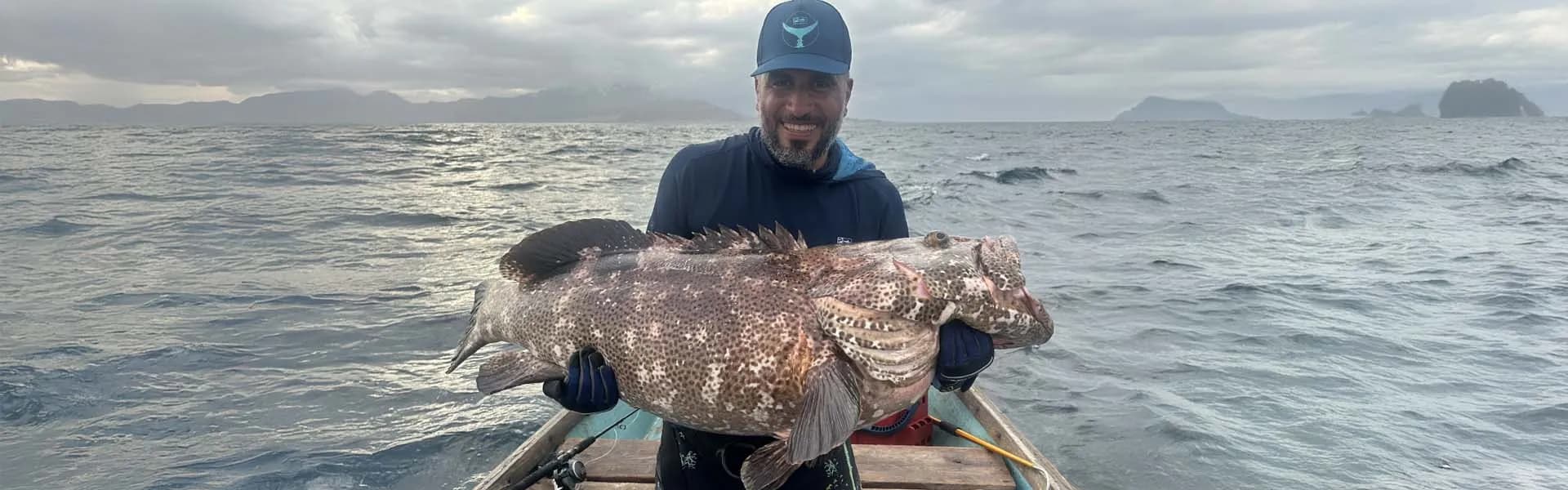
When anglers think of yellowfin tuna, they often imagine faraway tropical waters, powerful runs, and the adrenaline rush of fighting a fish that can exceed 100 kilograms. For those living in or traveling to the Middle East, Muscat, Oman is one of the best-kept secrets in the world of big game fishing. The waters off Muscat are deep, rich, and teeming with life, making them a prime location for yellowfin tuna.
But before you head out on your trip, one question matters most: what tackle do you need to land a yellowfin in Muscat? Choosing the right gear isn’t just about convenience—it’s the difference between going home with a story or going home with the trophy.
In this guide, we’ll cover the essential tackle for a Muscat tuna trip, from rods and reels to lures, leaders, and fighting gear. Whether you’re a seasoned offshore angler or planning your very first yellowfin adventure, this article will make sure you’re prepared.
Yellowfin tuna are famous for their speed, stamina, and power. They fight with long, blistering runs and deep, stubborn circles beneath the boat. In Muscat, they are often caught in offshore waters, sometimes 20–50 kilometers off the coast. Sizes vary, but fish between 20–60 kg are common, and much larger ones are possible.
This means your tackle must balance strength, durability, and comfort. Lightweight setups will simply fail, while overly heavy gear will rob you of the thrill.
Heavy Spinning Rods
For casting poppers and stickbaits—a popular method in Muscat—you’ll need a heavy-duty spinning rod, usually rated PE 6–10 or 30–80 lb class. Lengths between 7’6” and 8’2” give you the casting distance needed to reach busting schools of tuna.
- REEL Shimano Stella or Daiwa Saltiga
- LINE PE 6 to PE 10
- ROD MAX 160 to 200 gram
Stand-Up Rods
For trolling and live baiting, a short, stout stand-up rod is essential. These rods, rated for 50–80 lb line, give leverage when fighting tuna from a fighting belt or harness.
Spinning Reels for Popping & Jigging
- Shimano Stella SW 14000–18000
- Daiwa Saltiga 14000–18000
- Penn Slammer IV 8500–10500
These reels should hold at least 300–400 meters of PE 6–10 braid.
Conventional Reels for Trolling & Live Bait
When trolling diving lures, rigged baits, or live bonito, lever drag conventional reels shine. The Shimano Tiagra 50W, Penn International VISX, or Accurate ATD are all Muscat-tested options.
Braided Mainline
For popping and jigging, braid is king. Most anglers use PE 6–10 (80–100 lb). The thin diameter allows long casts, while the strength ensures you won’t lose fish when they dive.
Monofilament or Fluorocarbon Leader size 130 to 220 LB
Yellowfin tuna have sharp eyesight, especially in Muscat’s clear waters. Use a 100–150 lb fluorocarbon leader for casting lures. For trolling, leaders can be 150–200 lb mono.
Wind-On Leaders
Many offshore anglers now prefer wind-on leaders, which allow smooth passage through rod guides and easy handling near the boat.
Poppers
- Large cup-faced poppers like Carpenter, Heru Cubera, or Halco Roosta 195.
- TUNA POPPERS-Long and small cup profile like SKY GREY, SKIPP-JACK, HUNTA, OCEAN BAIT, BAZOO or FAMOUS Halco Roosta 195.
- Rig with 5/0–7/0 heavy-duty treble or single hooks.
Stickbaits
- Shimano Ocea Pencil
- STRATEGIC ANGLER
- Siren Lures
Jigs
When tuna sound and won’t rise to the surface, vertical jigging saves the day. Use 200–400 g metal jigs in blue, silver, and pink. Pair with assist hooks made of 9/0–11/0 heavy-duty hooks.
Trolling Lures
- Rapala X-Rap Magnum 30–40
- Williamson Speed Pro Deep
- Skirted lures (Black Bart, Pakula)
- Heavy-duty split rings & swivels (rated 150–250 lb)
- Crimping sleeves and pliers for secure connections
- Circle hooks (8/0–12/0) for live bait fishing
- Gaffs and landing nets strong enough for 50+ kg tuna
- Fighting belt & harness – absolutely necessary for long battles
- Gloves – prevent braid cuts when handling line
- Waterproof tackle bag – to organize and protect gear
- Keep steady pressure—don’t pump and wind too aggressively.
- Use your body weight and fighting belt instead of relying on arms alone.
- Communicate with the captain—boat maneuvers often decide whether you win or lose.
- Be ready at the endgame—yellowfin circle under the boat before surfacing, so have the gaff man prepared.
- Season: The best months are October to April, when seas are calmer and tuna are abundant.
- Boats & Guides: Muscat has experienced charter captains who know the hotspots like TOP WATER TALE, RUSH FISHING, DR. ANGLER OMAN.
- Regulations: Oman encourages responsible fishing—always respect local rules and practice sustainable harvest.
- Weather: Arabian Sea conditions can change quickly; pack ligh
Rate this blog
Categories
Popular Tags