


Why combining diving and fishing trips is worth it
Combining diving and fishing trips gives you more than two activities on one boat. You get a genuinely different kind of day on the water, one that works your body, settles your mind, and deepens your connection to the ocean in ways neither activity achieves alone.
Here is what you gain when you put both on the same itinerary:
- Physical variety: Scuba diving delivers a full-body cardiovascular workout against water resistance, while fishing offers low-intensity movement and focused patience. Together, they cover the full spectrum of physical engagement.
- Mental reset: Scuba diving produces effects similar to meditation, with slow, deep breathing promoting mindfulness and reduced anxiety. Fishing adds its own quieter restoration through natural immersion and unhurried pace.
- Autonomy and choice: Switching between activities lets you direct your own experience, which research links directly to improved well-being.
- Marine literacy: Divers read the reef; anglers read the surface currents. Sharing that knowledge on a single trip builds a richer picture of what is happening beneath the water.
- Conservation alignment: Both communities care about the same ecosystems. Combining the activities tends to reinforce responsible behavior across both.
What the research says about health benefits
The benefits of diving and fishing are well-documented individually. Put them together and the wellness case gets stronger. Recreational angling satisfies three core psychological needs identified in Self-Determination Theory: autonomy, competence, and social belonging. Autonomy is the most powerful of the three, and angling delivers it directly by letting you choose when, where, and how you fish. Recreational angling and nature contact produced a measurable drop in cortisol in older adults, a measurable physiological shift, not just a feeling.
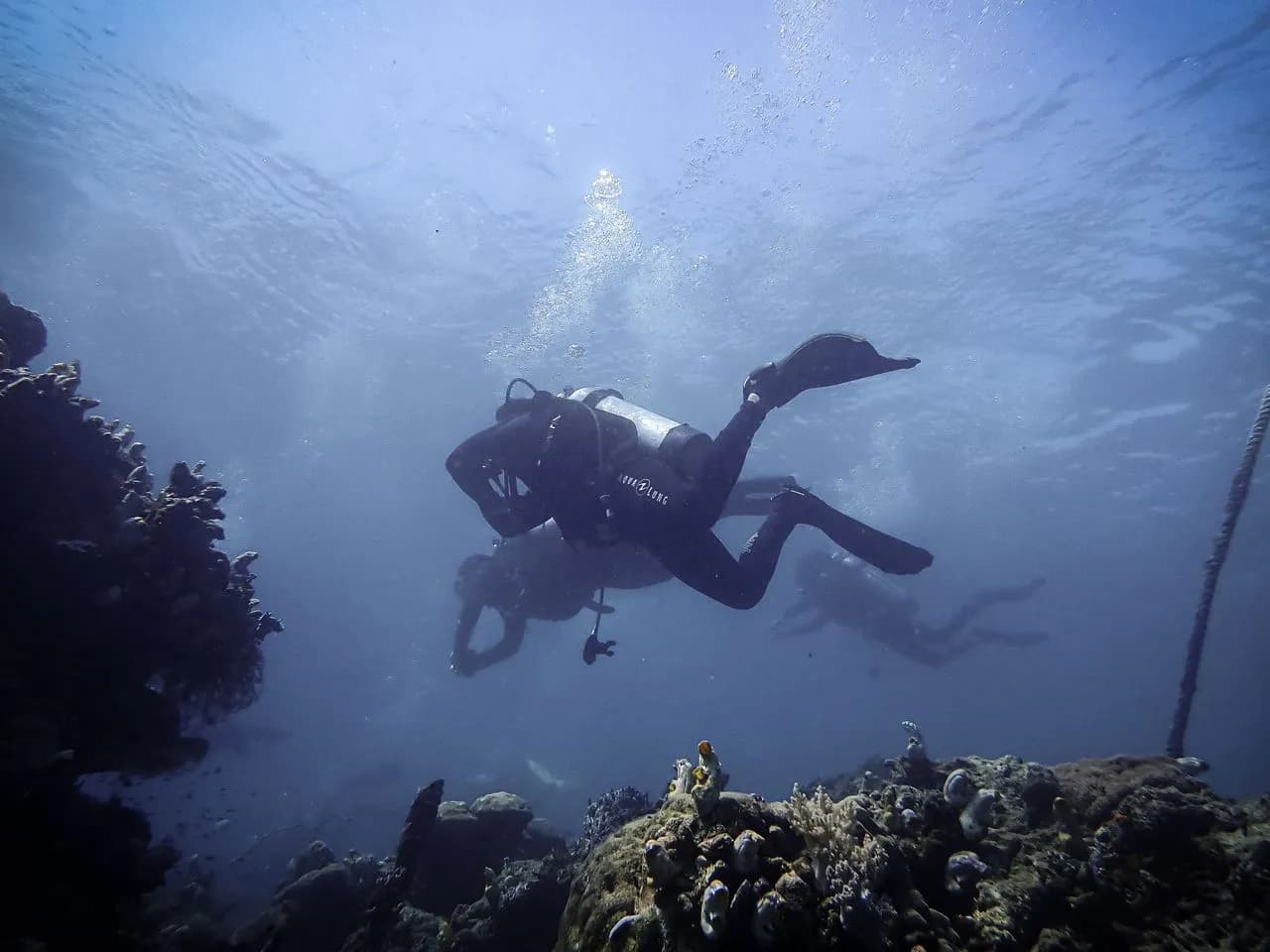
Scuba adds a different layer. Studies show scuba diving reduces perceived stress and decreases negative mood states including tension, anger, and depression, with particularly strong effects for people managing chronic illness. The underwater environment itself contributes: blue spaces reduce stress and encourage physical activity in ways that land-based recreation often cannot match.
Socially, scuba diving builds a shared identity and community that extends well beyond the water. Anglers experience the same through generational fishing traditions and shared time on the water. A combo trip puts both communities in the same space, which tends to accelerate that sense of belonging.
Pro Tip: If you or someone in your group manages anxiety or chronic pain, prioritize a guided small-group dive over a large charter. Research consistently shows smaller groups with a divemaster produce better mental health outcomes and less reef damage.
How to plan and schedule a successful combo trip
The logistics of combining scuba and fishing are manageable once you understand the basic rhythm professional charters use. Most experienced combo operators start with an early morning fishing session to catch the peak bite, typically before 9:00 AM, then pull lines and prepare for the first dive. After surfacing, the group fishes again during the surface interval, which doubles as productive angling time. A second dive follows once the interval is complete, and any remaining trip time goes back to fishing.
A few planning essentials:
- Communicate skill levels upfront. Guides to need to know your certification level and diving experience to select appropriate sites. Advanced divers can access drift dive spots and rarely visited reefs that beginner-focused large charters skip entirely.
- Choose trip length wisely. Half-day trips typically allow one dive per person. Six-hour and nine-hour trips allow two dives each, with fishing woven in between.
- Confirm what is included. Quality charters cover gear rental, bait, ice, and fish cleaning. Some add catch-and-cook services onboard, turning the trip into a full coastal meal experience.
- Check the calendar. Fishing bites and dive visibility both follow seasonal patterns. Booking during the right window for your destination makes a real difference in what you actually see and catch.
For destination ideas and trip planning resources, the Justfishinggroup blog covers a range of fishing destinations across the Maldives, Seychelles, Kenya, and beyond.
What gear to bring on a combined diving and fishing trip
Gear selection for a combo trip comes down to one word: durability. Salt, water pressure, and constant wet-dry cycling destroy equipment that was not built for it. Quality combo gear must maintain functionality after repeated exposure to salt, wind, and water pressure, which means cutting corners on either side creates problems fast.
Pack with both activities in mind:
- Diving: BCD, regulator, wetsuit, mask, fins, dive computer, and an SMB (surface marker buoy) for safety. Confirm with your charter what rental gear is available so you are not doubling up unnecessarily.
- Fishing: Rods rated for saltwater, corrosion-resistant reels, and terminal tackle suited to the target species. Premium saltwater lures and jigs built for offshore conditions hold up far better than freshwater gear in a marine environment.
- Shared essentials: Polarized sunglasses (useful for reading surface water whether you are fishing or preparing to dive), reef-safe sunscreen, a dry bag for electronics, and a first-aid kit.
- Clothing: A rash guard works for both activities, protecting against sun above water and wetsuit chafing below it.
Safety and environmental best practices
Safety on a combo trip requires coordination that a single-activity charter does not need. The most common risk is line entanglement when divers enter or exit the water near active fishing setups. Professional charters manage this with clear zoning protocols: all fishing lines are secured and cleared before any diver enters the water, and divers surface away from the fishing side of the boat.
Beyond physical safety, environmental responsibility shapes how good operators run these trips:
- Permits and regulations: Fishing licenses and dive site permits vary by location. In U.S. waters, federal and state regulations govern both activities, and ignorance of the rules does not exempt you from fines. Verify requirements for your specific destination before you book.
- Sustainable fishing: Catch-and-release for non-target species is standard practice on responsible charters. For species you keep, local size and bag limits apply.
- Ecological briefings: Diving with a divemaster who provides a pre-dive briefing significantly reduces damage to reef organisms like corals and gorgonians. Ask for one every time.
- Zone separation: Keeping fishing and diving zones distinct protects both the divers and the marine habitat from accidental bycatch or anchor damage.
Divers and anglers who share conservation knowledge tend to advocate more effectively for marine habitat protection than either group does alone. That shared investment is one of the less obvious reasons combo trips matter.
Justfishinggroup makes your next combo adventure easier to plan
Sorting through destinations, gear lists, and permit requirements for a combined fishing and diving trip takes real time. Justfishinggroup cuts through that by putting fishing trips across the Maldives, Seychelles, Kenya, Egypt, and more alongside a full gear catalog in one place, so you can plan the trip and equip it without bouncing between a dozen sites.
The platform is built for serious anglers who want more from their time on the water, whether that means a deep-sea charter in the UAE or a multi-activity expedition in the Indian Ocean. Browse available fishing and diving destinations and book your next trip directly through Justfishinggroup.