

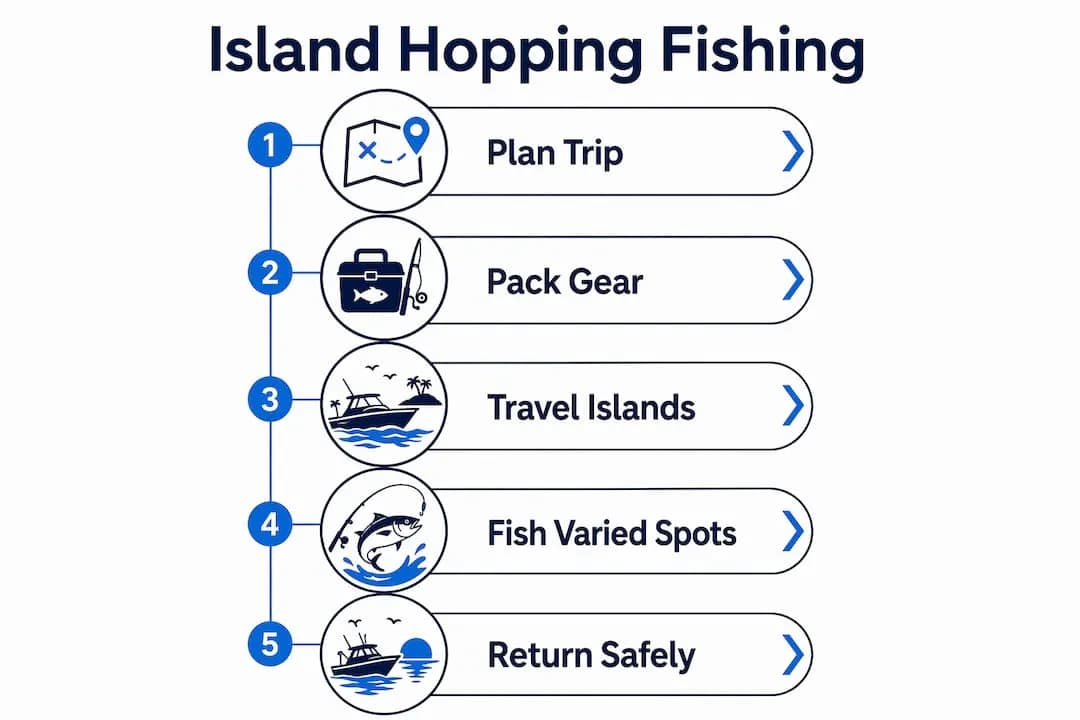
Island hopping fishing is defined as a multi-stop angling journey that moves between islands or coastal sites to target different fish species across varied marine environments. Anglers cover everything from shallow tropical flats to deep offshore atolls in a single trip, which is what separates this style from stationary boat fishing. Trips range from casual light-tackle day outings to multi-day remote expeditions, making the format accessible to families and serious anglers alike. Justfishinggroup covers destinations across the Maldives, Seychelles, Kenya, and beyond, giving you a direct path to planning your next island fishing adventure.
What is island hopping fishing and how does it work?
Island hopping fishing is the practice of moving between two or more island locations during a single trip to fish different habitats and target different species. The industry term for the broader concept is multi-location charter fishing, though “island hopping fishing” is the phrase most anglers use when searching for this experience. The core logic is simple: no single island offers every environment, so moving between them multiplies your opportunities.
Full-day trips typically cover 2–3 locations with breaks between spots, while expedition-style trips last several days without returning to port. Inshore fishing usually stays within 1–3 miles of coastlines, targeting species like bonefish, snapper, and jacks on shallow flats and reef edges. Offshore trips push into open water, covering hundreds of kilometers to reach pelagic grounds for wahoo, tuna, and marlin. The difference in scale between these two styles is significant, both in cost and physical demand.
A lifestyle-focused approach distinguishes casual resort-based trips from serious expedition-style adventures, setting clear expectations for preparation and outcomes. Knowing which style fits your goals before you book saves money and prevents disappointment on the water.
What types of island hopping fishing trips are available?
Trip styles in island hopping fishing fall into three broad categories, each suited to a different angler profile.
- Light-tackle day trips: These cover 2–3 island stops in a single day. They suit families, beginners, and anglers who want variety without committing to overnight travel. Gear is usually provided, and the pace is relaxed.
- Multi-day inshore expeditions: These trips focus on flats and reef systems across a chain of islands. Anglers stay aboard or at island lodges, fishing different spots each morning based on tides and conditions.
- Offshore pelagic expeditions: These push into deep water between island groups. Targets include billfish, wahoo, and yellowfin tuna. They require physical stamina and more specialized gear.
Cost varies widely across these categories. Day trips are the most affordable entry point. Multi-day offshore expeditions with professional captains and premium vessels sit at the high end. Advanced booking is recommended across all tiers, especially for peak season slots at popular destinations.
Permits and licenses depend on the destination. The Marshall Islands, for example, allow recreational fishing for tourists without a license across its 29 atolls. Other destinations like Christmas Island require advance permits. Always confirm local regulations before departure.
Pro Tip: Choose your trip type based on your target species first. If bonefish on the flats is the goal, a light-tackle inshore trip is the right call. If you want wahoo or marlin, book an offshore pelagic charter and plan for at least two days on the water.
Which fishing techniques work best for island hopping?
A mixed-tackle approach is the most effective strategy for island hopping fishing. No single rod and reel setup covers every environment you will encounter across multiple island stops.
- Fly fishing on the flats. Use 8–9 weight fly rods for bonefish and permit on shallow sand flats. Sight-fishing is the method here: you spot the fish, present the fly ahead of its path, and strip it back at the right speed. Polarized sunglasses are not optional for this technique. They cut surface glare and let you see fish that would otherwise be invisible.
- Light spinning gear for reef shots. A medium-light spinning setup with 20–30 lb braid covers opportunistic reef fishing between flats sessions. Jigs like the Savage Gear Sardine Slider are well-suited to this environment, sinking fast and triggering reaction strikes from snapper and trevally.
- Trolling for pelagics. Slow trolling at 2–3 knots targets snapper and jacks near headlands and reef edges. Faster trolling at 5–7 knots covers open water for wahoo and tuna. Matching your speed to the target species is one of the most overlooked variables in offshore island fishing.
- Popping and stick-baiting. Surface lures like the Fish Inc Tight Head Prop sinking stick bait draw explosive strikes from giant trevally and other aggressive reef predators. This technique works best at dawn and dusk near island structure.
Sun protection directly impacts fishing endurance. UPF-rated apparel and polarized lenses are not comfort items. They determine how long you can fish effectively in tropical glare. Anglers who skip sun protection fatigue faster and miss fish.
Pro Tip: Pack a minimum of two rod setups for any island hopping trip: one fly or light spinning rod for flats work and one heavier spinning or conventional rod for offshore or reef fishing. Switching between them takes seconds and keeps you ready for whatever the next island presents.
What are the best island hopping fishing destinations?
The best island hopping fishing destinations combine species diversity, accessible logistics, and productive habitats across multiple islands within reach of each other.
Christmas Island (Kiritimati), Kiribati is the global benchmark for bonefish on the flats. Bonefish run in large schools across extensive wading flats, and giant trevally ranging from 10 to 100+ lbs patrol the same waters. The remote location requires advance permits and careful planning, but the fishery is unmatched for fly anglers.
Tonga offers a mixed-tackle experience across reef systems and open-water channels between island groups. Fly fishing for bonefish and spinning for trevally are both productive, and the island chain’s geography creates natural current breaks that concentrate fish.
The British Virgin Islands deliver one of the most diverse island hopping fishing experiences in the Atlantic. The North Drop is a premier billfish area, producing blue marlin, white marlin, and sailfish. Inshore, mahi-mahi, wahoo, and tunas are consistent targets. Local guides with knowledge of underwater ledges and current lines are the difference between a productive day and a blank one.
The Marshall Islands spread across 29 atolls, with Majuro and Arno Atoll as the top fishing spots. The dry season delivers calm seas and outstanding flats fishing for bonefish and giant trevally. The wet season increases pelagic presence, making it a year-round destination depending on your target species. For broader context on sportfishing gear and techniques suited to these environments, sportfishing resources offer useful technical background.
| Destination | Top Species | Trip Type | Permit Required | Best Season |
|---|---|---|---|---|
| Christmas Island, Kiribati | Bonefish, Giant Trevally | Flats wading, fly fishing | Yes | april–october |
| Tonga | Bonefish, Trevally, Reef Fish | Mixed tackle, inshore | Check locally | may–november |
| British Virgin Islands | Marlin, Wahoo, Mahi-mahi | Offshore, inshore charter | No | november–july |
| Marshall Islands | Bonefish, Tuna, Marlin | Flats, offshore | No | year-round |
How should you plan and prepare for an island fishing adventure?
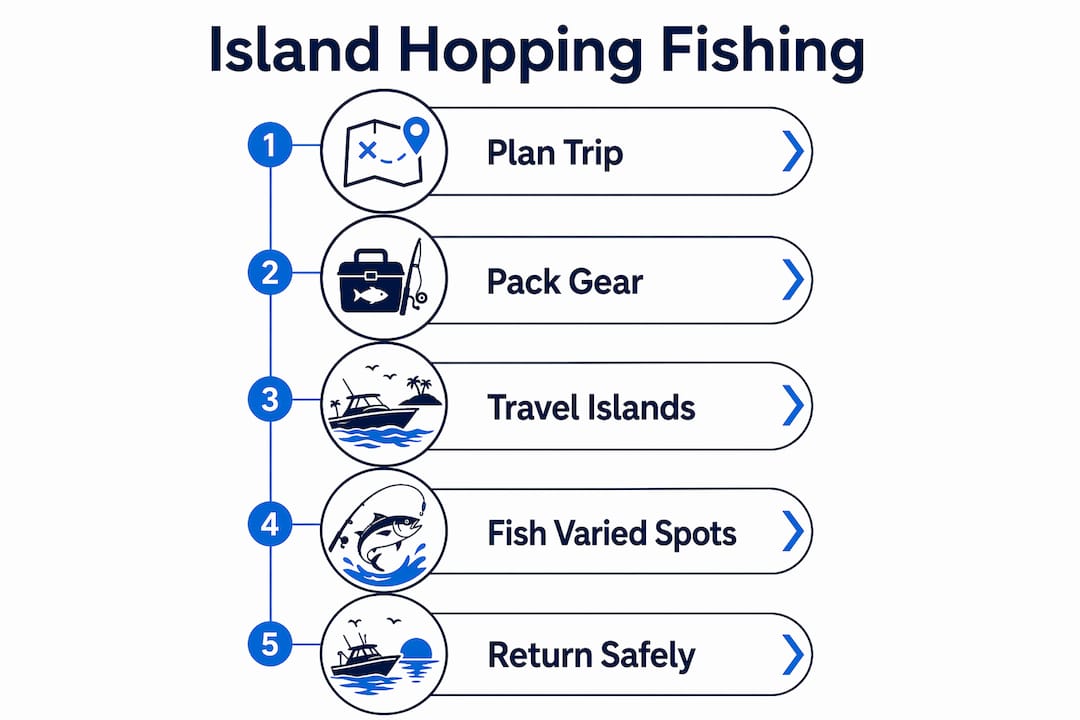
Planning a successful island hopping fishing trip requires more lead time than a standard fishing charter. The logistics involve multiple moving parts: permits, seasonal timing, vessel transfers, and gear selection across different environments.
- Book early. Top guides and charter vessels at premier destinations fill months in advance. For Christmas Island or the Marshall Islands, booking 6–12 months ahead is standard practice for peak season dates.
- Hire local guides. Local knowledge reduces guesswork and opens productive waters that visiting anglers would never find on their own. Guides read tide-dependent fish behavior and navigate complex reef systems that charts do not fully capture.
- Check permits before you go. Requirements vary by destination and can change seasonally. Confirm with your charter operator or the local fisheries authority well before departure.
- Plan around tides and seasons. Flats fishing is tide-dependent. Bonefish and permit feed actively on incoming tides over shallow sand. Pelagic fishing improves during specific seasonal windows when baitfish concentrations peak.
- Prepare physically. Multi-day island hopping trips involve long hours on the water, constant sun exposure, and repeated casting. Fitness matters more than most anglers expect. Build endurance before the trip, not during it.
- Pack for flexibility. Weather changes fast in island environments. Build buffer days into your itinerary so a blown-out morning does not cost you an entire fishing location.
- Respect the environment. Many of the best island fishing destinations are fragile ecosystems. Practice catch-and-release on bonefish and giant trevally, follow local regulations on size and bag limits, and avoid wading on live coral.
Costs vary widely based on exclusivity and destination. A light-tackle day trip in the BVI runs far less than a week-long guided expedition to Christmas Island. Set a realistic budget that includes flights, accommodation, guide fees, permits, and gear before comparing trip options.
Key Takeaways
Island hopping fishing delivers the widest species variety of any angling format by combining flats, reef, and offshore environments across multiple locations in a single trip.
| Point | Details |
|---|---|
| Define your trip style first | Choose between light-tackle day trips, inshore expeditions, or offshore pelagic charters based on target species. |
| Use a mixed-tackle setup | Bring at least one flats rod and one heavier spinning or conventional rod to cover every island environment. |
| Hire local guides | Local expertise raises catch rates and accesses productive waters that visiting anglers cannot find independently. |
| Book 6–12 months ahead | Premier destinations like Christmas Island and the Marshall Islands fill quickly during peak season. |
| Match trolling speed to species | Troll at 2–3 knots for inshore snapper and jacks; increase to 5–7 knots for open-water wahoo and tuna. |
What I have learned from years of island hopping fishing
The thing most anglers underestimate about island hopping fishing is how much the environment changes between stops. You can be wading a knee-deep bonefish flat at 7:00 AM and trolling 200 feet of water for wahoo by noon. That shift demands mental flexibility, not just different gear.
The biggest mistake I see is anglers who arrive with a fixed plan and refuse to adapt. The best days on the water happen when you let the guide read the conditions and adjust. A guide who knows that a specific channel between two islands holds giant trevally on a falling tide is worth more than any piece of gear you packed.
Physical preparation is also consistently underestimated. Eight hours of casting in tropical sun, often on a moving boat, is genuinely demanding. Anglers who train for it, even with basic cardio and shoulder work, fish better on day three than those who do not.
The destinations that have stayed with me longest are the ones where the fishing and the place itself are inseparable. Christmas Island is not just a great fishery. It is a remote, quiet place where the flats stretch to the horizon and the only sound is the wind and the occasional splash of a tailing bone. That combination of place and pursuit is what makes island hopping fishing worth every logistical headache.
If you are on the fence about committing to a multi-day expedition, commit. The fishing trips that push you out of your comfort zone are the ones you talk about for years.
What is island hopping fishing in simple terms?
Island hopping fishing is a multi-stop angling trip that moves between two or more islands or coastal sites to fish different habitats and target different species in a single outing or expedition.
Do you need a fishing license for island hopping trips?
License requirements depend entirely on the destination. The Marshall Islands allow recreational fishing for tourists without a license, while locations like Christmas Island require advance permits. Always confirm with your charter operator before departure.
What gear do you need for island hopping fishing?
A mixed-tackle setup is the standard approach: an 8–9 weight fly rod for flats fishing, a medium-light spinning rod for reef work, and a heavier conventional or spinning setup for offshore trolling. Polarized sunglasses and UPF apparel are also non-negotiable for full-day tropical fishing.
What are the best destinations for island hopping fishing?
Christmas Island in Kiribati, the British Virgin Islands, Tonga, and the Marshall Islands are among the top global destinations. Each offers a distinct combination of species, habitats, and trip styles suited to different angler goals.
How far in advance should you book an island hopping fishing trip?
Book 6–12 months ahead for peak-season dates at premier destinations. Top guides and charter vessels fill quickly, and permit applications at some locations require additional lead time.