


What Is Freshwater Fishing: a Beginner’s Guide
TL;DR:
- Freshwater fishing involves angling in inland waters with salinity below 0.5 ppt, attracting over 38 million US anglers annually. Beginners can start with lightweight gear, basic techniques, and targeting common species like bass, trout, or panfish in lakes or rivers. Conservation practices and strategic location reading are essential for sustainable success and deeper ecological understanding.
Freshwater fishing is exactly what it sounds like, yet it contains depths most beginners never expect. Defined as angling in inland waters below 0.5 ppt salinity, it covers everything from casting a line off a muddy riverbank to drift fishing a cold mountain stream. The scale alone is staggering. 38.6 million anglers in the US alone generate over $26 billion in retail sales annually. Whether you want to catch bass on a quiet lake or learn the basics before booking your first guided trip, this guide covers freshwater fishing techniques, gear, fish species, locations, and the tips that actually make a difference.
Table of Contents
- Key takeaways
- What is freshwater fishing and why it matters
- Freshwater fishing techniques for beginners
- Popular types of freshwater fish
- Best freshwater fishing locations and conditions
- Essential freshwater fishing gear
- Tips for successful outings and conservation
- My take: what fishing actually teaches you
- Start your fishing journey with Justfishinggroup
- FAQ
Key takeaways
| Point | Details |
|---|---|
| Freshwater defined by salinity | Any inland water body below 0.5 ppt salinity qualifies as a freshwater fishing environment. |
| Beginners have a clear path | Start with basic rod and reel setups, simple rigs, and common species like bass or panfish. |
| Location reading matters most | Knowing where fish hold, near structure, current breaks, or depth changes, outperforms any gear upgrade. |
| Gear stays light and affordable | Freshwater setups are lighter and less expensive than saltwater equivalents, making entry costs manageable. |
| Conservation starts with you | Proper catch-and-release technique and respecting size limits keep fish populations healthy for future seasons. |
What is freshwater fishing and why it matters
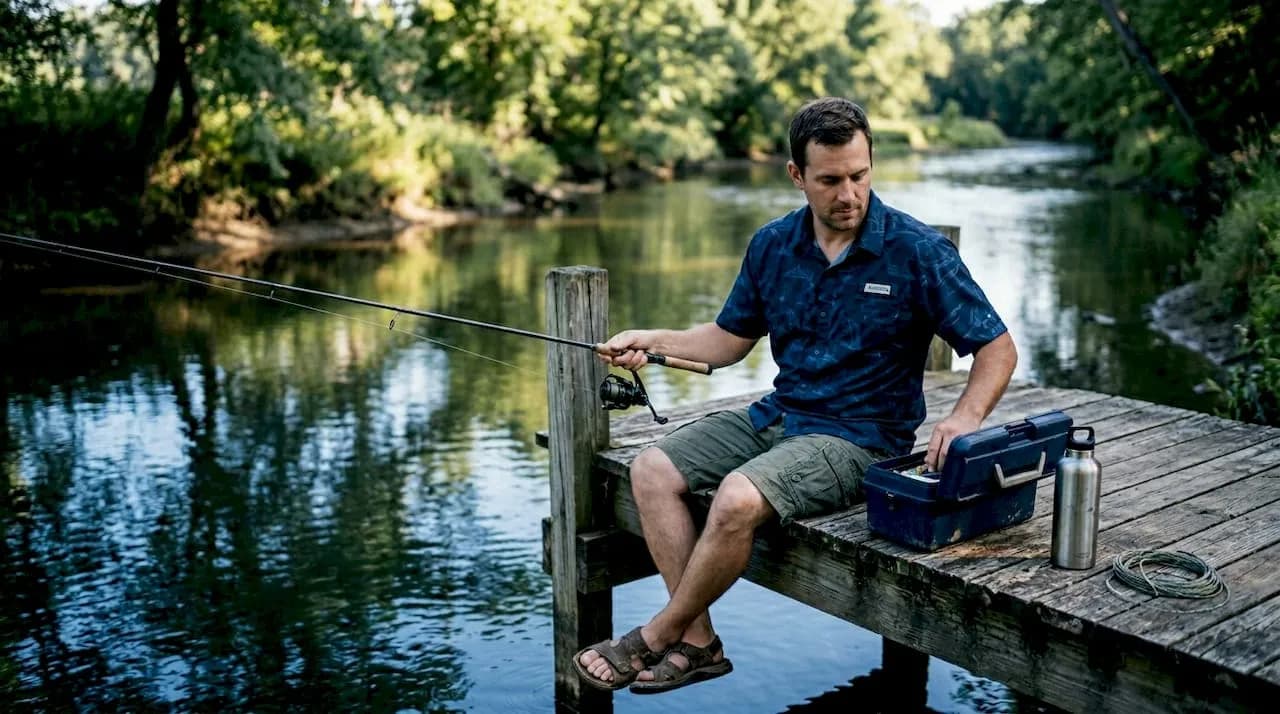
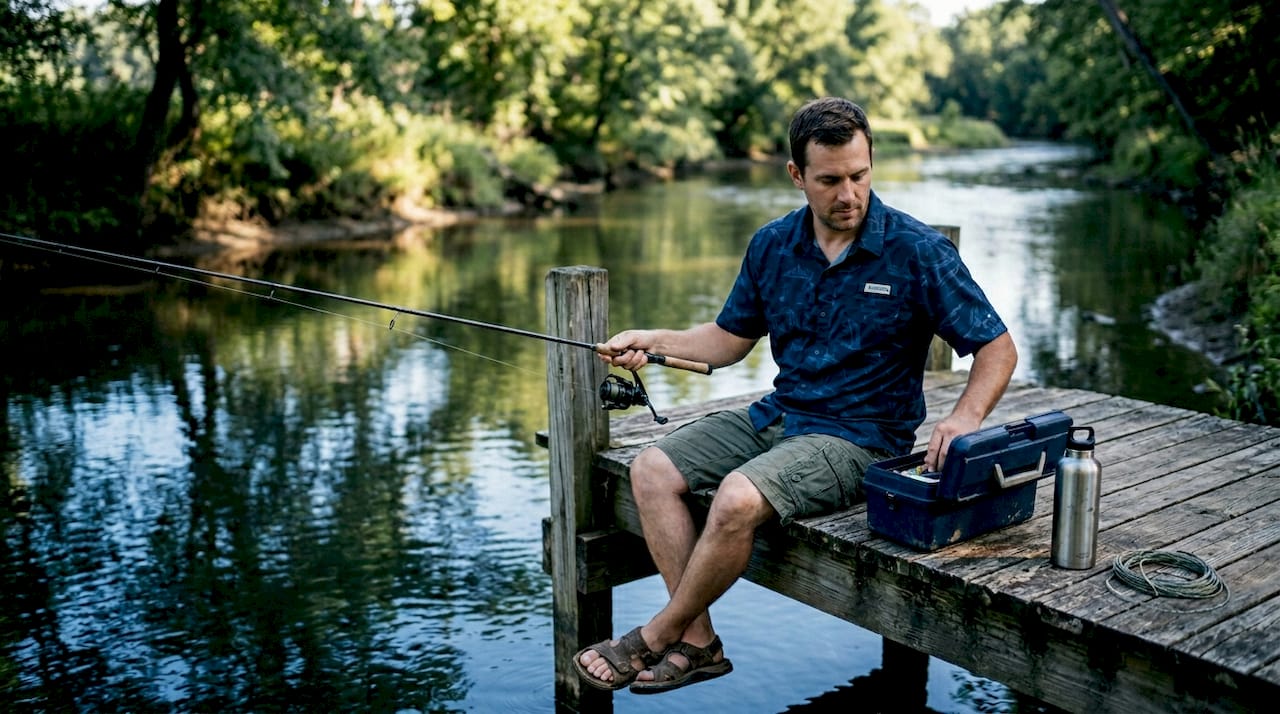
Freshwater fishing means targeting fish in rivers, lakes, streams, ponds, and reservoirs where salinity sits well below ocean levels. The fish, the gear, and the experience all differ sharply from saltwater angling. You are not fighting tides or salt corrosion. You are reading subtle current seams, watching a bobber twitch in still water, or feeling a bass hammer a jig along a submerged ledge.
The sport is genuinely accessible. Freshwater fishing often requires lighter gear and can be done from shore or a small boat, removing the expensive vessel requirements that make offshore fishing prohibitive for many people. That accessibility is a big part of why it draws such a massive following. US freshwater anglers catch between 2 and 6 billion fish every year, a number that puts the scale of the sport into real perspective.
Beyond recreation, freshwater fishing connects you to aquatic ecosystems in a way that few other outdoor activities do. You start noticing water temperature, insect hatches, seasonal patterns, and how weather shifts fish behavior. That awareness builds over time and turns a casual hobby into something genuinely engrossing.
Freshwater fishing techniques for beginners
Most people start freshwater fishing the same way: a basic rod, a hook, a bobber, and live bait. That setup works. But understanding a few core techniques from the start will get you catching fish much faster.
The foundational methods
The three most common approaches are bank fishing, boat fishing, and wading. Bank fishing requires zero equipment beyond a rod and is where most beginners start. You position yourself near cover, structure, or current and present your bait where fish are likely to hold. Boat fishing opens up deeper water and lets you cover more ground. Wading works best in rivers and streams, where you move with the current to reach pools and riffles that bank anglers cannot touch.
For technique, start with these approaches:
- Bait fishing with a bobber: Suspend live bait at a set depth. Watch for the bobber to dip or dart sideways before setting the hook.
- Bottom fishing with a sinker: Let your bait sit on or near the lake or river floor. This is highly effective for catfish and carp.
- Casting lures: Use artificial lures that mimic baitfish or insects. Retrieve at varying speeds until you find what triggers strikes.
- Jigging: A vertical technique where you lift and drop a weighted lure to imitate injured prey. Deadly on bass and walleye.
The drop shot rig
One technique worth learning early is the drop shot. The drop shot rig suspends bait above the weight, keeping it in the strike zone longer than almost any other presentation. It is especially effective in pressured water where fish have seen every standard lure. Tie your hook 12 to 18 inches above a drop shot weight, use a small soft plastic bait, and shake the rod tip gently to give the bait subtle movement without moving the weight. Bass find it nearly irresistible during spawn and post-spawn periods.
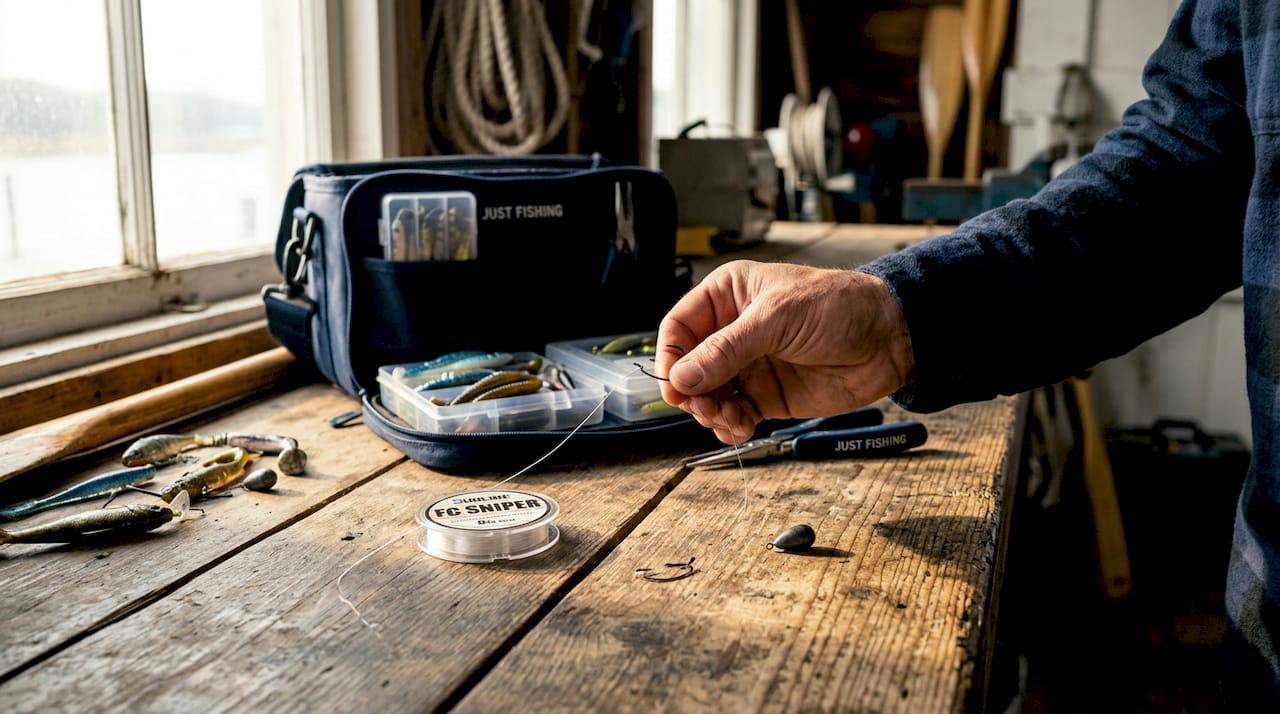
Pro Tip: When fishing clear water, downsize your line. Going from 10-pound monofilament to 6-pound fluorocarbon can double your strikes because fish in clear conditions are far more line-shy than anglers expect.
Popular types of freshwater fish
Anglers tend to fixate on game fish, and for good reason. They fight hard, taste good, and live in interesting places. But here is a perspective shift worth considering: game fish like bass and trout represent only about 5% of freshwater species. The other 95% are nongame fish that form the foundation of the food web. Understanding the broader ecosystem makes you a better angler.
That said, here are the fish most beginners and recreational anglers pursue:
- Largemouth bass: The most targeted freshwater game fish in North America. They prefer warm, weedy lakes and slow rivers. Bass ambush prey from cover and respond well to a huge variety of lures.
- Rainbow and brown trout: Cold, clear streams and tailwaters are their home. Trout are often caught on flies, small spinners, or worms, and they demand more precise presentation than bass.
- Channel catfish: Bottom dwellers that feed heavily at night. They are forgiving targets for beginners because they respond to simple bait like chicken liver or cut bait fished on the bottom.
- Crappie: A panfish species that schools heavily around brush piles and dock pilings in spring. Light jigs or minnows under a bobber are the classic approach.
- Bluegill and sunfish: Abundant, aggressive biters that are perfect for kids and new anglers. They will hit almost anything and put up a surprisingly spirited fight for their size.
Knowing where each species holds is just as important as the bait you use. Trout hug cold, oxygenated water near riffles. Bass sit tight to shade and structure. Catfish slide into deep holes during daylight. Match your location to the species and you will catch more fish.
Best freshwater fishing locations and conditions
Choosing the right water body is one of the biggest factors in how to catch freshwater fish consistently. Each type of water has its own advantages.
| Water type | Best for | Key advantage |
|---|---|---|
| Lakes | Bass, crappie, walleye | Large, varied structure and seasonal depth changes |
| Rivers | Trout, smallmouth bass, catfish | Current concentrates fish in predictable spots |
| Ponds | Panfish, bass | Small size makes fish locating simple and fast |
| Reservoirs | Striped bass, largemouth bass | Deep water with abundant structure and baitfish |
| Streams | Trout, brook trout | Cold, high-oxygen water holds quality fish year-round |
Within any water body, fish position based on three main factors: structure, current, and temperature. Structure means anything that breaks up the environment: fallen trees, rock piles, dock pilings, or weed edges. Fish use these spots for ambush and protection.
Bridges are particularly productive because the current creates eddies on the downstream side, and the shade pulls fish out of direct sunlight. Bass and panfish stack up in those slack-water pockets, making bridge fishing efficient and reliable. When you fish a bridge, cast into the current on one side and let your bait swing into the eddy. Fish are almost always waiting there.
Temperature matters more than most beginners realize. Bass become sluggish below 50°F and feed aggressively between 65°F and 75°F. Trout, on the other hand, prefer water in the 50°F to 60°F range. A simple water thermometer is one of the most underrated tools you can carry.
Pro Tip: Fish early morning or late evening during summer. Water temperatures drop, baitfish become active near the surface, and game fish follow. Midday summer fishing in shallow water is almost always slow regardless of what bait you use.
Essential freshwater fishing gear
Getting started does not require a massive investment. Freshwater setups use lighter gear than saltwater equivalents, and a functional beginner kit costs far less than most people assume.
Here is what you actually need:
- Rod: A medium-power, 6 to 7-foot spinning rod handles most freshwater situations. Look at quality options like the Blackfin Carbon Elite rods for a noticeable step up in sensitivity.
- Reel: A spinning reel sized 2500 to 3000 pairs well with most freshwater rods. Pre-spooled beginner combos are a practical starting point.
- Line: 6 to 10-pound monofilament or fluorocarbon covers the majority of freshwater applications. Fluorocarbon is nearly invisible in water, which helps in clear conditions.
- Hooks: Size 4 to 1/0 hooks work for most species. Carry a range.
- Bait and lures: Live bait like worms or minnows catches almost everything. For artificial options, the Savage Gear Gravity Minnow is a reliable producer across multiple freshwater species.
- Tackle bag: Keeping gear organized makes a real difference on the water. A purpose-built lure bag for organization prevents the frustrating tangle of loose gear.
One legal requirement you cannot skip: a fishing license. Resident licenses typically cost $20 to $65 annually, and fines for fishing without one start at $100 in most states. Check your local wildlife agency before you fish, even on private property in many jurisdictions.
Tips for successful outings and conservation
Gear and technique matter, but the habits you build around your fishing outings determine long-term success and sustainability.
- Plan your timing around fish activity. Spring and fall are generally peak freshwater fishing seasons. Fish are shallower, more active, and responding to temperature transitions that trigger feeding.
- Wet your hands before handling fish. Dry hands remove the protective slime coat that shields fish from bacteria and disease. This is the single most important catch-and-release detail most anglers ignore.
- Use barbless hooks when releasing fish. Barbless hooks with wet hands dramatically reduce handling time and stress on the fish, giving released fish a far better survival rate.
- Learn size and bag limits. Regulations exist to protect populations during spawning periods and prevent overharvest. Checking current regulations takes two minutes and keeps fisheries healthy.
- Pack out everything you bring in. Left-behind line, hooks, and packaging injure birds, turtles, and the fish you came to catch.
Conservation is not a burden on your fishing experience. It is what keeps the experience worth having ten years from now.
My take: what fishing actually teaches you
I have watched anglers spend thousands on gear while still struggling to catch fish, and I have watched kids with a cane pole and a worm out-fish them from the same bank. That gap is not about equipment. It is about observation.
What freshwater fishing actually teaches you, if you let it, is how to read a system. You start noticing which bank gets morning sun and warms first in spring. You notice that the bass move shallow after two days of cloudy skies. You realize the crappie have stacked on a brush pile 40 yards from where you were fishing all morning. None of that knowledge comes from gear catalogs.
In my experience, the biggest mistake beginners make is changing lures instead of changing location. Fish are either there or they are not. If you have not had a bite in 20 minutes, move. Cover water. The angler who moves every 20 minutes beats the one who perfects their presentation in fishless water every single time.
The other thing I would tell anyone starting out: do not skip the nongame fish. A big common carp in a river current fights harder than most bass you will ever hook. Gar are prehistoric and fascinating. Bowfin are aggressive and overlooked. The 95% of species anglers ignore hold genuine surprises.
— Alaa
Start your fishing journey with Justfishinggroup
If this guide has you ready to get on the water, Justfishinggroup has everything you need to make that happen. From quality rods and lures to fully guided fishing trips across some of the world’s best destinations, the platform is built for anglers at every level.
Browse the full fishing gear catalog to find rods, reels, lures, and tackle suited to freshwater fishing. If you want to take your experience further, check out the guided fishing trips available through Justfishinggroup, covering destinations from the Maldives to Kenya and beyond. Whether you are gearing up for your first outing or looking to refine your setup, Justfishinggroup connects you with the tools and experiences that matter.
FAQ
What is freshwater fishing, exactly?
Freshwater fishing is the practice of angling in inland water bodies where salinity is below 0.5 parts per thousand, including lakes, rivers, ponds, and streams. It is distinct from saltwater fishing in terms of species, gear, and technique.
Is freshwater fishing easy for beginners?
Yes. Freshwater fishing is one of the most beginner-friendly outdoor sports because it requires minimal gear, can be done from shore, and targets species that respond to simple bait like worms. Starting with panfish or catfish gives new anglers fast results.
What bait works best for freshwater fishing?
Live bait such as earthworms and minnows works across nearly all freshwater species. For artificial options, soft plastic lures, small spinners, and minnow-style lures like the Savage Gear Gravity Minnow are highly effective on bass, trout, and panfish.
What gear do I need to start freshwater fishing?
A medium-power spinning rod, a 2500-series spinning reel, 6 to 10-pound monofilament line, a selection of hooks, and some basic bait or lures is all you need. A fishing license is also legally required in almost every US state before you cast a line.
What are the best freshwater fishing locations?
Lakes, reservoirs, and rivers consistently produce the most fish for most anglers. Productive spots within any water body include submerged structure, bridge pilings, current eddies, weed edges, and depth transitions where shallow water drops into deeper zones.