


Top types of fishing trips for every angler in 2026
Choosing the right fishing trip can feel overwhelming with so many styles, destinations, and target species available. Whether you’re a beginner eager to cast your first line or an experienced angler seeking a new challenge, understanding the main types of fishing trips helps you match your skills and interests to the perfect adventure. This guide breaks down popular fishing trip options worldwide, compares their unique features, and provides practical advice to help you book confidently and fish successfully.
Table of Contents
- Key takeaways
- How to choose the right fishing trip for you
- Top types of fishing trips explained
- Comparing fishing trip types: pros, cons, and ideal anglers
- Where to book your fishing adventure and what to expect
- Discover your perfect fishing trip with Just Fishing
- FAQ
Key Takeaways
| Point | Details |
|---|---|
| Assess goals and skill | Identify your fishing goals and your experience level to choose a compatible trip style. |
| Match species and environment | Consider the target species and the water setting to guide trip selection. |
| Evaluate gear and effort | Check what gear is included and what you must bring to handle the physical demands. |
| Plan for season and weather | Account for seasonality and weather to pick the right timing and conditions. |
| Start with guided freshwater trips | Begin with guided freshwater trips to build confidence before trying offshore adventures. |
How to choose the right fishing trip for you
Before diving into specific trip types, assess your personal fishing goals and capabilities. Start by identifying your skill level and preferred fishing style. Are you comfortable with physical activities like offshore boating, or do you prefer calm river environments? Your experience with different tackle and techniques will guide which trips suit you best.
Next, consider the target species and environment you find most exciting. Some anglers dream of battling marlin in open ocean, while others seek the tranquility of casting for trout in mountain streams. Research which fish inhabit your preferred waters and when they’re most active. Fishing trips vary widely in methods, locations, required gear, and target species, making pre-trip planning essential for success.
Evaluate the necessary equipment and physical demands of each trip type. Deep sea fishing requires stamina for long boat rides and fighting large fish, while fly fishing demands precise casting technique and patience. Some trips provide all gear, while others expect you to bring your own. Check what’s included and whether you need specialized equipment like waders, ice augers, or kayaks.
Account for seasonal timing and weather conditions when planning your adventure. Fish behavior changes dramatically with water temperature, spawning cycles, and food availability. Ice fishing obviously requires frozen lakes, while certain saltwater species migrate seasonally. Weather affects safety and comfort, so research typical conditions for your chosen destination and time of year.
Pro Tip: Match your first fishing trip to your comfort zone, then gradually challenge yourself with more demanding styles as your skills grow. Starting with guided freshwater trips builds confidence before tackling offshore adventures.
Key factors to evaluate:
- Your physical fitness level and tolerance for boat motion or cold weather
- Budget for trip costs, travel, lodging, and potential gear purchases
- Time available for the trip, including travel days and fishing duration
- Companions joining you and their experience levels
- Desired level of challenge versus relaxation
Top types of fishing trips explained
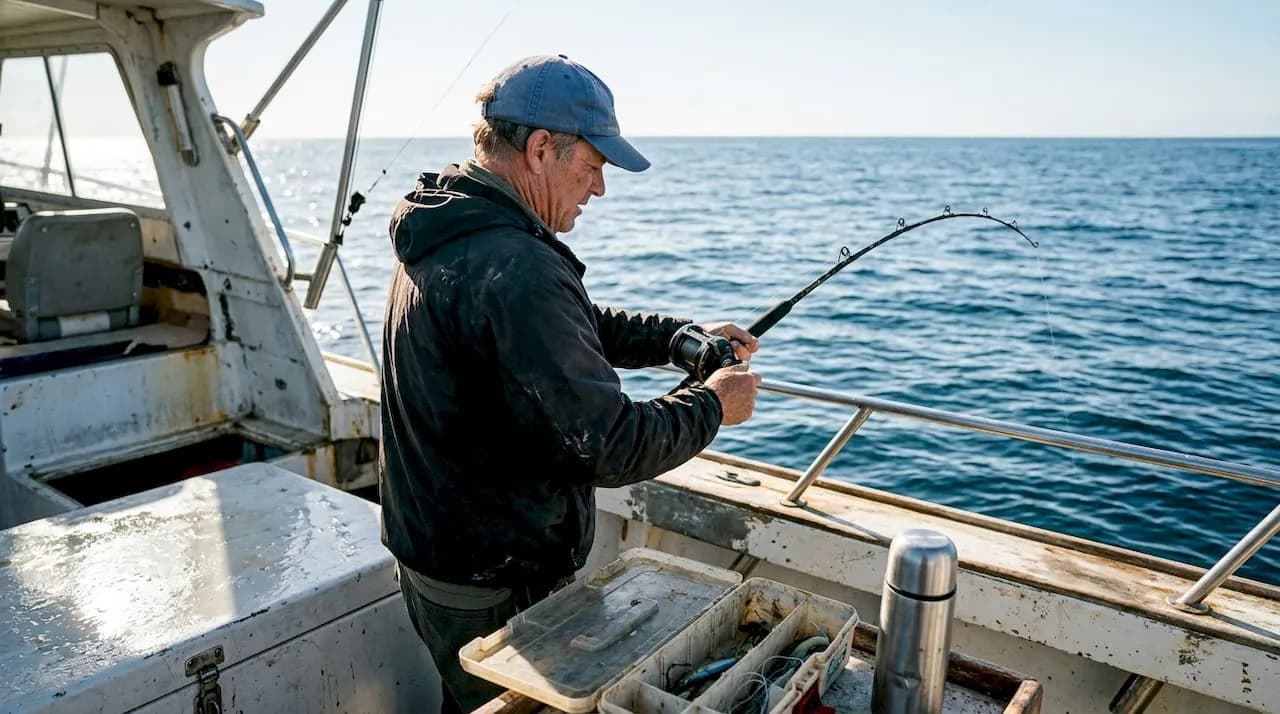
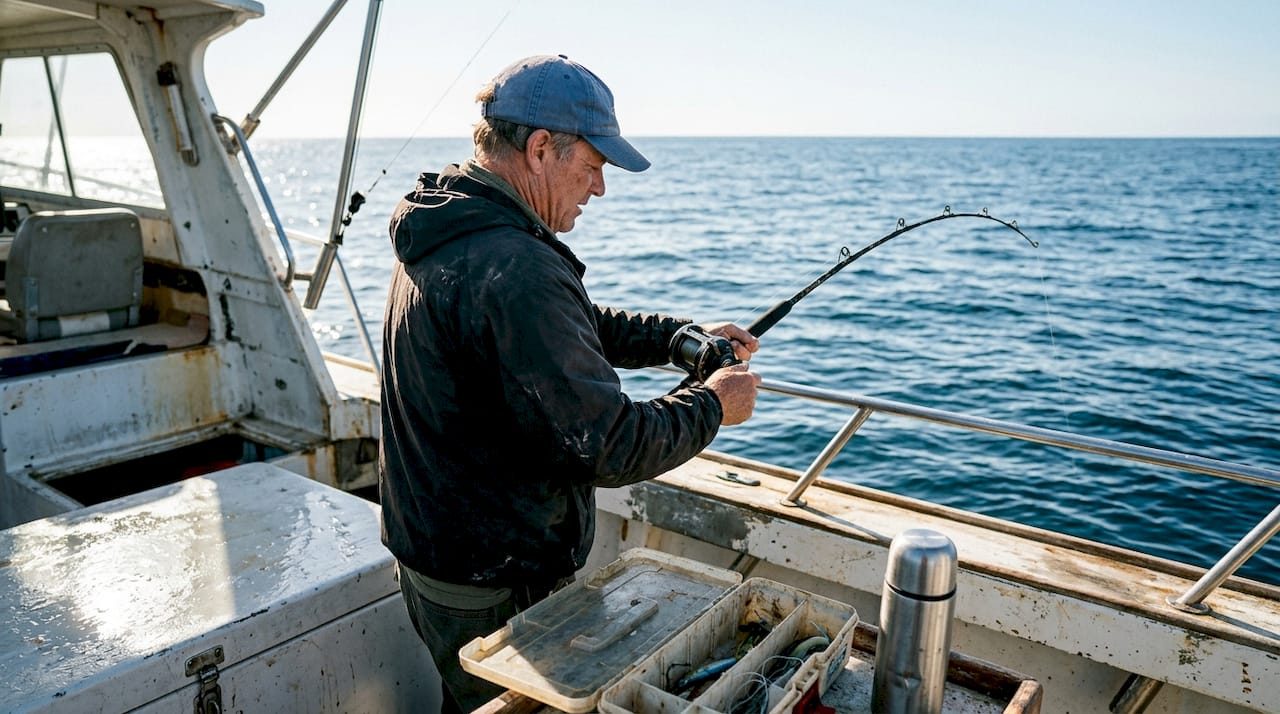
Deep sea fishing takes anglers far offshore to pursue large saltwater species like tuna, marlin, sailfish, and mahi-mahi. Charter boats equipped with heavy tackle, electronics, and experienced crews navigate open ocean waters where these powerful fish roam. Trips typically last half or full days, with some multi-day excursions targeting remote fishing grounds. The thrill of hooking a massive fish combined with ocean scenery makes deep sea fishing a bucket list experience for many anglers.
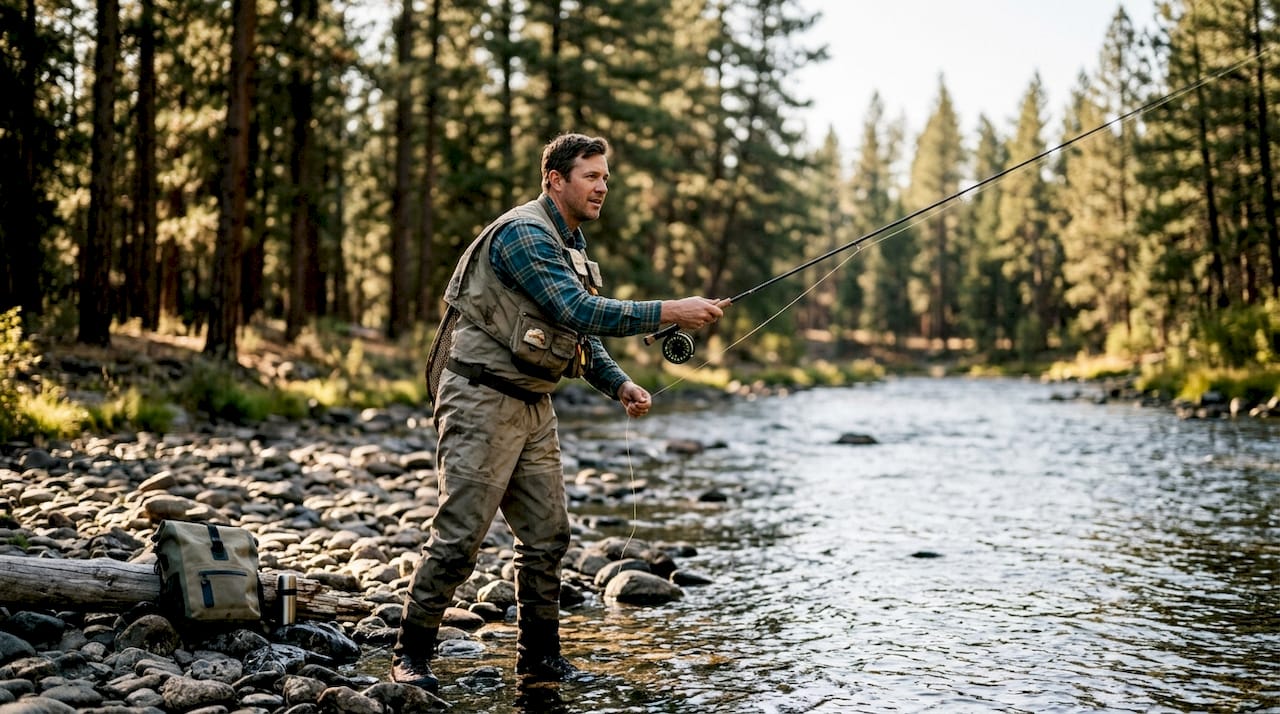
Fly fishing uses lightweight artificial flies cast with specialized rods and reels, primarily in freshwater streams, rivers, and lakes. This elegant technique targets trout, salmon, bass, and panfish by presenting delicate imitations of insects and baitfish. Fly fishing emphasizes skill, finesse, and reading water conditions. Many trips take place in scenic mountain or wilderness settings, offering both fishing challenge and natural beauty. Guided trips teach casting techniques and local fly patterns.
Ice fishing transforms frozen lakes into winter fishing platforms where anglers drill holes and drop lines for species like perch, walleye, pike, and crappie. Portable shelters provide warmth while specialized ice rods and electronics help locate fish beneath thick ice. This unique cold-weather pursuit combines outdoor adventure with social camaraderie around heated ice houses. Ice fishing trips often include equipment rental and guide services for beginners.
Freshwater river fishing encompasses diverse environments from small creeks to major river systems, targeting species including bass, catfish, trout, and pike. Techniques range from simple bobber rigs to advanced lure presentations depending on target species and water conditions. River trips offer scenic variety and accessible fishing close to many population centers. Wade fishing, bank fishing, and drift boat trips each provide different perspectives on river angling.
Kayak fishing combines paddling with angling, offering quiet access to shallow waters, coastlines, and remote spots inaccessible to larger boats. Modern fishing kayaks feature rod holders, storage, and stability for standing casts. This versatile method works in freshwater lakes, rivers, and saltwater bays, targeting virtually any species. Kayak trips appeal to budget-conscious anglers and those seeking intimate connection with water environments.
Popular fishing trip types continue evolving with new techniques and destinations emerging regularly. Common options include deep sea, fly fishing, ice fishing, freshwater river fishing, and kayak fishing, each offering distinct experiences that cater to different angler preferences and skill levels.
Comparing fishing trip types: pros, cons, and ideal anglers
Each fishing trip style presents unique advantages and challenges that appeal to different angler profiles. Understanding these trade-offs helps you select trips that match your priorities, whether you value convenience, adventure, species diversity, or cost effectiveness.
| Trip Type | Best For | Gear Complexity | Physical Demand | Typical Cost |
|---|---|---|---|---|
| Deep Sea | Large game fish, ocean adventure | High (usually provided) | Moderate to high | $$$ |
| Fly Fishing | Technique mastery, scenic waters | Moderate (specialized) | Low to moderate | $$ |
| Ice Fishing | Winter sport, social experience | Moderate (rentals available) | Low | $ to $$ |
| Freshwater River | Variety, accessibility | Low to moderate | Low | $ to $$ |
| Kayak Fishing | Exploration, budget friendly | Moderate (own kayak helpful) | Moderate | $ |
Deep sea fishing pros and cons:
- Opportunity to catch trophy-sized fish and multiple species
- Professional crew handles navigation, safety, and fish finding
- Higher cost and potential for seasickness
- Weather dependent with possible trip cancellations
Fly fishing pros and cons:
- Rewarding skill development and artistic casting techniques
- Access to pristine wilderness and beautiful scenery
- Steeper learning curve for beginners
- Gear investment can be significant
Ice fishing pros and cons:
- Unique winter outdoor experience with heated shelters available
- Social atmosphere and family-friendly activities
- Cold weather exposure requires proper clothing
- Limited to regions with sustained freezing temperatures
Freshwater river fishing pros and cons:
- Wide variety of techniques and target species
- Often close to home with easy access points
- Water levels and clarity fluctuate with weather
- Crowded popular spots during peak seasons
Kayak fishing pros and cons:
- Quiet approach and access to shallow or restricted waters
- Lower cost compared to motorized boats
- Physical paddling required and limited gear capacity
- Weather and water conditions affect safety
Pro Tip: Consider hybrid trips that combine multiple styles, like fly fishing from a kayak or ice fishing followed by lodge accommodations, to maximize variety and comfort.
Fishing trip comparisons help anglers weigh convenience, target species, skill requirements, and cost when planning their next adventure. Matching trip characteristics to your personal preferences ensures satisfaction and success on the water.
Where to book your fishing adventure and what to expect
Booking the right fishing trip requires research and attention to detail. Follow these steps to ensure a smooth, enjoyable experience:
Research and select licensed charter operators or professional guides with strong reputations. Check online reviews, verify credentials, and ask for references from past clients. Experienced guides know local waters, fish behavior, and safety protocols.
Review what’s included in your trip package. Most charters provide rods, reels, tackle, and bait, but confirm these details before booking. Ask about fishing licenses, whether they’re included or if you need to purchase separately. Clarify if meals, beverages, and transportation are part of the package.
Understand cancellation policies and weather contingencies. Fishing trips depend on safe conditions, so know your options if weather forces rescheduling. Travel insurance may protect your investment for distant destinations.
Plan for appropriate clothing and personal items. Bring sunscreen, polarized sunglasses, rain gear, and layers for changing conditions. Some trips require specific footwear or safety equipment.
Communicate your skill level and expectations honestly. Good guides tailor the experience to your abilities and goals, whether you want instruction, maximum fish numbers, or trophy hunting.
Follow all local regulations regarding catch limits, protected species, and fishing methods. Responsible angling preserves fisheries for future generations.
Prepare physically for the trip demands. Offshore fishing requires sea legs and stamina, while wading rivers needs sure footing. Arrive rested and ready.
Booking reputable fishing trips with experienced guides improves success rates and overall enjoyment by providing local expertise and quality equipment. Professional operators prioritize safety, fish conservation, and customer satisfaction.
What to expect on your fishing adventure varies by trip type, but common elements include pre-trip briefings on techniques and safety, hands-on instruction as needed, and assistance with landing and handling fish. Many guides photograph your catches and provide fish cleaning services. Respect your guide’s knowledge, ask questions, and stay flexible as conditions change throughout the day.
Fishing trip booking tips emphasize planning ahead for popular destinations and peak seasons, when availability fills quickly and prices may be higher. Off-season trips often offer better rates and less crowded waters.
Discover your perfect fishing trip with Just Fishing
Ready to turn your fishing dreams into reality? Just Fishing offers expert-curated fishing trips worldwide, connecting you with professional guides and premier destinations across the Maldives, UAE, Kenya, Seychelles, Egypt, Socotra, Oman, and Morocco. Whether you’re pursuing deep sea giants, mastering fly fishing techniques, or exploring new waters, our platform simplifies trip discovery and booking.
Beyond unforgettable fishing adventures, browse our premium fishing gear selection featuring quality rods, reels, lures, apparel, and accessories for every fishing style. Our team provides personalized recommendations to match your trip type and target species. Benefit from professional guidance, transparent pricing, and excellent customer service that supports your fishing journey from planning through your triumphant return. Visit Just Fishing today to explore trip options, read detailed destination guides, and start planning your next angling adventure.
FAQ
What are the most common types of fishing trips?
The most common types include deep sea fishing for large saltwater species, fly fishing in freshwater streams and rivers, ice fishing on frozen lakes during winter, freshwater river fishing for diverse species, and kayak fishing in lakes and coastal waters. Each type offers unique experiences suitable for various skill levels, from beginners to expert anglers. Your choice depends on target species, preferred environment, and physical capabilities.
How do I prepare for a deep sea fishing trip?
Prepare by checking weather forecasts and sea conditions before departure, as offshore trips require safe seas. Pack appropriate clothing including layers, rain gear, non-slip shoes, sunscreen, and seasickness medication if needed. Confirm your charter includes all necessary gear, valid fishing licenses, and safety equipment like life jackets. Arrive well-rested, hydrated, and ready to follow your captain’s instructions for the best fishing experience. Book deep sea trip preparation services with experienced operators who prioritize safety and success.
What gear is essential for fly fishing?
Essential fly fishing gear includes a fly rod matched to your target species and water type, a corresponding fly reel with appropriate line, and a selection of artificial flies that imitate local insects and baitfish. Waders or hip boots keep you dry when fishing streams, while polarized sunglasses reduce glare and help you spot fish. Additional items include leaders, tippet material, nippers, forceps, and a vest or pack to organize tackle. Quality fly fishing gear enhances your casting accuracy and overall enjoyment on the water.
Can beginners enjoy fishing trips or do you need experience?
Beginners absolutely can enjoy fishing trips, especially guided experiences designed for newcomers. Professional guides provide instruction on casting, bait presentation, and fish handling while supplying all necessary equipment. Start with accessible trip types like freshwater river fishing or guided kayak outings that offer manageable learning curves. Communicate your experience level when booking so guides can tailor instruction and set realistic expectations. Many anglers discover their passion through beginner-friendly trips that build confidence and skills progressively.
When is the best time of year for different fishing trips?
Best timing varies by trip type and location. Deep sea fishing peaks during warmer months when game fish migrate to feeding grounds, though some destinations offer year-round opportunities. Fly fishing for trout excels in spring and fall when water temperatures and insect hatches align. Ice fishing requires winter’s frozen lakes, typically December through March in northern regions. Freshwater river fishing succeeds across seasons, with spring and fall often most productive. Research your target species’ seasonal patterns and local climate to optimize your trip timing for the best fishing conditions and catch rates.