Top Examples of Game Fish for Anglers in 2026
July 22, 2026, 1
Top Examples of Game Fish for Anglers in 2026
TL;DR:
- Game fish are species targeted for sport fishing due to their fighting ability and culinary value. Regulations protect these species by imposing seasons, size limits, and quotas to ensure sustainable populations.
Game fish are species targeted for recreational sport fishing, regulated by wildlife agencies through seasons, size limits, and possession quotas to protect long-term populations. The most recognized examples of game fish include Rainbow Trout, Largemouth Bass, Striped Bass, Blue Marlin, and Chinook Salmon. These species share three defining traits: strong fighting ability, culinary value, and enough recreational demand to justify formal management. Understanding the difference between freshwater and saltwater game fish helps you plan smarter trips, pick the right gear, and fish within the law.
1. What are the best examples of game fish species?
Game fish are legal regulatory categories, not biological classifications. A species earns game fish status when it generates enough recreational demand for agencies to impose formal rules. Nevada alone classifies over 12 coldwater and 18 warmwater species as regulated game fish under its 2026 rules. That breadth shows just how wide the category runs, from tiny panfish to trophy billfish.
The species covered below represent the most targeted game fish across North America and beyond. Each one appears on this list because anglers actively pursue it, agencies actively manage it, and the fishing experience it delivers is worth planning a trip around.
2. Rainbow Trout
Rainbow Trout ranks among the top five North American sport fish by angler participation. It earns that status through a combination of strong fighting resistance and excellent table quality. Trout are coldwater fish, thriving in clear, oxygen-rich rivers and mountain lakes. Fly fishing with dry flies or nymphs is the classic method, though spinning gear with small spinners and spoons works just as well.
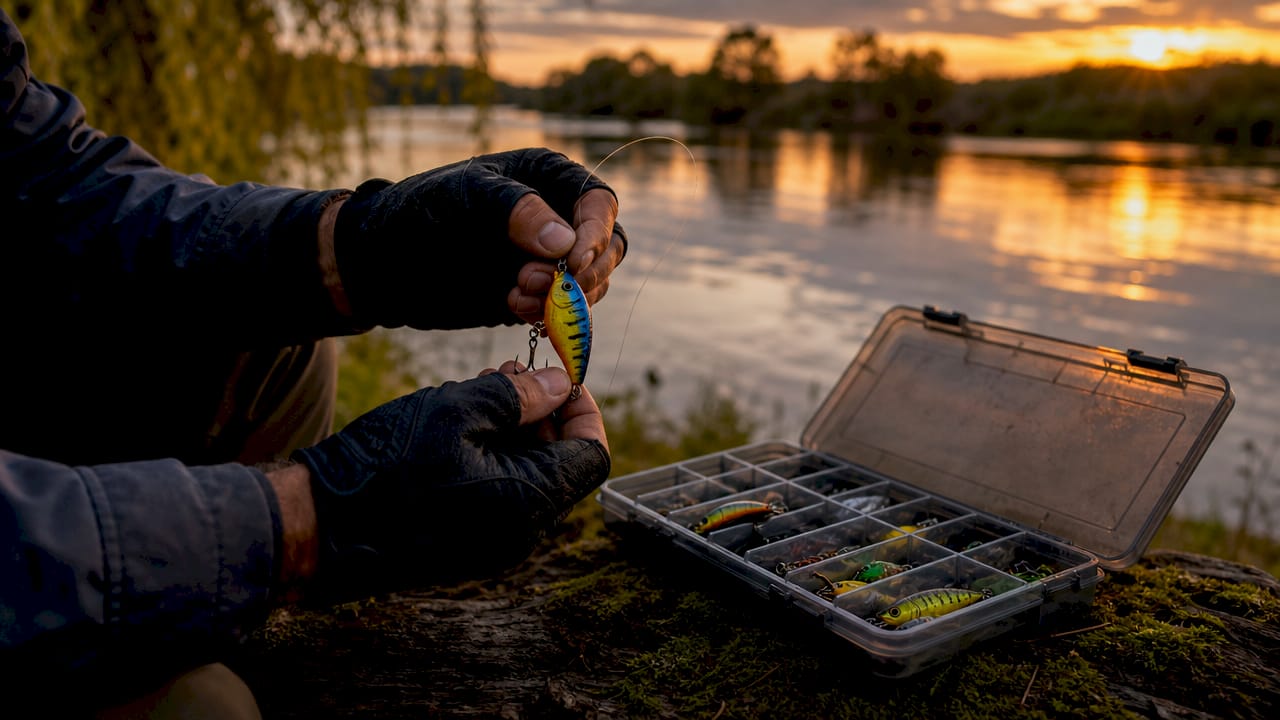
Pro Tip: Target Rainbow Trout in early morning or late evening when water temperatures drop and feeding activity peaks. In summer, move to deeper, cooler pools where trout hold during midday heat.
3. Chinook Salmon
Chinook Salmon is the largest Pacific salmon species and one of the most prized game fish in Alaska and the Pacific Northwest. Its size alone sets it apart. Chinook regularly exceed 30 pounds, and trophy fish push past 50 pounds. The fight is powerful and sustained, making it a bucket-list species for serious anglers. Trolling with herring or large spoons is the standard approach in open water, while drift fishing with roe works well in rivers during spawning runs.
The ecological value of Chinook Salmon extends beyond sport fishing. These fish feed bears, eagles, and entire river ecosystems. Regulations shift year to year based on population assessments, so checking current rules before booking a trip is non-negotiable.
4. Largemouth Bass
Largemouth Bass is the most widely targeted warmwater game fish in the United States. It tolerates a broad range of water conditions, from clear reservoirs to murky ponds, which makes it accessible to anglers almost everywhere. Bass respond aggressively to surface lures, plastic worms, and crankbaits, giving anglers a wide range of techniques to master. The explosive strike and aerial jumps make every hookup memorable.
Bass tournaments have turned this species into a professional sport with serious prize money. That competitive culture has also driven significant conservation awareness, with catch-and-release now standard practice at most organized events.
5. Northern Pike
Northern Pike is the apex predator of North American and European freshwater systems. Pike grow large, strike hard, and fight dirty, making them one of the most exciting warmwater game fish to target. Large swimbaits, spinnerbaits, and live baitfish all produce results. Pike hold near weed edges and ambush prey, so casting tight to structure is the most productive approach.
Pike have sharp teeth that cut through light monofilament easily. A wire or heavy fluorocarbon leader is not optional when targeting this species.
6. Bluegill and Crappie
Panfish like Bluegill and Crappie are official game fish in most U.S. states, a fact many anglers overlook. In Texas, the daily bag limit for Bluegill is 25 fish per angler, confirming their regulated status. These species are ideal for beginners because they bite readily, fight well for their size, and taste excellent. Small jigs, worms, and crickets under a bobber are all you need to get started.
Crappie, in particular, attract dedicated followers who fish for them year-round. Spring spawning periods push Crappie into shallow water near brush piles, making them easy to locate and highly catchable.
7. Striped Bass
Striped Bass is one of the most important saltwater game fish on the U.S. East Coast. Stocks in the Long Island Sound area are actively monitored, with some species populations sitting above historic averages as of early 2026. Striped Bass migrate seasonally, following bait schools from the Chesapeake Bay north to New England each spring. Surf casting, trolling, and jigging all produce fish depending on conditions and location.
Slot limits for Striped Bass are now common management tools designed to protect the largest, most reproductively valuable fish. Knowing the current slot before you fish is both a legal requirement and a conservation responsibility.
Pro Tip: During fall migrations, Striped Bass feed aggressively on bunker schools near the surface. Topwater plugs and large big game jigs produce some of the most exciting strikes of the year.
8. Blue Marlin
Blue Marlin represents the pinnacle of offshore saltwater game fishing. These fish can exceed 1,000 pounds and make runs that strip hundreds of yards of line in seconds. Trolling with rigged ballyhoo, large skirted lures, or heavy ocean lures is the standard approach. Marlin fishing requires a capable boat, quality tackle, and an experienced crew.
Blue Marlin are almost universally released after capture today. The International Game Fish Association (IGFA) promotes catch-and-release for billfish, and most serious marlin anglers follow that standard without question.
9. Summer Flounder and Black Sea Bass
Summer Flounder and Black Sea Bass are two of the most popular nearshore saltwater game fish along the Atlantic coast. Both species are managed under federal and state regulations that set size limits and bag limits each season. Flounder lie flat on sandy or muddy bottoms and ambush prey, so drifting bucktail jigs or live spot along the bottom is the most effective technique. Black Sea Bass hold around structure like reefs, wrecks, and rock piles, responding well to squid and cut bait.
These species offer excellent table fare, which drives their popularity beyond pure sport. Many anglers specifically target them for the dinner plate as much as the fight.
10. Bonefish
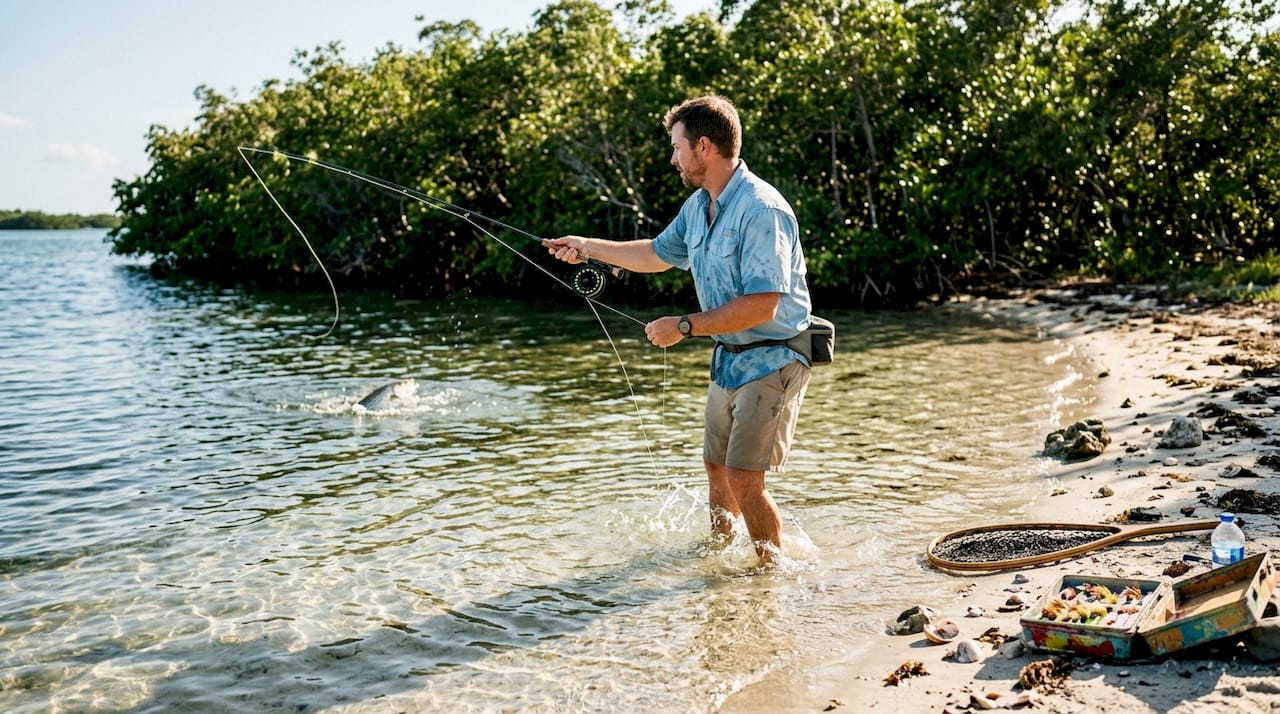
Bonefish is the premier saltwater flats game fish worldwide. It does not grow large, typically running 3–8 pounds, but its speed on the flat is extraordinary. A hooked Bonefish makes a blistering first run that tests both tackle and angler composure. The Bahamas, Florida Keys, and destinations like the Maldives are top Bonefish destinations. Sight fishing with small crab or shrimp flies on a fly rod is the most respected method.
Bonefish are almost always released. Their value to local fishing economies as a catch-and-release species far exceeds any value as table fare.
What makes a fish a game fish? Criteria and classifications
Game fish status is a legal designation that varies by state and country, not a fixed biological category. Three factors consistently drive classification: fighting ability, culinary value, and recreational demand. A species that fights hard, tastes good, and attracts enough anglers to create management pressure will almost always earn game fish status.
Thermal preference also shapes classification. Coldwater species like trout and salmon require cool, oxygen-rich water and are managed differently from warmwater species like bass and catfish, which tolerate a wider range of conditions. This distinction affects where you fish, what gear you use, and which seasons apply.
Game fish designations enable agencies to implement targeted conservation programs including catch-and-release requirements and seasonal closures. Without that legal framework, popular species would face unregulated harvest pressure that could collapse populations within a generation.
| Feature | Coldwater game fish | Warmwater game fish |
|---|---|---|
| Examples | Rainbow Trout, Chinook Salmon | Largemouth Bass, Catfish, Bluegill |
| Preferred habitat | Cold, oxygen-rich rivers and lakes | Ponds, reservoirs, slow rivers |
| Primary techniques | Fly fishing, drift fishing, trolling | Casting lures, live bait, jigging |
| Season sensitivity | High (narrow temperature window) | Moderate (broader tolerance) |
| Conservation tools | Slot limits, seasonal closures | Bag limits, size minimums |
Freshwater vs. saltwater game fish: key differences
The core difference between freshwater and saltwater game fish is scale. Saltwater species generally grow larger, fight harder over longer distances, and require heavier tackle. A Largemouth Bass fight lasts seconds to minutes. A Blue Marlin fight can last hours. That difference demands completely different gear, boats, and physical preparation.
Fishing techniques also diverge sharply. Freshwater anglers rely heavily on casting accuracy and lure presentation in confined spaces. Saltwater anglers often troll open water, covering miles to locate fish. For nearshore saltwater species, a sportfishing boat suited to the conditions makes a measurable difference in both access and safety.
Regulations are more complex in saltwater because many species cross state and federal jurisdictions. Striped Bass, for example, are managed jointly by multiple states and the Atlantic States Marine Fisheries Commission. Freshwater regulations are typically set at the state level and are easier to track through a single agency.
Pro Tip: When targeting saltwater species from a boat, match your jig weight and profile to the baitfish present. A torpedo-style jig that mimics local forage consistently outperforms generic presentations.
Key Takeaways
The most effective approach to game fish is knowing which species you are targeting, understanding its thermal preferences, and fishing within current regulations to protect long-term populations.
| Point | Details |
|---|---|
| Game fish are legal categories | Classification varies by state and country, not by biology or size alone. |
| Coldwater vs. warmwater matters | Thermal preference determines habitat, season, and the right fishing technique. |
| Panfish count as game fish | Bluegill and Crappie carry regulated bag limits and deserve the same respect as trophy species. |
| Saltwater regulations are complex | Species like Striped Bass are managed across multiple jurisdictions with slot limits and seasonal rules. |
| Conservation drives classification | Catch-and-release standards and seasonal closures protect the species that make sport fishing worth doing. |
Why I think most anglers overlook the best game fish on the water
Most anglers chase the same five species their whole lives. I understand the pull. Largemouth Bass and Rainbow Trout are genuinely great fish. But the anglers I have seen grow the fastest are the ones who deliberately target something unfamiliar each season.
Bonefish changed how I think about fishing entirely. Nothing in freshwater prepares you for that first flat-out run across a tidal flat. It rewired my sense of what a “good” fish means. The same thing happened the first time I targeted Crappie seriously. A species I had dismissed as a kid turned out to be one of the most technically satisfying fish to locate and catch in cold water.
The value and status of game fish species shift with ecological conditions and fishing pressure. Regulations that applied last year may not apply this season. Anglers who stay current with their state’s Department of Natural Resources rules are not just being responsible. They are protecting the fishing they love. Checking regulations before every trip takes five minutes and costs nothing.
My honest advice: pick one species you have never seriously targeted, learn its habitat and feeding behavior, and dedicate a full season to it. You will become a better angler across every species you fish.
— Alaa
Plan your next game fish adventure with Justfishinggroup
Justfishinggroup connects anglers with guided fishing trips and quality gear across some of the world’s top game fish destinations, including the Maldives, UAE, Seychelles, Kenya, and Oman.
Whether you are chasing Bonefish on tropical flats or targeting offshore billfish, Justfishinggroup’s fishing trips platform covers destinations and booking for both saltwater and freshwater experiences. The online shop stocks rods, jigs, lures, and terminal tackle matched to the species and conditions you will actually face. If you are planning a trip or upgrading your kit, browse the full gear selection to find what you need before you hit the water. You can also explore curated sea fishing experiences in Phuket for a different kind of tropical game fish adventure.
FAQ
What are examples of popular game fish species?
Popular game fish include Rainbow Trout, Largemouth Bass, Chinook Salmon, Striped Bass, Blue Marlin, Bonefish, and Bluegill. These species are targeted for their fighting ability, culinary value, and recreational demand.
What is the difference between coldwater and warmwater game fish?
Coldwater game fish like trout and salmon require cool, oxygen-rich water, while warmwater species like bass and catfish tolerate a broader range of temperatures and conditions. This thermal preference determines where and when you can target each species.
Are panfish like Bluegill considered game fish?
Yes. Bluegill and Crappie are regulated game fish in most U.S. states, with daily bag limits in place to sustain populations. In Texas, the Bluegill bag limit is 25 fish per angler per day.
How do regulations affect game fish fishing?
Game fish regulations set seasons, size limits, bag limits, and sometimes slot limits to protect fish populations. These rules vary by state and jurisdiction, so anglers should check with their local wildlife agency before each trip.
Why is catch-and-release important for saltwater game fish?
Species like Striped Bass and Blue Marlin face significant fishing pressure, and catch-and-release practices help rebuild and sustain populations. Slot limits and seasonal closures, as used in the Long Island Sound fishery management program, are direct results of that conservation need.
Recommended
Customer Reviews
Rate this blog
Rating Breakdown
Categories
Popular Tags