


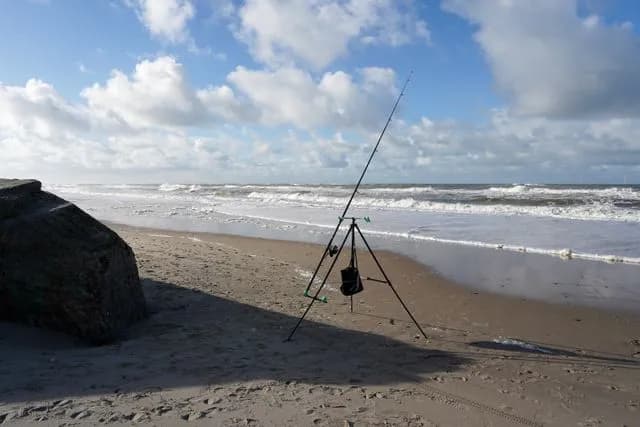
Surfcasting is defined as casting bait or a lure from the shoreline directly into breaking surf to target fish feeding near the beach. The standard industry term is “surf fishing,” and the two are used interchangeably by experienced anglers. The best tips for surfcasting trips center on three factors: reading the surf correctly, matching your gear to the conditions, and timing your session around the tide. Get those three right, and your catch rate climbs fast. Justfishinggroup covers all three with gear, guided trips, and field-tested advice built for anglers who want real results, not theory.
1. Tips for surfcasting trips: start with the right gear setup
The correct gear setup is the foundation of every productive surf fishing session. A standard beginner surf fishing setup includes a 9–12 ft rod, a 4000–8000 saltwater spinning reel, and braided 20–40 lb line, with starter kits typically ranging from $90 to $250. That range gives you real options without forcing you to overspend before you know what conditions you’ll face most often.
Rod length matters because longer rods generate more casting leverage and keep your line above the breaking waves. A 10 ft or 11 ft rod is the most practical choice for most beach environments. Pair it with a saltwater spinning reel that has sealed bearings and a corrosion-resistant body. Salt destroys unprotected metal fast, so sealed internals are not optional.
For line, braided mainline paired with a monofilament or fluorocarbon shock leader is the standard surf fishing setup. Braid gives you sensitivity and distance. The shock leader absorbs the stress of the cast and protects against abrasion on rocks and shells near the waterline.
Pro Tip: Pack a saltwater neutralizer spray in your kit bag and apply it to your reel after every session. It neutralizes salt residue before corrosion starts.
2. Match your sinker weight to the surf conditions
Sinker weight selection is one of the most overlooked decisions in surf fishing, and getting it wrong costs you fish. Use 1–2 oz for calm surf, 3–4 oz for moderate conditions, and 5–8 oz for heavy surf to hold your rig in position. A sinker that drags across the bottom in a strong current pulls your bait out of the strike zone entirely.
Sputnik sinkers, which have wire arms that grip the sand, are the best choice for heavy currents and rough surf. Standard pyramid sinkers work well on flat sandy bottoms in moderate conditions. Matching sinker type to the bottom structure and current strength is as important as matching the weight.
3. Master casting accuracy before chasing distance
Most fish are caught within 60–70 meters of shore. That single fact changes how you should approach every cast. Overcasting wastes energy, pulls your rig past the productive zone, and reduces your catch rate. Controlled, accurate casts into the right structure beat maximum-distance attempts every time.
Accuracy comes from a smooth, repeatable casting stroke, not from forcing power. Practice your casting motion on dry land before your trip. Focus on releasing at the same point in each stroke and landing your rig in the same target zone repeatedly. That consistency is what puts bait in front of feeding fish.
Pro Tip: Mark your line at 60 meters with a small piece of bright tape. Use it as a reference point during your session to keep casts in the productive zone.
Mastering casting accuracy and reading the surf structure are more productive than purely increasing cast distance. Anglers who focus on placement consistently out-fish those who chase maximum range.
4. Read the surf structure before you cast
Surf topography tells you exactly where fish are holding. Sandbars create breaking waves on their crests and deeper troughs on their shoreward side. Fish sit in those troughs waiting for bait to wash through. Cuts and rips are channels where water drains back through a sandbar, concentrating baitfish and drawing predators.
Rocky points and jetties create current breaks that attract fish year-round. Tidal inlets funnel baitfish in and out with every tide cycle, making them reliable feeding spots. Identifying these structures before you cast is the single biggest skill gap between beginners and experienced surf anglers.
Walk the beach at low tide before your session. You will see the sandbars, cuts, and troughs clearly when the water is shallow. Map those features mentally, then return at high tide and cast directly into them. This low-tide reconnaissance technique is used by experienced surf anglers worldwide and consistently produces results.
5. Time your sessions around the tide
The most productive surfcasting window is the 2 hours before and after high tide. Fish move into shallow water to feed as the tide rises, and they stay active through the top of the tide before dropping back. Dawn and dusk sessions during this tidal window compound the advantage because low light reduces fish wariness.
Tide charts are free and available through apps like Tides Near Me and Magic Seaweed. Check the chart before every trip and plan your arrival so you are rigged and ready 30 minutes before the incoming tide starts pushing. Arriving late to a tide window is one of the most common mistakes recreational anglers make.
Low tide is not wasted time. Use it to walk the beach, identify structure, and plan your high-tide casting positions. That preparation directly improves your results when the fish arrive.
6. Choose the right bait and rig for the conditions
Bait selection depends on the species you are targeting and the conditions on the day. Fresh cut bait such as squid, mullet, and pilchard works reliably across most surf environments. Live bait outperforms cut bait when the surf is calm and fish are selective. Lures like surf-specific minnows and weighted jigs work best when fish are actively feeding near the surface.
A running sinker rig is the most versatile setup for surf fishing. It lets the fish take the bait without feeling resistance from the sinker, which reduces drop-offs. A paternoster rig, which suspends two hooks above the sinker, works well when you want to cover different depths in the water column simultaneously.
Match your hook size to your bait and target species. Oversized hooks reduce bites. A size 1/0 to 4/0 hook covers most surf fishing scenarios for medium to large species.
7. Maintain your gear after every session
Salt is the primary cause of gear failure in surfcasting. The combination of abrasive sand and saltwater paste corrodes reel internals faster than casting stress or fish size. Rinsing your gear after every session is not optional. It is the single maintenance habit that extends gear life the most.
Avoid high-pressure hose rinsing of reels. High pressure forces salt and sand deeper into the internal gears and bearings, causing more damage than the original exposure. Use a gentle mist and wipe the reel body by hand. Rinse your rod guides thoroughly and check for sand trapped in the guide feet.
Store your gear dry and away from direct sunlight. UV exposure degrades monofilament and fluorocarbon lines faster than most anglers realize. Replace your shock leader at the start of every trip if it shows any signs of abrasion or discoloration.
8. Use DIY sand spikes to free your hands
Sand spikes hold your rod upright while you wait for a bite, and they are one of the most practical accessories for surf fishing. DIY sand spikes made from PVC pipe cut at a 30-degree angle are cost-effective, durable, and easy to replace. A standard 2-inch diameter PVC pipe section cut to about 18 inches works for most rod handles.
Push the angled end into the sand at a slight backward angle so the rod leans away from the water. This keeps the rod tip high and reduces line slack in the surf. Commercial aluminum spikes work well but cost significantly more. For most recreational anglers, PVC is the smarter starting point.
Carry two sand spikes if you fish with multiple rods. Switching between rods quickly when you get a bite on one is much easier when both are secured upright.
9. Know the best surfcasting locations and what makes them productive
The best surfcasting locations share specific physical features. Rocky points, jetties, tidal inlets, and sandbar edges all concentrate baitfish and the predators that follow them. Beaches with visible wave breaks over submerged sandbars are almost always more productive than flat, featureless shorelines.
Regional species affect location choice significantly. In the UAE and Oman, rocky shorelines and tidal inlets produce strong results for species like queenfish and barracuda. In Morocco and Egypt, sandy beaches with pronounced sandbar systems are the most reliable surf fishing environments. Justfishinggroup offers guided fishing trips across these regions with local knowledge built into every booking.
Use local fishing forums, tide apps, and Google Earth satellite imagery to identify productive structures before you travel. Satellite imagery shows sandbar positions clearly at low tide and saves you hours of on-the-ground scouting.
10. Prioritize ocean safety on every trip
Surfcasting safety experts recommend never turning your back on the ocean and always knowing your exit path when wading. Sneaker waves and rising tides catch anglers off guard more often than any other hazard. The surf changes quickly, and a position that felt safe 20 minutes ago can become dangerous without warning.
Wear wading boots with grip soles on rocky entries. Check the weather forecast and swell height before every session. A swell forecast above 2 meters warrants serious caution, especially on exposed beaches without natural shelter. Fishing with a partner adds a critical safety margin when wading in active surf.
Knowing how to choose the right outfit for surf conditions extends to clothing and footwear, not just tackle. Sun protection, waterproof layers, and non-slip footwear are as important as your rod and reel on a full-day session.
What rod length is best for surfcasting beginners?
A 9–12 ft rod is the standard starting range for surf fishing beginners. The extra length improves casting leverage and keeps your line above breaking waves near the shoreline.
How far do I need to cast to catch fish in the surf?
Most surf fish are caught within 60–70 meters of shore. Accurate casts into productive structure consistently outperform maximum-distance attempts.
When is the best time to go surfcasting?
The 2 hours before and after high tide produce the most feeding activity near shore. Dawn and dusk sessions during this tidal window add an additional advantage.
How do I protect my reel from saltwater damage?
Rinse your reel with a gentle mist of fresh water after every session and wipe it by hand. Avoid high-pressure rinsing, which forces salt and sand into the internal gears.
What is low-tide reconnaissance and why does it matter?
Low-tide reconnaissance is the practice of walking the beach at low tide to identify sandbars, troughs, and cuts before the high-tide fishing window. These structures are the primary fish-holding spots and are much easier to see when the water is shallow.