

TL;DR:
- Successful group fishing trips depend on early booking, clear communication, and choosing a trip style suited to the group’s skill level and preferences.
- Proper planning and flexibility ensure everyone enjoys the experience, whether it’s inshore, nearshore, or offshore.
A group angling trip is defined as a coordinated fishing outing where two or more people share a boat, a guide, and the experience of catching fish together. The best tips for group angling trips come down to three things: early planning, clear communication, and matching the trip style to your group’s actual needs. Get those three right, and the rest falls into place. Skip them, and you’ll spend the day managing chaos instead of fishing. Justfishinggroup works with anglers at every level, from first-timers to seasoned crews, and the patterns behind successful group trips are consistent and repeatable.
1. How far in advance should you book a group fishing trip?
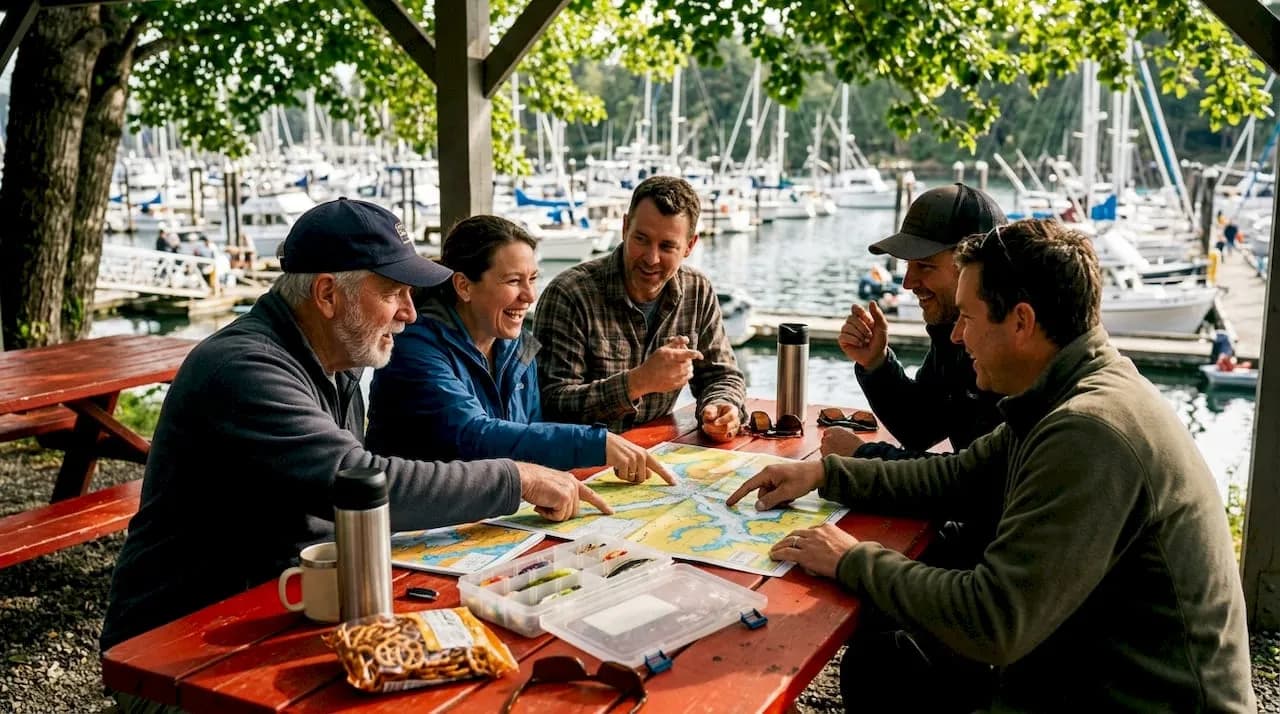
Groups of six or more should book at least six months in advance. That window gives you access to the best tides, preferred dates, and guides with the capacity to handle larger parties. Waiting until a month out means settling for whatever’s left.
Early booking also gives you time to handle the paperwork. Obtaining fishing licenses online before arrival removes one of the most common causes of dock-side delays and morning frustration. State-required permits vary by location, so the lead organizer should confirm requirements for every participant well ahead of the trip date.
Use the booking window to lock in a few key details:
- Confirm the captain’s group capacity and whether a multi-boat setup is needed
- Verify which tides and weather windows work best for your target species
- Collect deposits from all participants early to avoid last-minute dropouts
- Confirm whether the charter provides rods, reels, bait, and tackle
Pro Tip: Ask the charter operator about their cancellation and rebooking policy when you pay the deposit. Weather cancellations happen, and knowing the policy upfront prevents conflict later.
2. What are the best practices for managing day-of logistics?
Day-of logistics separate good trips from great ones. A large group moving slowly through a marina creates bottlenecks that eat into fishing time and test everyone’s patience before the boat even leaves the dock.
Follow this sequence on the morning of the trip:
- Arrive at least 30 minutes before the scheduled departure time
- Designate one person as the group contact for the captain and crew
- Confirm fish-cleaning capacity with the captain before you leave the dock
- Distribute seasickness medication reminders the night before
Asking captains about cleaning capacity is a step most organizers skip. With a large group, the volume of fish can overwhelm a single mate working dockside. Knowing the setup in advance lets you plan for ice, bags, and processing time without a long wait at the end of the day.
Seasickness is the other silent trip-killer. Guests should take motion sickness medication 60 minutes before boarding and eat a light, non-greasy breakfast. Proactive treatment works far better than reactive treatment once the boat is moving.
Pro Tip: Assign a “shore captain” from your group. This person handles headcount, communicates with the dock, and keeps stragglers moving. It sounds unnecessary until someone is five minutes late and the tide is turning.
3. How to match the trip style to your group’s needs
Trip type is the single most consequential decision a group organizer makes. Choosing the wrong style creates physical discomfort, boredom, or frustration for half the group before the first fish is caught.
Matching physical and experience levels to the trip style is the most reliable predictor of group enjoyment. Here is how the main options compare:
| Trip Type | Water Conditions | Best For | Typical Duration |
|---|---|---|---|
| Inshore | Calm, sheltered | Families, beginners, mixed ages | 4–6 hours |
| Nearshore | Mild chop | Intermediate groups, teens and adults | 6–8 hours |
| Offshore | Open ocean, rougher | Experienced adults, serious anglers | 8–12 hours |
Inshore trips target species like redfish, snook, and flounder in protected bays and estuaries. They require less physical stamina and are far more forgiving for groups that include kids, older adults, or first-time anglers. Offshore trips go after bigger pelagic species like tuna and mahi-mahi, but they demand sea legs, endurance, and a tolerance for rough conditions.
A good captain adjusts to the group’s energy and comfort level throughout the day. When you book, ask directly whether the captain is willing to modify the plan based on conditions and group feedback. Flexibility is a professional quality, not a weakness.
4. What gear and supplies should each person bring?
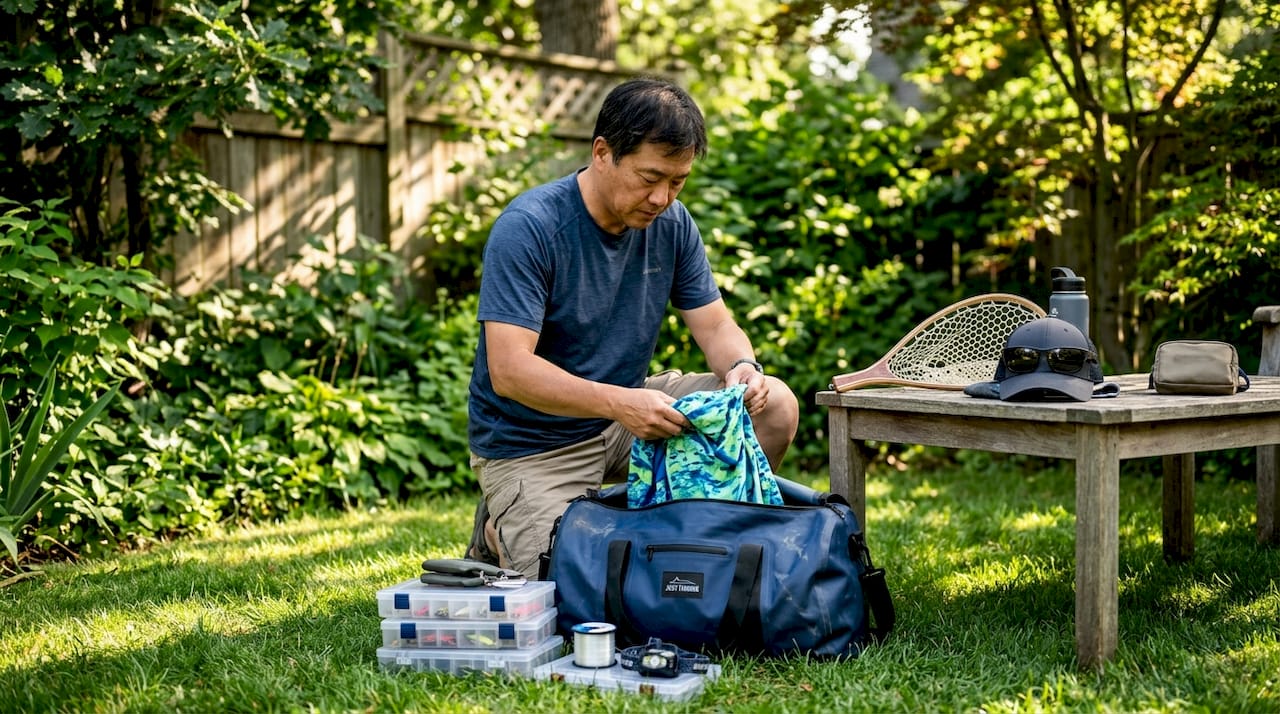
Most charters provide rods, reels, bait, and tackle. What they do not provide is personal comfort gear, and that gap catches first-timers off guard every time. A solid fishing trip checklist covers both categories.
Each participant should bring:
- Polarized sunglasses (reduces glare and eye fatigue significantly)
- Broad-spectrum sunscreen, SPF 50 or higher
- Non-slip, closed-toe shoes with rubber soles
- A light jacket or windbreaker, even in warm weather
- Motion sickness medication taken before boarding
- Personal snacks and drinks in a small cooler
The cooler rule matters more than most people realize. Experienced anglers leave large catch coolers in their vehicles and bring only small snack coolers on deck. Large coolers take up space that a working crew needs to move safely and efficiently. A cluttered deck is a safety hazard, not just an inconvenience.
Tipping is a standard part of charter fishing culture. The customary tip is 15–20% of the total charter cost, split among the mates. On a $2,000 charter, that means roughly $400 distributed among the crew. Collect this from the group before the trip ends so the organizer is not covering it alone.
For groups who want to bring personal tackle, Justfishinggroup carries a full range of fishing gear and accessories suited to both inshore and offshore conditions.
5. How to set group expectations before you leave the dock
Group trip failure rarely comes from bad weather or slow fishing. It comes from misaligned expectations. One person wants a competitive day with a full cooler. Another wants to relax, drink coffee, and enjoy the sunrise. Both are valid. Neither is compatible with the other if no one talks about it first.
Defining the trip’s purpose weeks in advance aligns expectations and prevents the kind of quiet resentment that ruins the ride home. Send a short message to the group before the trip. Ask whether people are coming to fish hard or to enjoy the experience. The answer shapes every decision from trip type to rod rotation.
“The real success of a large fishing day is the group’s shared social experience, not the catch tally.” Experienced captains make this observation consistently, and the data backs them up. Setting expectations upfront improves group enjoyment regardless of how many fish end up in the cooler.
Build a simple rotation plan for rod time. On a busy boat, not everyone can fish simultaneously. Decide in advance how you will rotate, who goes first, and how long each turn lasts. A fair system prevents friction and keeps the mood light even when the bite is slow.
6. How large groups can use multi-boat setups effectively
Very large groups, typically twelve or more people, often benefit from a multi-boat flotilla rather than a single oversized vessel. Multi-boat setups balance individual attention with group cohesion. Each boat gets a dedicated captain and mate, which means better instruction, more rod time per person, and safer conditions on deck.
Coordinating two or three boats also lets you split the group by skill level or preference. Put the serious anglers on one boat targeting deeper water. Put the casual crowd on another working inshore flats. Both groups get the trip they actually want, and everyone reunites at the dock with stories to share.
The lead organizer should confirm that all boats are in radio contact and agree on a common meeting point and return time before departure. A brief group briefing at the dock, covering safety procedures, rotation plans, and the day’s target species, takes ten minutes and prevents a dozen questions throughout the day.
Key takeaways
Successful group angling trips require early booking, clear communication, and a trip style matched to the group’s actual skill level and expectations.
| Point | Details |
|---|---|
| Book six months out | Groups of six or more need early reservations to secure guides, tides, and permits. |
| Apply the Cooler Rule | Leave large catch coolers in the car; bring only small snack coolers on deck. |
| Match trip type to the group | Inshore for families and beginners; offshore for experienced adults only. |
| Set expectations in advance | Define whether the trip is competitive or casual before departure day. |
| Tip 15–20% of charter cost | Collect tips from the group before the trip ends and distribute to the crew. |
What I’ve learned from watching group trips go sideways
The organizer is the most important person on any group fishing trip, and almost no one treats the role seriously enough. I’ve watched trips fall apart not because of bad weather or slow fishing, but because one person tried to manage twelve people with a group chat and a vague plan. That’s not a plan. That’s a wish.
The trips that work share one quality: the organizer made decisions early and communicated them clearly. They picked the trip type, confirmed the details, collected the money, and told everyone what to expect. They didn’t ask for consensus on every point. They led.
The other thing I’ve noticed is that the best fishing days are rarely the ones with the biggest catches. They’re the ones where the group was relaxed, the expectations were realistic, and someone remembered to bring good snacks. A slow bite on a calm morning with good company beats a frantic offshore run with a seasick half of the group every time.
Preparation and flexibility are not opposites. Prepare the logistics thoroughly, then let the day unfold. The fish don’t follow your schedule, and neither does the weather. The groups that adapt without drama are the ones that come back.
— Alaa
Plan your next group fishing trip with Justfishinggroup
Justfishinggroup connects group anglers with fishing trips worldwide, covering destinations across the Maldives, UAE, Kenya, Seychelles, Egypt, and beyond. Whether your group wants a calm inshore session or a full-day offshore run, the platform offers trip options built for different skill levels and group sizes.
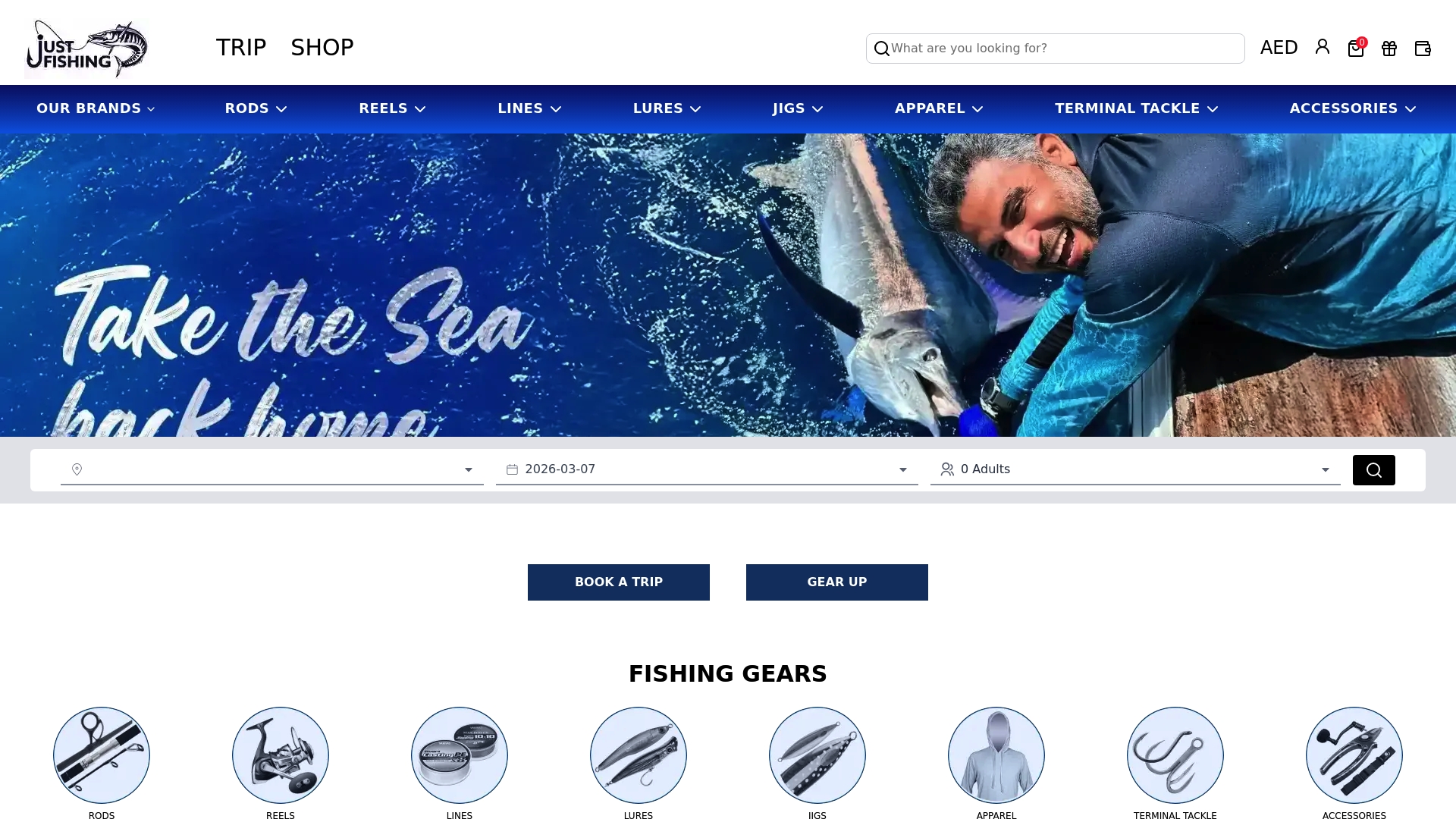
Beyond trip booking, Justfishinggroup’s online shop carries rods, reels, lures, lines, jigs, and accessories from trusted brands. Groups can gear up and book in one place, with expert content on the Justfishinggroup blog covering everything from tackle selection to destination guides. If your group is ready to fish, the platform has the tools to make it happen.
FAQ
How far in advance should a group book a fishing charter?
Groups of six or more should book at least six months in advance. This secures preferred dates, tides, and guide availability before the season fills up.
What is the standard tip for a fishing charter crew?
The standard tip is 15–20% of the total charter cost, split among the mates. On a $2,000 charter, that works out to approximately $400 for the crew.
What should I pack for a group fishing trip?
Bring polarized sunglasses, SPF 50 sunscreen, non-slip shoes, a light jacket, motion sickness medication, and personal snacks in a small cooler. Leave large catch coolers in the car.
What is the best trip type for a mixed-age group?
Inshore trips are the best fit for mixed-age groups. Calmer waters, shorter durations, and easier conditions make them accessible for kids, older adults, and beginners.
How do you manage expectations in a large fishing group?
Communicate the trip’s purpose, competitive or casual, weeks before departure. A simple group message asking what people want from the day prevents conflicting expectations on the water.