

Plan unforgettable group fishing trips: steps for success
TL;DR:
- Proper planning and clear communication are essential to avoid common group trip frustrations.
- Choosing the right destination and trip type depends on group skill levels and goals.
- Delegating roles and prioritizing safety ensure a fun, memorable, and successful fishing experience.
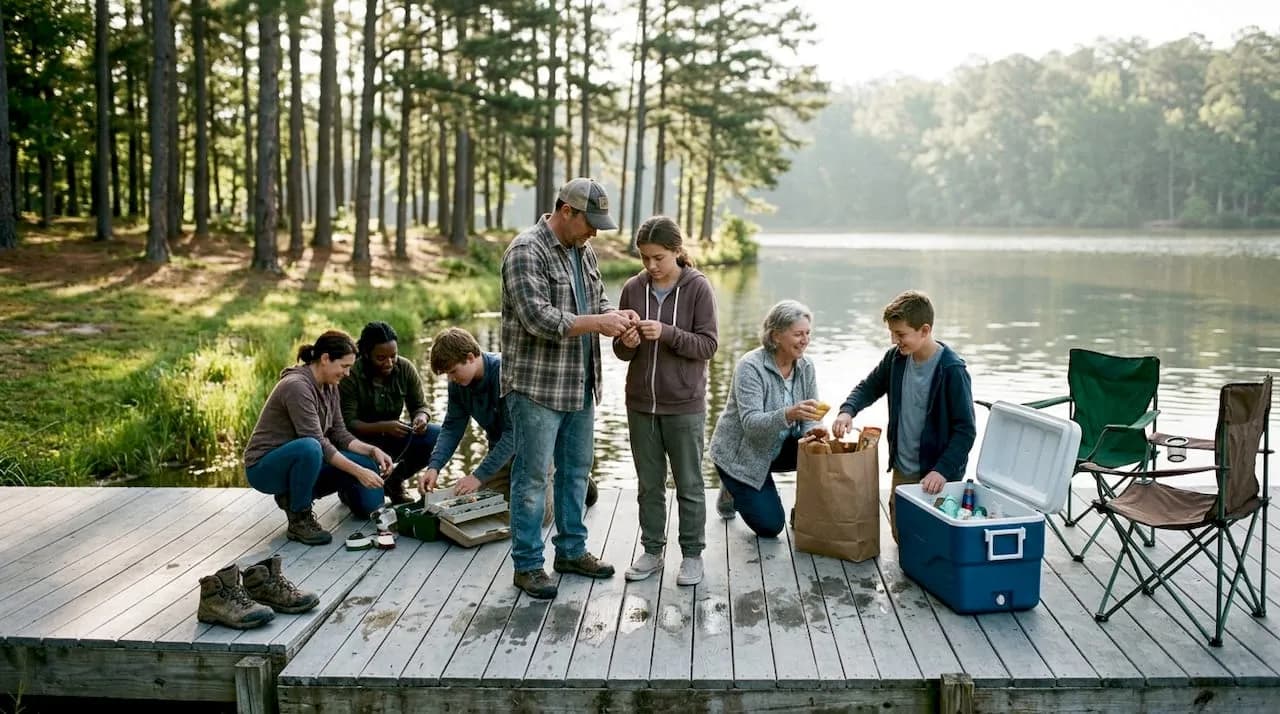
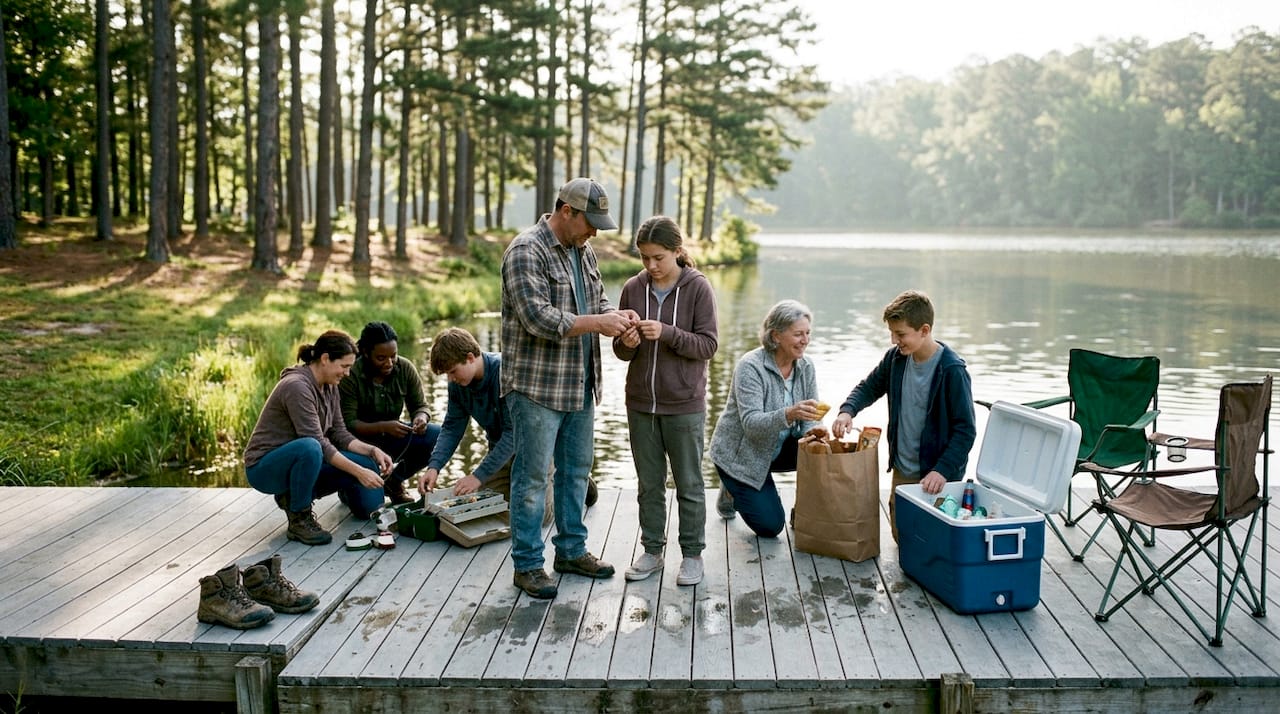
Planning a group fishing trip sounds exciting until someone forgets the bait, three people show up with the wrong gear, and nobody agreed on a wake-up time. Group trips have a way of turning small oversights into big headaches fast. The good news is that a little structured planning eliminates almost every common problem before it starts. This guide walks you through assessing your group, picking the right destination, dividing responsibilities, staying safe, and creating moments that everyone talks about long after the cooler is empty.
Table of Contents
- Assess your group and set clear goals
- Choose the right destination and trip type
- Delegate roles, logistics, and gear
- Prioritize safety, regulations, and backup plans
- Make your trip memorable: activities, bonding, and capturing moments
- Why most group fishing trips flop—and the secret to success
- Ready to plan your perfect group fishing trip?
- Frequently asked questions
Key Takeaways
| Point | Details |
|---|---|
| Assess your group first | Matching destinations and trip styles to group skill levels ensures a more enjoyable and hassle-free experience. |
| Delegate and communicate | Clearly assigned roles and good group communication keep planning smooth and organized. |
| Prioritize safety always | Proper gear, certified boats, and awareness of regulations are essential for a safe, successful trip. |
| Memorable bonding matters | Incorporating traditions, fun activities, and capturing group memories turn a fishing trip into a true adventure. |
Assess your group and set clear goals
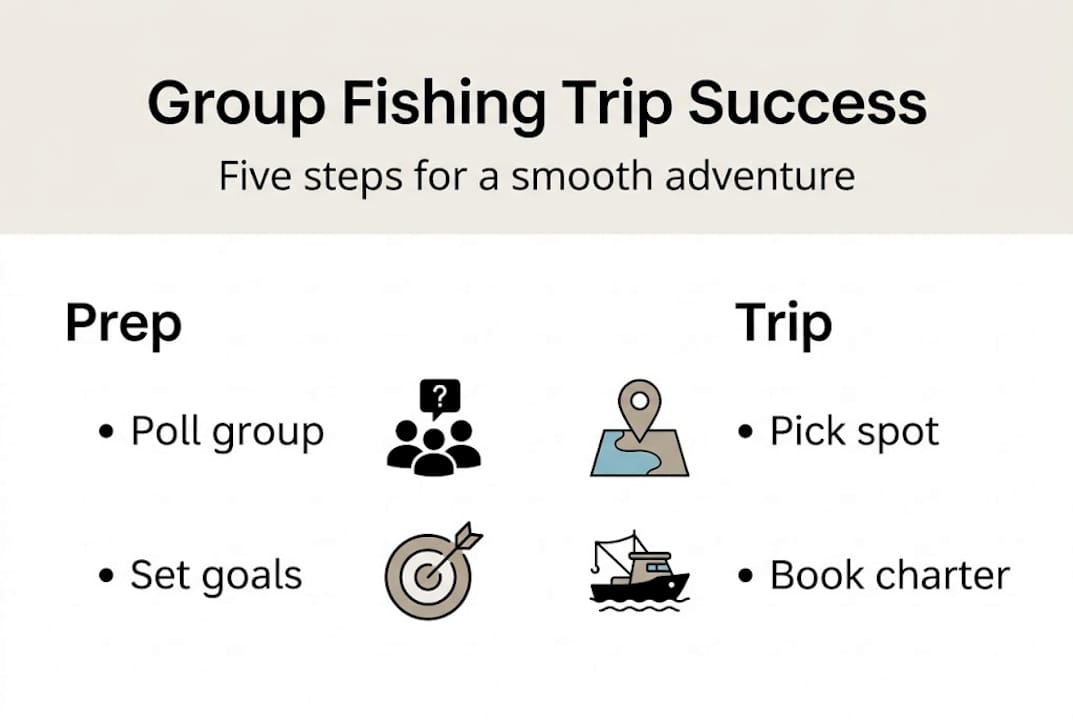
Before you book anything, you need an honest picture of who is going on this trip. Skill level matters more than most groups admit. A group of seasoned offshore anglers has completely different needs than a mix of first-timers and kids. Skipping this step is one of the fastest ways to end up with frustrated beginners and bored experts standing on the same boat.
Start by asking every member two simple questions: How much fishing experience do you have, and what do you want to get out of this trip? The answers will shape every decision that follows. Group fishing advice consistently recommends assessing skill levels first and selecting destinations accordingly, with accessible lakes and rivers for beginners and families, and offshore options for experienced anglers.
Here is a quick reference for matching group profiles to trip types:
| Group profile | Recommended trip type | Example destination |
|---|---|---|
| All beginners or families with kids | Stocked pond or calm lake | Local state park lake |
| Mixed skill levels | Guided inshore charter | Florida Keys inshore |
| Intermediate anglers | DIY lake or river trip | Lake Erie walleye run |
| Advanced/expert group | Offshore or deep-sea charter | Kenai River, Alaska |
Once you have a sense of the group’s experience range, align on goals. Are you fishing for fun and laughs? Chasing a personal best? Teaching the kids? Building a family tradition? These goals are not just feel-good conversation. They directly affect the type of trip, the pace, and the gear you need.
Here are the most common group goals worth discussing before you plan:
- Family bonding: Prioritize accessibility, comfort, and shorter fishing windows
- Competitive catch challenge: Plan for longer days on the water and target-specific species
- Learning trip: Budget for a guide or captain who enjoys teaching
- Relaxed social trip: Mix fishing with meals, campfires, and downtime
For planning fishing events that actually work, the most important thing you can do is get input from every single person before finalizing plans. When people feel heard, they show up more engaged and less likely to complain when things do not go perfectly.
Pro Tip: Send a quick group poll using a free tool like Google Forms. Ask about skill level, trip goals, budget range, and preferred dates. You will get cleaner answers than a group chat ever produces.
Choose the right destination and trip type
Once everyone is aligned on goals and skill level, it is time to match your plans to the perfect destination. The first big decision is whether to go charter or DIY.
Charters are strongly recommended for groups, especially those with mixed skill levels or families. A charter provides gear, a captain, and built-in safety, which removes a huge amount of logistical pressure. DIY trips cost less but require you to handle all planning, gear, and navigation yourself.
| Factor | Charter trip | DIY trip |
|---|---|---|
| Cost | Higher upfront | Lower overall |
| Gear provided | Yes, usually included | No, bring your own |
| Safety oversight | Captain and crew on board | Self-managed |
| Best for | Mixed skills, families | Experienced groups |
| Planning effort | Low to moderate | High |
For chartered vs DIY trips, the charter option wins for most groups because it levels the playing field. Beginners get expert guidance, and experienced anglers get local knowledge they could not find on their own.
When it comes to choosing fishing destinations, some of the most popular US spots include the Florida Keys for saltwater, Lake Erie for walleye, and the Kenai River in Alaska for salmon. Families with young children often do best at stocked ponds or state park fishing areas where regulations are simple and fish are plentiful.
Follow these steps to narrow down your destination:
- List your group’s top three priorities (species, scenery, accessibility, budget)
- Research destinations that match at least two of those priorities
- Check seasonal fishing calendars to confirm target species are active during your travel window
- Compare charter availability and pricing for your group size
- Read recent reviews from groups with similar profiles to yours
Exploring group-friendly fishing destinations gives you a broader view of what is possible beyond local spots, including international options that experienced groups increasingly consider.
Pro Tip: Book charters at least one month in advance during peak season. Popular captains and boats fill up fast, and last-minute bookings often mean settling for less experienced guides or less desirable time slots.
Delegate roles, logistics, and gear
With the destination chosen, making sure everyone is involved and organized is the next critical step. One person trying to manage everything is a recipe for burnout and mistakes. Spreading the work across the group makes planning faster, more accurate, and more fun.
Delegating tasks is one of the most effective strategies for group trip success. Assign these core roles early:
- Bookings coordinator: Handles charter reservations, accommodations, and transport
- Gear coordinator: Inventories, packs, and transports shared fishing equipment
- Food and supplies planner: Manages snacks, meals, drinks, and cooler logistics
- Navigator or itinerary lead: Keeps the group on schedule and handles directions
- Safety officer: Confirms life jackets, first aid kits, and emergency contacts
For fishing event strategies that scale well across large groups, clear role assignment is the single biggest differentiator between smooth trips and chaotic ones.
Once roles are set, run through this gear prep checklist together:
- Confirm what gear the charter provides versus what you need to bring
- Inventory all rods, reels, and tackle at least one week before departure
- Check that life jackets fit every group member, including children
- Pack a dedicated first aid kit with seasickness medication
- Prepare a shared cooler with ice for catch storage and refreshments
- Create a shared packing list in a group chat so nothing is duplicated or forgotten
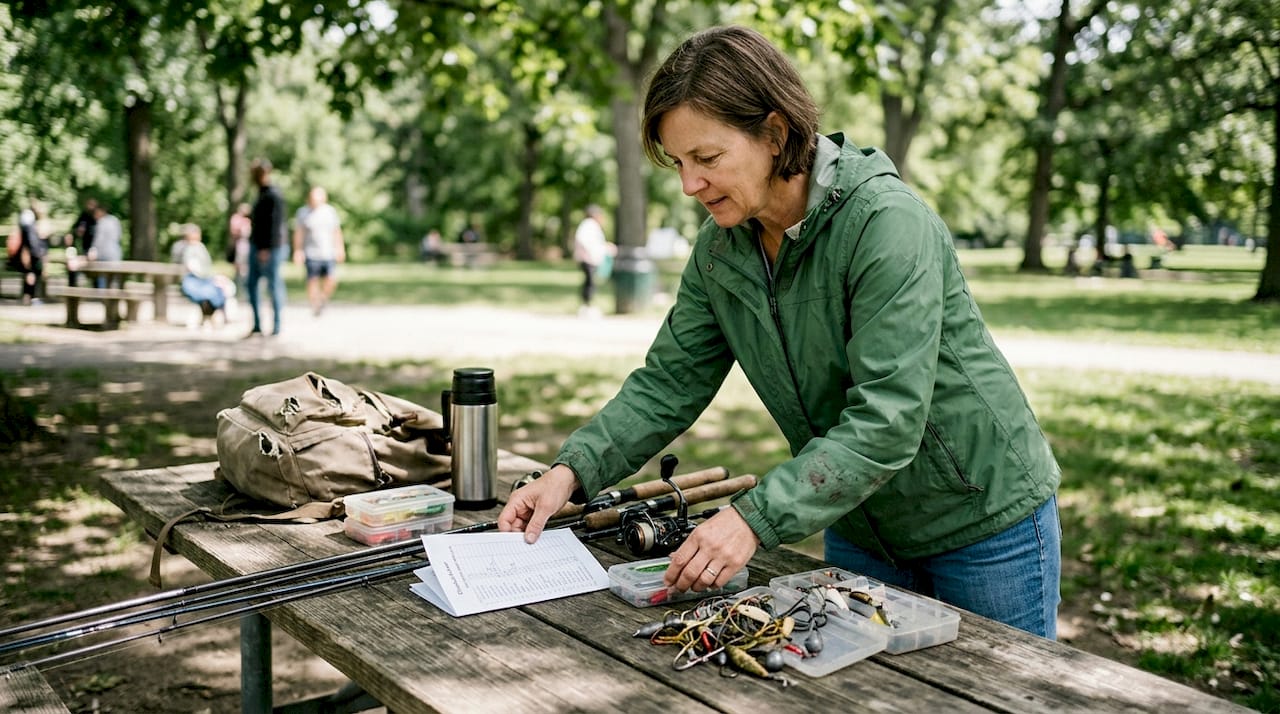
Must-have gear for most group trips includes rods and reels matched to the target species, a variety of bait and lures, sunscreen and protective clothing, polarized sunglasses, and a quality cooler. For group logistics advice, a shared group chat or planning app keeps everyone accountable without requiring constant follow-up calls.
Prioritize safety, regulations, and backup plans
Delegating tasks keeps things smooth, but keeping everyone safe and within the law is just as important. Safety is not optional, and neither is knowing the rules before you hit the water.
Here are the non-negotiable safety items every group trip needs:
- USCG-certified captain and vessel for all chartered trips
- Coast Guard-approved life jackets for every person on board
- First aid kit stocked with basic supplies and seasickness remedies
- Charged communication device such as a VHF radio or satellite communicator
- Emergency contact list shared with someone not on the trip
Safety essentials for group charters specifically include confirming USCG-certified boats and captains, checking weather backups, and ensuring all licenses are in order before departure.
Critical reminder: Never leave shore without checking local fishing regulations for your destination. Bag limits, size restrictions, and seasonal closures vary by state and species. Violations can result in fines and confiscated gear, which will ruin the trip faster than bad weather.
For fishing tips and safety that apply across all group sizes, building a backup plan is just as important as the original itinerary. Weather changes fast on the water. Have a secondary activity or indoor option ready so the day is not wasted if conditions turn.
Group fishing licenses are another area where groups get caught off guard. Some states offer group or tournament licenses that cover multiple anglers at a reduced rate. Research this well in advance and confirm who needs what before anyone casts a line.
Make your trip memorable: activities, bonding, and capturing moments
With logistics and safety handled, you can focus on making the experience fun and lasting for everyone. The best group fishing trips are remembered not just for the fish caught but for the moments in between.
Building small traditions into your trip creates a shared identity for the group. Some ideas that work well include:
- Biggest catch award: A lighthearted trophy or bragging rights certificate for the largest fish
- Group meal ritual: Everyone contributes to a shared dinner, especially if you cook your catch
- Photo contest: Best underwater shot, funniest face with a fish, or most creative catch photo
- Teaching moment: Experienced anglers spend 30 minutes with beginners on technique
- Evening campfire or dock hangout: Wind down together and recap the day’s highlights
For planning memorable fishing trips, the activities around fishing matter as much as the fishing itself, especially when the group includes non-anglers or kids who may lose interest after a few hours on the water.
Capturing the trip well means you will relive it long after you get home. Make sure to document:
- Group photos at the dock before and after the trip
- Action shots of casts, reels, and catches
- Candid moments during meals or downtime
- Short video clips for a trip recap reel
For fishing trip inspiration on how other groups design their experiences, look at destinations like the Florida Keys, Lake Erie, and Kenai River where group fishing culture is well established and charter operators often have built-in bonding activities.
Pro Tip: Assign one person as the official trip photographer before you leave. Give them a simple brief: candid moments, group shots, and at least one photo of every person with a fish. You will thank yourself when it comes time to share memories.
Why most group fishing trips flop—and the secret to success
After observing dozens of fishing groups across skill levels and destinations, one pattern stands out clearly. Most failed trips do not fall apart because of bad weather or poor fishing. They fall apart because nobody agreed on what the trip was actually for.
When goals are vague and roles are undefined, small frustrations compound fast. Someone expected a relaxing day and got a competitive grind. Someone else assumed gear was covered and showed up empty-handed. These are not bad luck. They are planning failures.
The groups that have the best time are almost always the ones that over-communicated before departure. They sent the poll. They assigned the roles. They confirmed the charter twice. That might sound excessive, but on the water, there is no time to resolve misunderstandings.
Flexibility matters just as much as preparation. Even the best plans hit snags. The groups that adapt quickly and laugh it off are the ones that come back the following year. For expert group fishing tips that go beyond checklists, the real secret is treating the planning process as part of the trip itself, not just a chore before it starts.
Ready to plan your perfect group fishing trip?
You now have a clear roadmap from goal-setting to gear to making memories. The next step is putting it all into action with the right resources behind you.
JustFishing Group makes it easy to plan your next trip with curated destinations, expert guidance, and everything your group needs in one place. Whether you want to find a group charter for a seamless experience or browse top fishing gear to make sure everyone is properly equipped, the platform has you covered. Stop juggling spreadsheets and group chats. Let the planning tools and trip packages do the heavy lifting so your group can focus on what actually matters: catching fish and making memories.
Frequently asked questions
How far in advance should we book a group fishing charter?
You should book at least a month in advance, especially in peak season, to ensure boat and captain availability.
What gear does each person need to bring to a group fishing trip?
For DIY trips, each person should bring a rod, reel, bait, appropriate clothing, and a life jacket. Charters often provide gear, so confirm what is included before you pack.
How can we divide planning tasks for a group fishing trip?
Assign separate roles like booking, gear coordination, and food prep to different group members. Delegating tasks this way distributes the workload and reduces the chance of anything being overlooked.
What safety measures are essential for group fishing trips?
Wear life jackets, confirm USCG-certified vessels, monitor weather conditions, and review local fishing regulations before your trip.
What are the best destinations for a group fishing trip?
Top options include the Florida Keys, Lake Erie, and the Kenai River in Alaska, along with family-friendly stocked ponds and state parks for beginners.