Address: M5, Al Naumi Tower , Al Mina Road, Al Zahya Area, Abu Dhabi City, UAE
Email: support@justfishinggroup.com
Store Hours: 10:00 - 18:00, Mon - Sat
Legal
© 2025 JustFishing. All Rights Reserved.



Address: M5, Al Naumi Tower , Al Mina Road, Al Zahya Area, Abu Dhabi City, UAE
Email: support@justfishinggroup.com
Legal
© 2025 JustFishing. All Rights Reserved.
How to tie a fishing hook and sinker
December 02, 2025, 234
The success of fishing in the Arabian Gulf along the shores of Jumeirah or in the deep waters of Abu Dhabi cannot be a matter of chance but rather preparation. The terminal tackle knot is the most important part of any arrangement, the one that means contact between angler and fish.
Knot strength is needed in a place where Kingfish, Grouper and Cobia provide strong runs. Learning how to tie a fishing hook and sinker will be the key to using your rig to its fullest line capacity, confidence, and lost fish or wasted equipment.
Although there are other knots with high strength, every amateur who learns how to tie a fishing hook and sinker must be able to master the Palomar Knot and Improved Clinch Knot.
The Improved Clinch Knot
The Palomar Knot

Proper adjustment of your sinker is the key to controlling bait level and increasing your opportunities in order to get to active fish. Novices learning how to tie a fishing hook and sinker would need to know the weight-stability and weight-sink rate relationship. Lightweight sinker is to be used in shallow waters so that the bait can move freely.
To anchor your rig in deeper or quick-moving currents, add on more weight. The knowledge will ensure that the angler selects the appropriate fishing tackle, matches it with the appropriate fish hooks, and successfully implements the application of how to tie a fishing hook for beginners.
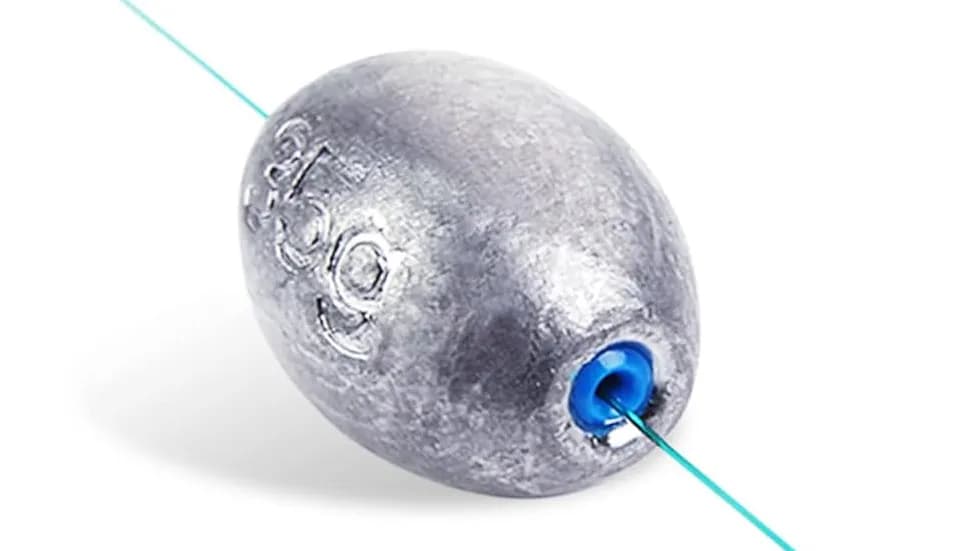
The MAZUZEE MZRS200 Running Sinker facilitates such adaptations with easy movement of the line as the depths are altered.
Read More: how to choose the right fishing hook
It is vital to make sure that your knot, as well as your line, can take the actual pressure before you can put your rig in the water. This test can be used to check the strength when you are learning how to tie a fishing hook and sinker, particularly when using a saltwater fishing hook or when learning the strongest way to tie a fishing hook.
The easiest type of Line-Against-Line Test is used to determine which line/knot arrangement is the strongest. It is applicable to various brands, materials (mono or fluoro), or even wet or dry performance.
Overcoming the reluctance to practice or re-tie the fishing hook knot when required is the biggest struggle that novices face, not the knot. Among the errors people make when learning how to tie a fishing hook and sinker is skipping of the step of lubrication; unless you moisten the knot, you can easily weaken your line greatly.
Tie again after catching toothy fish or abrasiveness on rocks to prevent hidden pain. Another problem, particularly with a braided line, is wind knots, and it is advisable to open the bail carefully and employ a controlled cast. As you keep on doing it, you will soon learn how to tie a fishing hook and sinker.

The salty gulf water is very corrosive, and thus needs quality and long-lasting gear, particularly in learning how to tie a fishing hook and sinker as well as going to an effective fishing store Dubai that the fishing community of the Gulf uses with confidence.
In addition to international brands such as Shimano, Daiwa, Okuma, and PENN, the angler in the UAE can also rely on such high-quality hook and tackle brands as Hayabusa, BKK, CB One, SAVAGE, and MAZUZEE. Strong, sharp, and corrosion resistant, these brands could be used in J-hooks, circle hooks, and assist hooks based on local species.
These setups are the best match with the SAVAGE SALT Assist Hook in rough salt water.
Knowing how to tie a fishing hook and sinker is the key to success in fishing in the UAE in the harsh saltwater conditions. Any angler can fish with the necessary confidence with the right knots, right sinkers, and reliable tackle.
Refreeze and exercise on a regular basis, and trust in the proven equipment to make sure that your configuration is at its best. Practice and training transform novices into good, competent fisherpersons.
Read More: Best Fishing Hooks for Beginners and Professionals
Rate this blog
Categories
Popular Tags

