


How to fish in the Maldives: Step-by-step guide
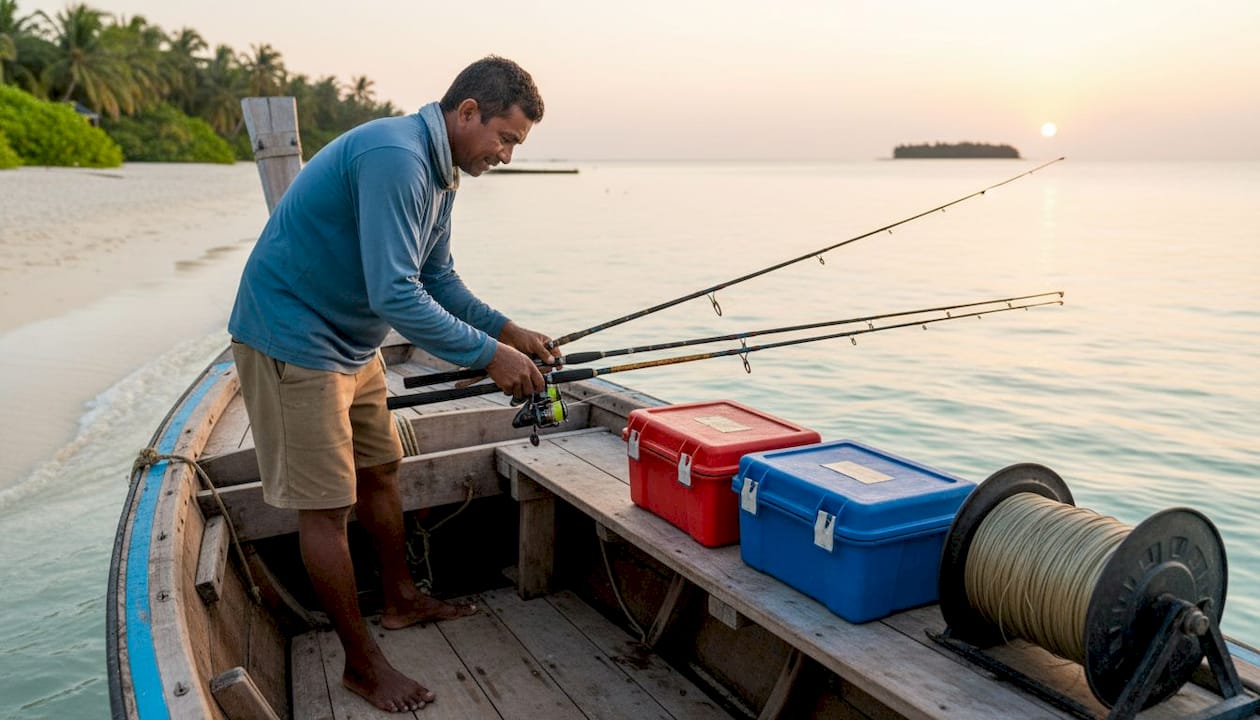
The Maldives sits at the crossroads of the Indian Ocean, surrounded by over 1,000 coral islands and some of the most productive fishing waters on the planet. Giant trevally, yellowfin tuna, wahoo, and billfish patrol these atolls year-round, making it a bucket-list destination for serious anglers. But the geography is complex, the fishing regulations are strict, and logistics can trip up even experienced travelers. This guide breaks down everything you need to know, from legal requirements to gear choices, so you can focus on what matters: landing the fish of a lifetime.
Table of Contents
- Essential regulations and requirements for fishing in the Maldives
- Recommended fishing methods and gear for Maldivian waters
- Planning your trip: Best seasons, atolls, and budgeting tips
- Shore fishing and reef safety: Common mistakes and essential advice
- Catch etiquette, conservation, and responsible fishing
- Plan your fishing adventure with Just Fishing
- Frequently asked questions
Key Takeaways
| Point | Details |
|---|---|
| Check regulations | Maldives enforces strict fishing rules, so always review bans and charter requirements before your trip. |
| Choose right gear | Pick methods and equipment based on your target fish, season, and preferred atoll for best results. |
| Book licensed charters | Using licensed charters ensures full compliance, safety, and access to prime fishing spots. |
| Avoid shore risks | Shore and reef fishing carry safety risks and are often highly regulated—consult guides and avoid resort reefs. |
| Practice conservation | Catch-and-release, respect protected zones, and use best practices to support Maldives marine life for the future. |
Essential regulations and requirements for fishing in the Maldives
Fishing in the Maldives is tightly regulated to protect its fragile coral reef ecosystem. Before you cast a single line, you need to understand what is and is not allowed. Ignorance is not a defense here, and violations can result in heavy fines or immediate removal from the water.
The Maldives fishing regulations prohibit spearfishing, shark fishing, and net fishing over reefs. Catch-and-release is mandatory for giant trevally (GT) and billfish. Fishing inside marine protected areas (MPAs) is completely off-limits, and resort reefs are typically reserved for guests under controlled conditions.
Here is a quick overview of what is restricted:
- Spearfishing: Banned for all visitors
- Shark fishing: Fully prohibited nationwide
- Net fishing over reefs: Illegal for recreational anglers
- Billfish and GT: Catch-and-release only
- Protected atolls: No fishing without special authorization
- Resort reefs: Off-limits unless arranged through the resort
The table below shows how key atolls compare in terms of access and restrictions:
| Atoll | Fishing access | Key restrictions |
|---|---|---|
| North Male | Open with charter | No reef fishing |
| South Male | Open with charter | GT catch-and-release |
| Ari Atoll | Open with charter | MPA zones apply |
| Baa Atoll | Restricted | UNESCO Biosphere Reserve |
| Haa Alifu | Open with charter | Seasonal limits apply |
Important: Fishing without a licensed operator in restricted zones can result in fines exceeding $5,000 and confiscation of all equipment. Always verify your charter’s licensing before departure.
The simplest way to stay compliant is to book through a licensed charter operator. These companies handle all permits on your behalf and know exactly where you can and cannot fish. Check out Maldives fishing tips for more guidance on choosing the right operator for your trip.
Recommended fishing methods and gear for Maldivian waters
With your legal requirements sorted, the next step is choosing the right fishing method. The Maldives offers a surprisingly wide range of techniques, each suited to different species, skill levels, and budgets.
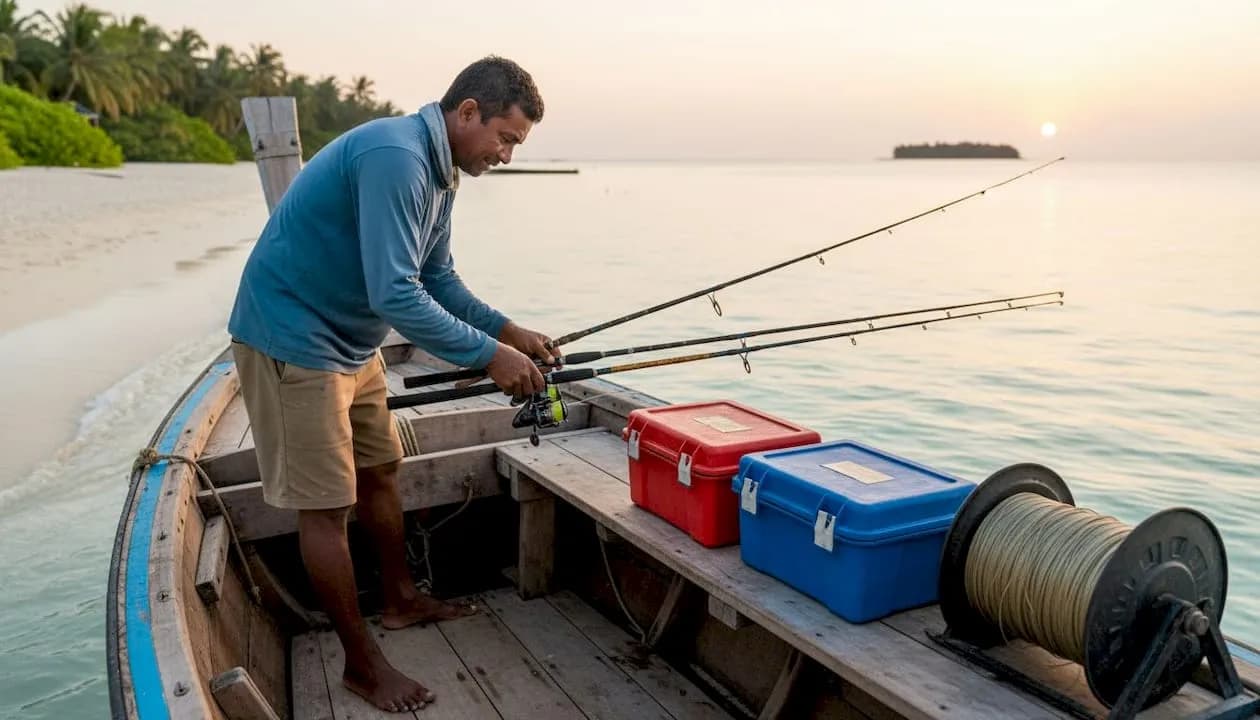
Maldives fishing charters typically supply all gear and hold the necessary licenses, which simplifies logistics enormously for visiting anglers. This is especially useful if you are traveling light or flying in from overseas.
Here is a breakdown of the most popular methods:
| Method | Recommended gear | Target species | Best atoll |
|---|---|---|---|
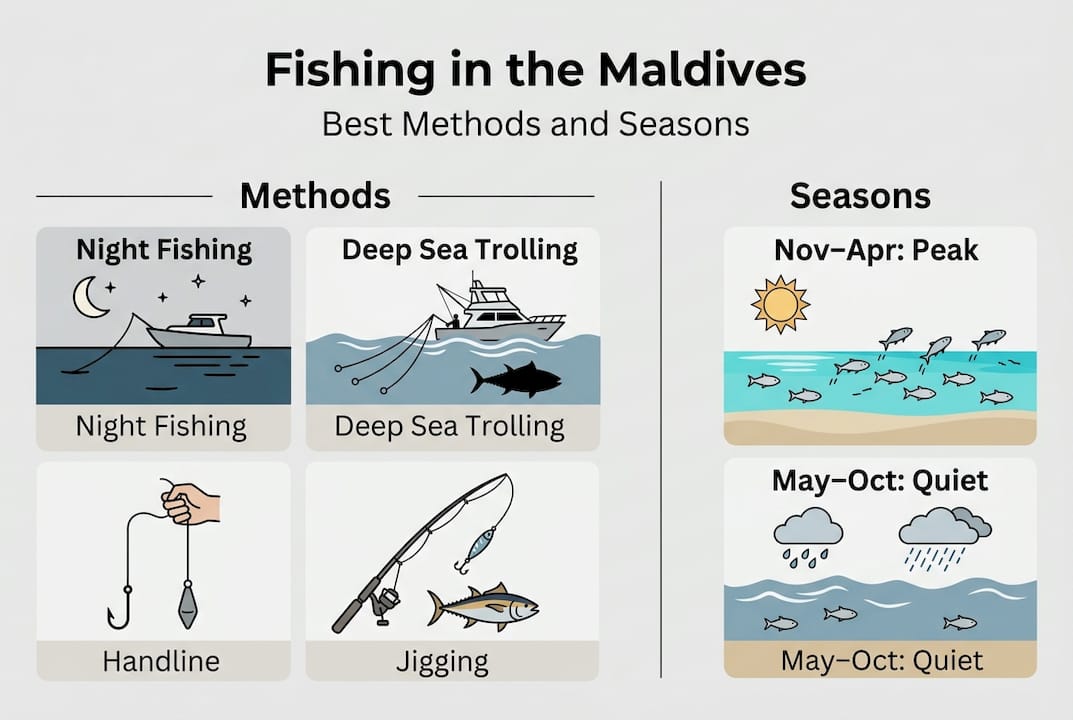
| Deep sea trolling | Heavy rods, 80lb braid | Wahoo, mahi-mahi, tuna | Ari, South Male |
| Jigging | Slow-pitch jigs, 40-60lb PE | GT, amberjack, snapper | North Male, Haa Alifu |
| Night fishing | Medium spinning rods, light jigs | Snapper, grouper | Most atolls |
| Fly fishing | 10-12wt fly rods, saltwater flies | GT, bonefish | Ari, Baa |
| Traditional handline | Basic handline, bait | Mixed reef species | All atolls |
The best fishing atolls for pelagic species like yellowfin tuna and GT are concentrated around North and South Male, Ari, and Haa Alifu. These areas offer deep drop-offs close to the reef edge, which is exactly where big fish patrol.
Here is how to set yourself up for success with gear selection:
- Match your rod to the method. A heavy trolling setup is useless for jigging, and vice versa.
- Use braided line for jigging. It transmits feel better than mono and handles the depth.
- Pack your own terminal tackle. Charters may not carry your preferred hooks or leaders.
- Bring polarized sunglasses. Spotting fish in the flats is nearly impossible without them.
- Consider big game jigs for GT. Slow-pitch and speed jigging both produce results in Maldivian waters.
Pro Tip: Book your charter at least three months in advance during peak season (November to April). The best boats with the most experienced guides fill up fast, and last-minute bookings often mean settling for less capable operators.
For more detailed gear recommendations tailored to specific species and methods, the JustFishing blog covers Maldives-specific setups in depth.
Planning your trip: Best seasons, atolls, and budgeting tips
Timing your trip correctly can be the difference between a slow day and a reel-screaming session. The Maldives has two distinct seasons, and each offers a different fishing experience.
The dry season runs from November to April. Seas are calm, visibility is excellent, and this is prime time for GT, wahoo, and sailfish. The wet season (May to October) brings rougher conditions but pushes more pelagic fish into feeding frenzies near the surface. Experienced anglers often prefer the wet season for sheer action, even if comfort takes a hit.
Here is what to consider when planning:
- November to April: Calm seas, best for beginners, peak charter demand
- May to October: Rougher water, higher pelagic activity, lower charter prices
- Best atolls for GT: North Male and Ari top the list
- Best for tuna: South Male and Haa Alifu during the wet season
- Budget tip: Travel mid-week and avoid school holidays to reduce costs
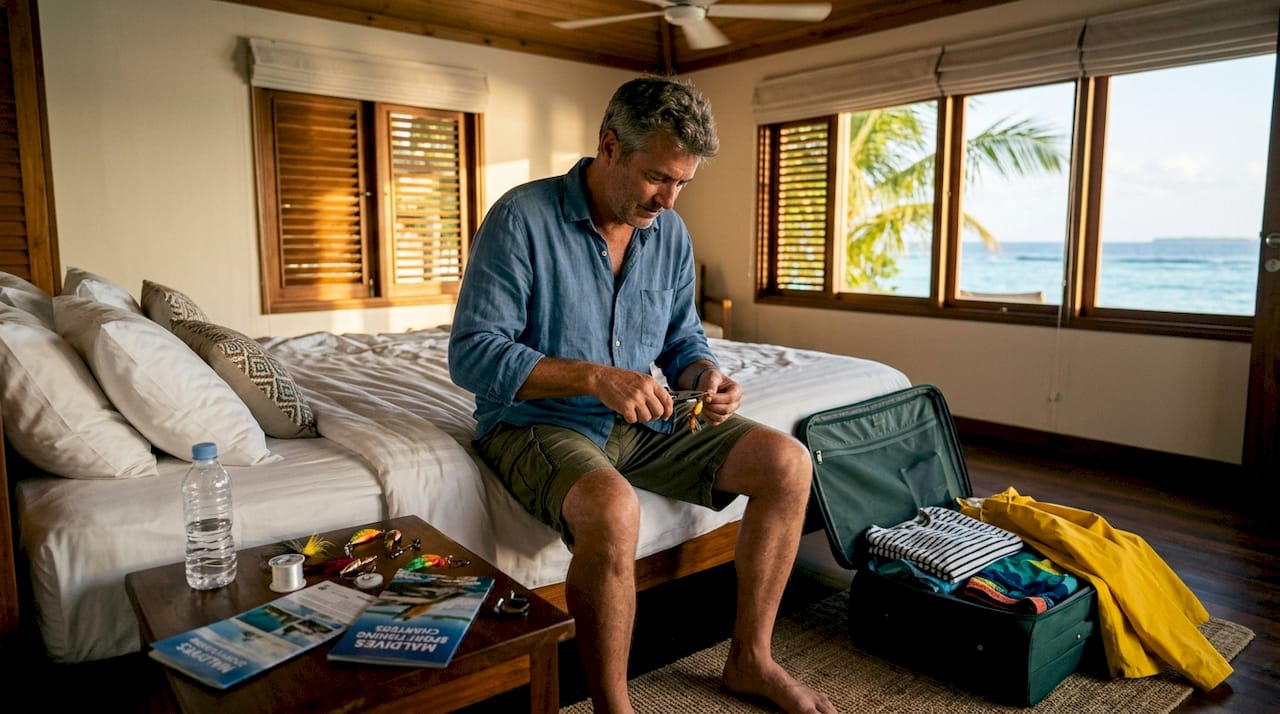
- Must-pack gear: Sunscreen (SPF 50+), a quality hat, seasickness tablets, and your own hooks
Budget matters too. Night fishing trips typically cost $50 to $75 per person, making them the most accessible option for travelers. Full-day private big game charters start from $1,000 per day, which is steep but often worth it when you are targeting trophy fish with a dedicated crew.
Pro Tip: Avoid fishing resort reefs. They are heavily regulated, often crowded, and the fish are pressured. Heading out to open water with a licensed charter almost always produces better results and costs less in the long run.
When you are ready to lock in dates, booking fishing trips through a specialist operator ensures you get the right vessel, guide, and permits for your chosen atoll. And if you need to stock up before you fly, premium fishing gear is available to ship before your departure. For a broader overview of what to expect legally and logistically, this Maldives fishing regulations overview is worth reading before you book.
Shore fishing and reef safety: Common mistakes and essential advice
Shore fishing in the Maldives sounds appealing, but it comes with serious limitations. Shore fishing is heavily restricted by local regulations, and many reef fish species present genuine health hazards if mishandled or consumed.
The biggest mistake visiting anglers make is assuming that standing on a beach with a rod is harmless. In the Maldives, it often is not. Protected zones extend into the water from shore, and many islands have no legal shore fishing access at all.
Follow these steps to fish safely from shore:
- Confirm the island’s status. Inhabited islands may allow limited shore fishing; resort islands typically do not.
- Check for MPA boundaries. These are marked on official charts and extend offshore.
- Avoid targeting reef fish. Many species carry ciguatera toxin, which causes serious neurological illness.
- Use barbless hooks where possible. It reduces injury to both fish and angler during release.
- Never fish near coral. Dragging line over reef causes damage and can result in fines.
- Consult your guide before casting. Local knowledge is the fastest way to find a legal, productive spot.
Caution: Several reef fish species in the Maldives, including certain grouper and snapper, can carry ciguatera poisoning. Symptoms include nausea, nerve pain, and temperature reversal. There is no antidote. Do not eat unfamiliar reef fish without confirming it is safe with a local guide.
For those interested in reef environments more broadly, understanding reef diving safety principles translates well to fishing near coral, since many of the same hazards apply. The JustFishing blog also covers shore fishing tips for destinations where it is more accessible.
Catch etiquette, conservation, and responsible fishing
The Maldives is one of the most ecologically sensitive fishing destinations in the world. Its coral reefs support an enormous web of marine life, and irresponsible fishing can cause damage that takes decades to recover. Fishing here is a privilege, and treating it that way ensures the fishery stays productive for future visitors.
Under Maldivian law, catch-and-release is required for GT and billfish. Protected marine reserves must be respected at all times, and any fishing activity that damages coral is a criminal offense. These are not suggestions; they are enforceable rules.
Here are the best practices every angler should follow:
- Wet your hands before handling fish. Dry hands strip the protective slime coat.
- Keep fish in the water during release. Minimize air exposure to under 30 seconds.
- Use circle hooks. They reduce gut-hooking and make release far easier.
- Photograph quickly, release immediately. The fish’s survival depends on it.
- Report illegal activity. If you see someone fishing in a protected zone or using nets, report it to your charter captain or local authorities.
- Follow your guide’s lead. Experienced local guides know the catch-and-release rules and will keep you compliant.
Pro Tip: Ask your guide about local fishing customs before you start. Maldivian fishermen have practiced sustainable handline fishing for centuries, and their techniques are worth learning. Respecting that tradition builds goodwill and often leads to better fishing spots.
Conservation is not just about following rules. It is about recognizing that the Maldives’ incredible fishing exists because the ecosystem has been protected. Read more about responsible fishing practices that apply across all the destinations JustFishing covers.
Plan your fishing adventure with Just Fishing
You now have a solid foundation for planning a safe, legal, and genuinely exciting fishing trip to the Maldives. From navigating regulations to picking the right atoll and gear, the preparation you put in before you travel directly determines the quality of your experience on the water.
At JustFishing Group, we specialize in exactly this kind of trip. Whether you want to browse Maldives fishing trips with licensed operators, stock up on latest fishing gear before you fly, or simply get expert advice on which atoll suits your target species, we have you covered. Our team has hands-on experience across the Maldives and can help you build a trip that matches your skill level, budget, and ambitions. Do not leave your next adventure to chance.
Frequently asked questions
What types of fishing are legal in the Maldives?
Deep sea trolling, night fishing, handline, jigging, and fly fishing are all legal. Spearfishing and net fishing over reefs are banned for all visitors.
Do I need a fishing license to fish as a tourist in the Maldives?
Tourists do not apply for licenses individually. Licensed charters handle all permits and ensure you are fishing legally from the moment you board.
Can I fish from shore or in resort areas?
Shore fishing is restricted on most islands, and fishing in resort reefs or protected marine areas is not permitted under any circumstances.
How much does a typical fishing trip in the Maldives cost?
Night fishing costs $50 to $75 per person, while private big game charters start from $1,000 per day depending on the vessel and target species.
How can I fish responsibly and support Maldives conservation?
Follow catch-and-release rules for GT and billfish, avoid protected zones, and always fish with a licensed guide who knows local conservation requirements.