Address: M5, Al Naumi Tower , Al Mina Road, Al Zahya Area, Abu Dhabi City, UAE
Email: support@justfishinggroup.com
Store Hours: 10:00 - 18:00, Mon - Sat
Legal
© 2025 JustFishing. All Rights Reserved.



Address: M5, Al Naumi Tower , Al Mina Road, Al Zahya Area, Abu Dhabi City, UAE
Email: support@justfishinggroup.com
Legal
© 2025 JustFishing. All Rights Reserved.
How to choose fishing Reel for Saltwater
August 16, 2025, 1377
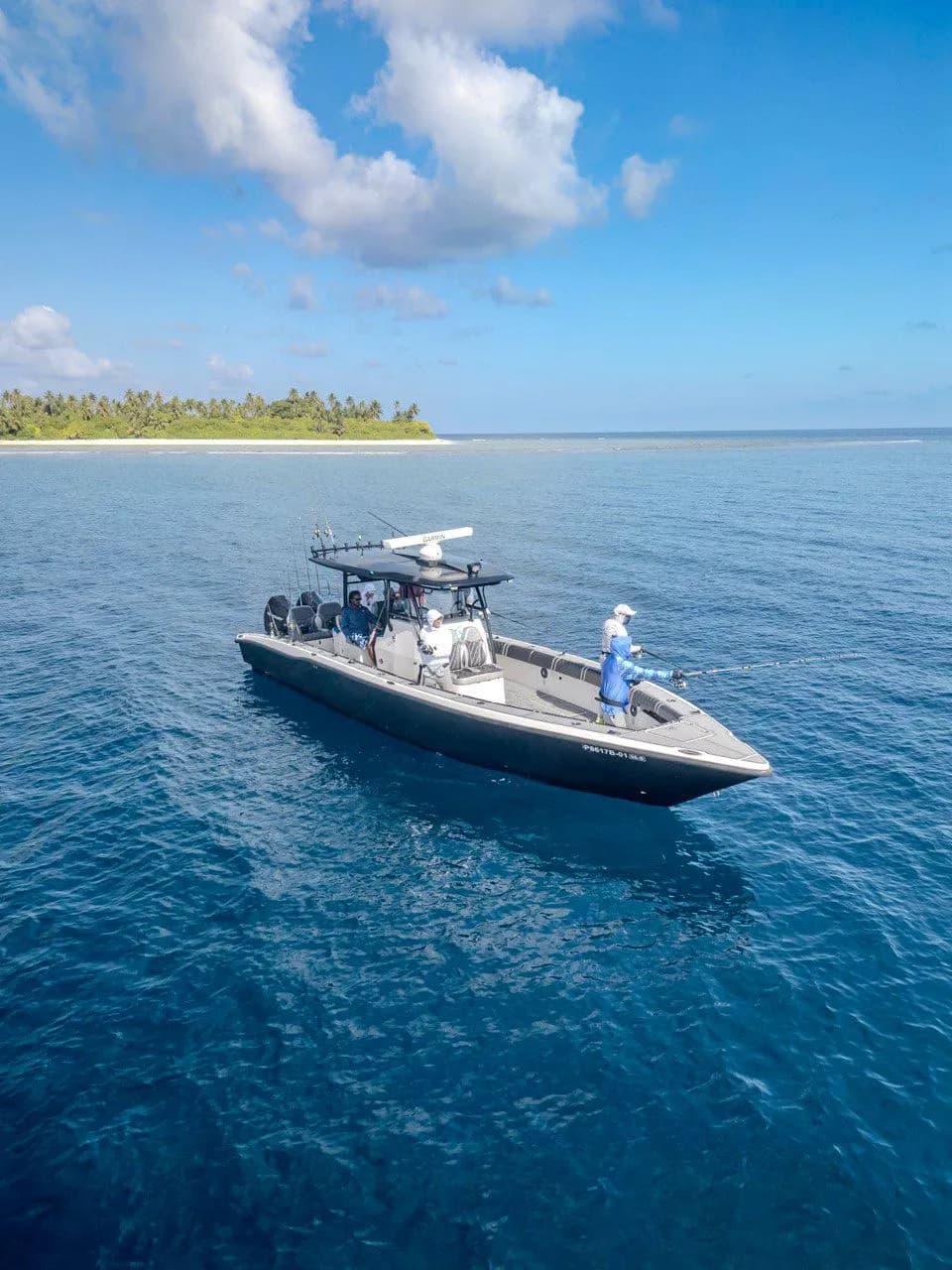
Saltwater fishing is more than just a hobby — it’s a passionate pursuit that combines strength, patience, and a love for the open ocean. Whether you're casting off a rocky shoreline or trolling miles offshore, the reel you choose can make or break your fishing trip.
Choosing the right saltwater fishing reel isn't just about price or branding; it's about matching your gear to your environment, target species, and fishing style. This guide will help you make a confident, informed decision that enhances your performance — and your enjoyment — on the water.
Saltwater environments are brutal. Salt is corrosive, sand gets into everything, and saltwater species hit harder than many freshwater ones.
That’s why a true saltwater reel must be built from corrosion-resistant materials such as:
- Anodized aluminum
- Marine-grade stainless steel
- Carbon fiber or composite frames
These reels also come with sealed drag systems and bearings, keeping water, salt, and debris out of internal components. Freshwater reels simply aren’t designed to survive these conditions — they may fail in a single trip.
These are the most user-friendly and versatile. Great for casting lighter baits over long distances, they’re ideal for species like snook, redfish, flounder, and Spanish mackerel.
Key features to look for:
- Strong, sealed drag system
- High-quality bail arm
- Rust-resistant ball bearings
- Sizes 2500–6000 for most inshore applications
Conventional reels offer more power and better torque. They're best for bottom fishing, jigging, and trolling.
Choose this reel if you’re targeting:
- Amberjack
- Grouper
- Tuna
- Sharks
Look for:
- High drag ratings (25–40 lbs+)
- Lever drag options
- Large line capacity (especially for braid)
Lever drag reels are built for big-game fishing. They provide precise control over drag pressure — essential when fighting species like marlin, sailfish, kingfish, and wahoo.
Perfect for offshore trolling, their drag smoothness and heat resistance make them a top choice for pros.
Here’s what you need to assess when choosing the best saltwater reel for your needs:
- Corrosion Resistance: Salt will eat away cheap reels. Look for anodized finishes and sealed parts.
- Gear Ratio: A 6:1 or higher is fast and good for topwater or fast retrieval. A 4:1 provides torque, better for deep jigging or slow presentations.
- Drag System: Must be smooth, powerful, and sealed. A sticky drag = broken line.
- Line Capacity: Offshore species make long runs. You need hundreds of yards of braid or mono.
- Ball Bearings: More is better, but quality is key. Stainless steel or ceramic, sealed is best.
- Weight and Balance: Long hours on the water? You'll feel every extra ounce. Pick reels that feel comfortable in hand.
An expensive reel won’t save you if it’s mounted on the wrong rod. Here’s how to match your setup:
- A 4000-size spinning reel goes well with a 7-ft medium-action rod and 15–30 lb braid — ideal for inshore casting.
- A conventional reel rated for 50 lb drag pairs with a heavy jigging rod and 65–80 lb braided line — perfect for offshore vertical jigging.
The trio — reel, rod, and line — must work together to create a balanced system. Don’t overlook this.
Inshore Fishing:
- Depth: Typically less than 30 feet
- Location: Bays, estuaries, mangroves, jetties
- Species: Flounder, snook, tarpon, jack crevalle
- Best Reel: 2500–5000 spinning reels with smooth drag
Offshore Fishing:
- Depth: 50–1000+ feet
- Location: Open water, wrecks, reefs
- Species: Tuna, grouper, mahi-mahi, kingfish
- Best Reel: Lever drag or high-capacity conventional reels
Make sure your reel is rated for the kind of fishing you’re doing — don’t bring a light inshore reel into tuna territory.
Saltwater destroys gear fast — even the most expensive models — if not maintained.
After every trip:
- Rinse the reel gently with freshwater (not high pressure)
- Wipe dry with a microfiber towel
- Lubricate handle knobs, spool shaft, and bail arm
- Loosen the drag before storage
Every few months:
- Deep clean your reel or have it professionally serviced
- Check for line wear, especially if using braid
Maintenance is just as important as choosing the right reel. Even the best reels can seize up with neglect.
These manufacturers are proven in saltwater conditions:
- Penn – Rugged, affordable, and ideal for beginners. Try the Penn Slammer IV or Battle III.
- Shimano – Engineering excellence. The Saragosa and Stella are highly regarded among offshore pros.
- Daiwa – Smooth drag and lightweight builds. Check the Saltist or BG MQ.
- Avet – Precision machines, perfect for big-game trolling.
- Okuma – Affordable, durable, and great for newer anglers on a budget.
Always buy from authorized dealers to ensure warranty support and avoid counterfeits.
You don’t need a $1000 reel to catch fish, but you do need a reliable one.
- Entry-level: $70–$150 – Great for weekend warriors, inshore spinning
- Mid-range: $200–$400 – Excellent drag, better bearings, sealed components
- High-end: $500+ – Best for offshore, big game, or heavy daily use
Don’t fall for gimmicks. Drag smoothness, frame durability, and water resistance matter more than brand hype.
Saltwater fishing is unforgiving. The weather changes, the fish fight dirty, and your gear is always on the edge. But with the right fishing reel, built for the challenge, you're ready.
Whether you're stalking flats for redfish or braving offshore waters for monster yellowfin, your reel is your weapon. Choose one that matches your mission — and treat it with care.
🎣 Ready to upgrade your saltwater setup?
Browse Just Fishing Group’s curated collection of high-performance saltwater reels — engineered for durability, power, and precision in Gulf waters.
Even experienced anglers sometimes overlook key aspects when shopping for a saltwater reel. One common mistake is choosing a reel based solely on appearance or marketing rather than performance. A reel may look rugged and flashy but may not have a sealed drag system or corrosion-resistant bearings. Another frequent error is underestimating the importance of line capacity. Offshore fish are known for long, powerful runs, and without sufficient line, you risk losing the fight.
Additionally, many anglers purchase reels that are too large or too heavy for their typical fishing style. Oversized reels can create fatigue, especially when casting repeatedly or fishing for long hours. Make sure the reel you select is appropriate for both the species you target and the duration of your trips.
Your preferred fishing technique should guide your reel selection. If you enjoy casting lures from shore, a lightweight spinning reel with a high gear ratio offers great casting distance and quick retrieval. For jigging in deep water, a conventional reel with a slower gear ratio provides better torque to lift fish from depth. If you're trolling behind a boat, a lever drag reel with high line capacity and a multi-disc drag system is ideal.
Matching your reel to the technique ensures efficiency, reduces fatigue, and increases your chances of landing more fish. It also helps you get the most out of your investment, as specialized reels are designed to enhance specific methods.
Sustainable fishing practices are becoming more important in today’s angling community. When choosing your saltwater reel and associated gear, consider the impact of your equipment on the environment. Reels that reduce line tangles and allow for quicker, cleaner releases can help minimize injury to fish you plan to release. Also, opt for braided lines that last longer and reduce waste over time.
Support brands and manufacturers that adhere to sustainable production practices. Responsible angling is about more than just catching fish — it's about preserving the oceans and habitats we love for future generations.
Whether you're just starting your saltwater fishing journey or you're a seasoned angler looking to upgrade your gear, taking the time to learn about reel mechanics, materials, and features will set you apart. Knowledge is the most powerful tool in your tackle box. The more you understand your equipment, the better you can adapt to changing conditions and capitalize on opportunities when fish strike.
Remember: your reel isn't just a tool — it’s your direct connection to the underwater world.
Rate this blog
Categories
Popular Tags