Address: M5, Al Naumi Tower , Al Mina Road, Al Zahya Area, Abu Dhabi City, UAE
Email: support@justfishinggroup.com
Store Hours: 10:00 - 18:00, Mon - Sat
Legal
© 2025 JustFishing. All Rights Reserved.


Address: M5, Al Naumi Tower , Al Mina Road, Al Zahya Area, Abu Dhabi City, UAE
Email: support@justfishinggroup.com
Legal
© 2025 JustFishing. All Rights Reserved.
Game Fishing Workflow: Build Your System in 2026
June 22, 2026, 138
TL;DR:
- A structured fishing workflow involves thorough pre-trip planning, on-water observation, and detailed logging to increase success rates. Using tiered tackle systems and adapting techniques based on real-time conditions helps anglers optimize their catches and reduce wasted effort. Consistent data collection over seasons enables refinement of patterns and locations, building long-term fishing proficiency.
A game fishing workflow is a systematic approach to planning, executing, and refining fishing trips so you catch more fish with less wasted effort. Most anglers fish reactively, chasing conditions and switching gear on instinct. The anglers who consistently outperform them use structured methods: logbooks, weather analysis, tiered tackle systems, and real-time condition reading. Tools recommended by resources like Flyloops and Executive Angler show that data-driven preparation separates productive sessions from frustrating ones. This guide breaks down every stage of that process so you can build a repeatable system that works across species, seasons, and destinations.
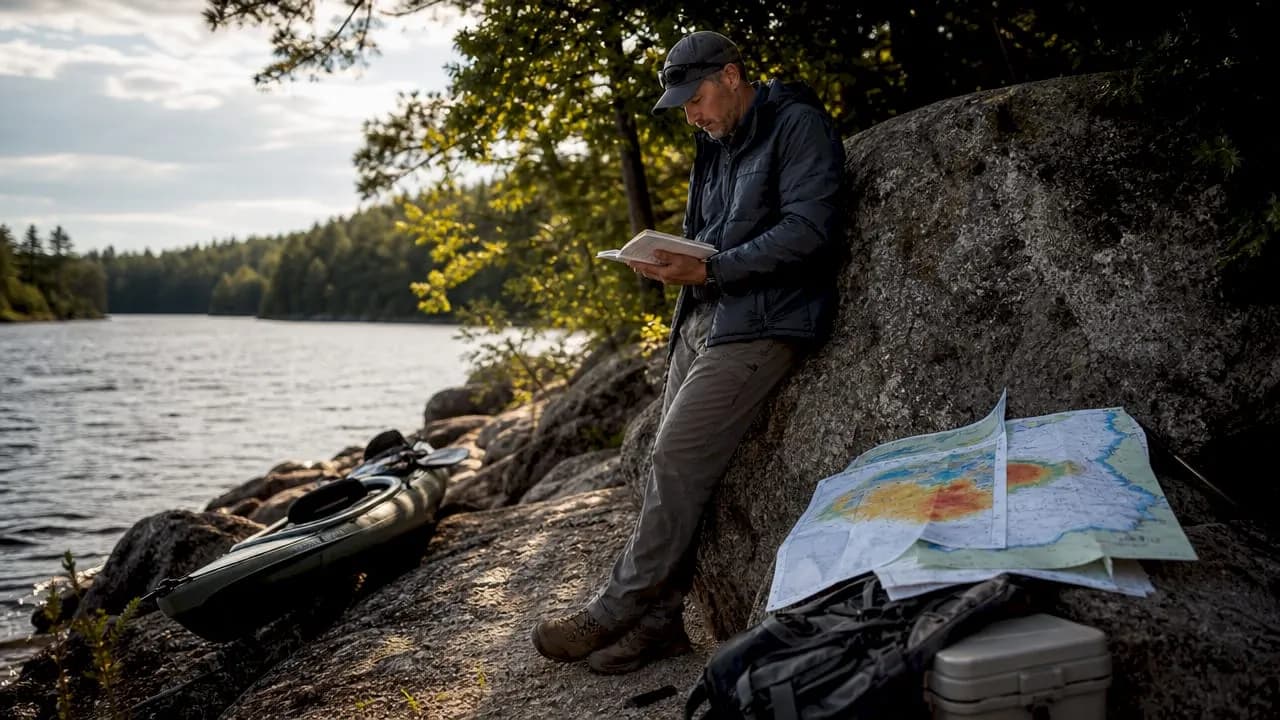
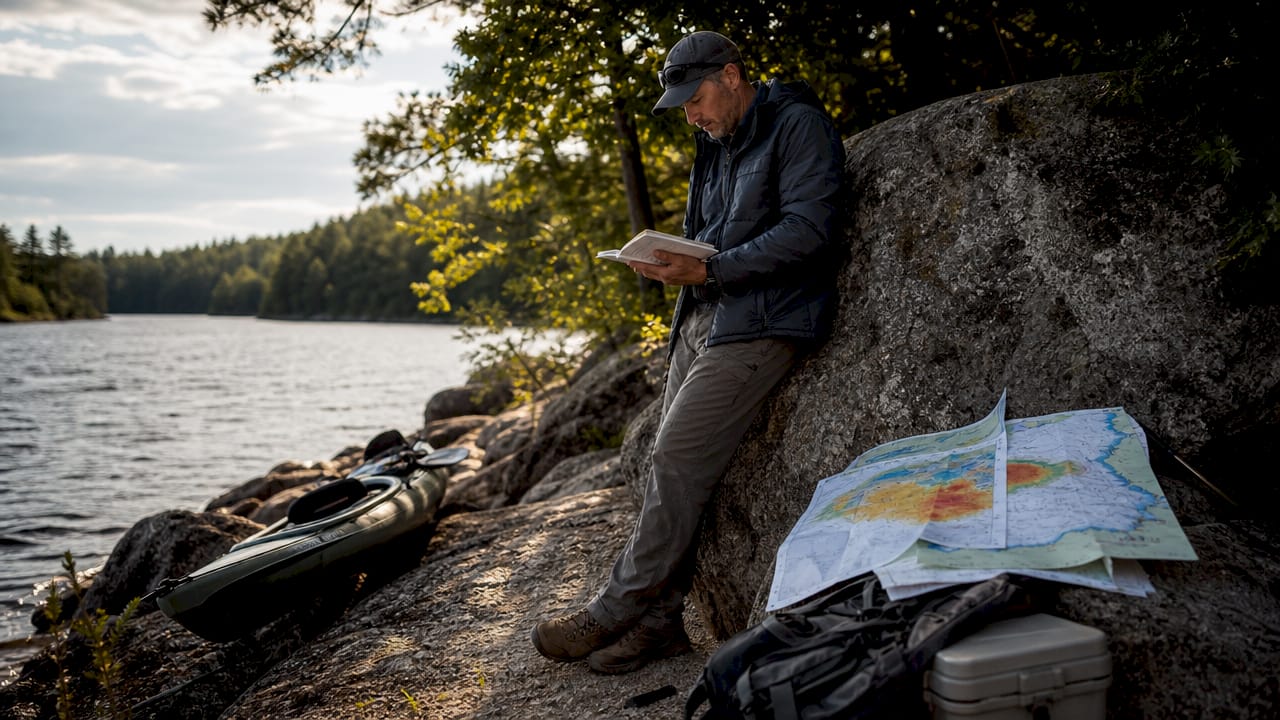
A productive game fishing workflow starts before you ever reach the water. The preparation phase determines 60% of your session outcome. Anglers who skip it spend the first hour of every trip making decisions they could have resolved at home.
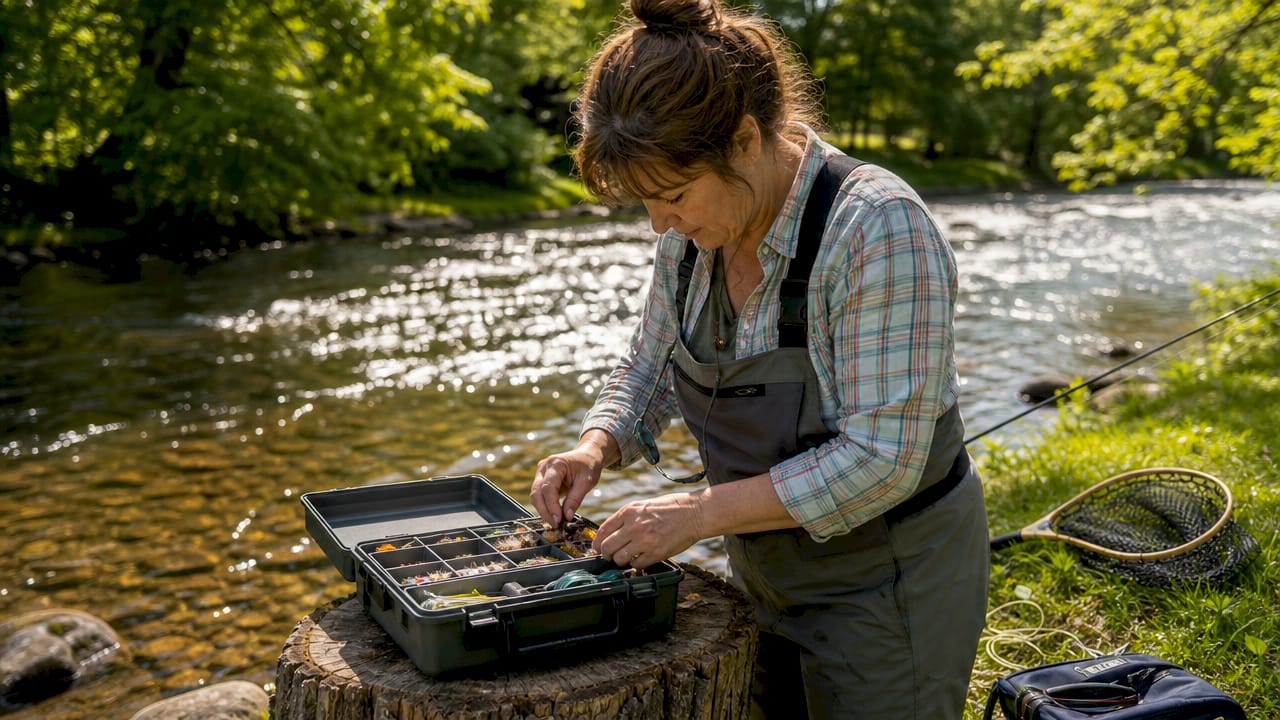
The core toolkit for any serious angler includes:
Water temperature is the single most predictive variable in freshwater fly fishing success. Recording it alongside catch data over a full year reveals the exact temperature ranges where your target species feed most aggressively. That data becomes your most reliable pre-trip filter. If conditions fall outside the productive range, you adjust location or timing rather than grinding through a slow session.
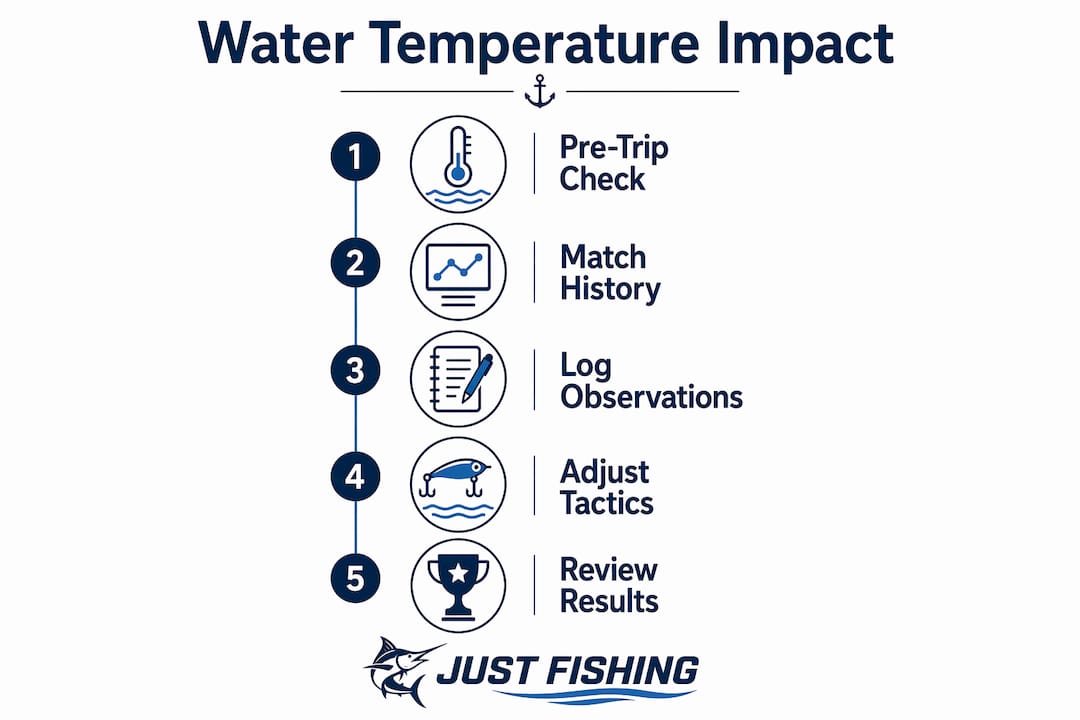
| Pre-Trip Check | What to Look For | Why It Matters |
|---|---|---|
| Water temperature | Match to historical productive range | Predicts fish feeding activity |
| Barometric pressure | Stable or slowly falling | Consistent fish movement |
| Flow and clarity | Normal to slightly off-color | Fish hold in predictable spots |
| Wind forecast | Light to moderate | Easier presentation, less spooking |
Pro Tip: Review your logbook entries from the same location and season before every trip. Knowing which flies worked, what the water temperature was, and how conditions compared gives you a concrete starting point instead of a blank slate.
Reading conditions on the water is a skill most anglers undervalue. They arrive, rig up, and start casting within minutes. The professionals do the opposite.
Spend the first five minutes observing before making a single cast. Watch for rising fish, insect activity, surface disturbances, and structural features like seams, eddies, and drop-offs. This prevents spooking fish and tells you exactly where to start. Rushing that step is the most common mistake beginners make, and plenty of experienced anglers still make it.
Fish position themselves based on four variables: current speed, depth, structure, and temperature. Trout hold in seams where fast and slow water meet because food concentrates there. Predatory species like trevally and GT stack near drop-offs and current edges in saltwater. Understanding these patterns means you fish the right water first, not the water that looks good from the bank.
Work through each feature systematically before moving on. Patterns in fish location emerge clearly after 10–20 visits to the same water. Anglers who rush from spot to spot miss the subtle structure that holds the most fish.
Top anglers switch fluidly between dry fly, nymphing, and streamer tactics based on water feedback rather than personal preference. If you see surface rises, a dry fly or emerger is the logical choice. No surface activity and cold water usually means nymphing deep. Murky water or aggressive predators call for streamers with movement and flash.
The most common pitfall is relying on a favorite method regardless of conditions. Effective technique switching depends on continuous reading of water and fish behavior, not stubborn loyalty to a single approach.
Pro Tip: Keep a small waterproof notepad or use a phone app to log conditions mid-session. If you hit a productive run, record the time, temperature, fly, and technique immediately. Memory fades fast after a long day on the water.
A structured session workflow turns observation into action. Here is the sequence that consistently produces results:
| Session Stage | Key Action | Common Mistake |
|---|---|---|
| Arrival | Observe before casting | Rigging up and casting immediately |
| Fly selection | Start with Kill Box patterns | Opening all boxes and second-guessing |
| Technique switch | Change one variable at a time | Changing fly and location simultaneously |
| Logging | Record conditions and catches live | Relying on end-of-day memory |
| Move decision | Work feature fully before relocating | Moving after two or three casts |
Logging fly selection against catches reveals that a small number of patterns account for most fish. That insight simplifies your boxes and sharpens your confidence on the water.
Pro Tip: Set a phone timer for 20 minutes when you start fishing a new feature. When it goes off, consciously evaluate whether to stay or move rather than drifting into either habit.
Tackle management is where most anglers lose time and confidence during a session. Standing at the water debating which fly to tie on is decision fatigue in action. A tiered system eliminates that friction.
The Kill Box tier system from Executive Angler organizes flies by confidence level rather than by pattern type or size. The logic is simple: your best flies should be the easiest to reach.
Managing transfers between tiers is the active part of tackle management. After each session, review your logbook and promote flies that produced results into the Kill Box. Demote patterns that consistently underperformed. This keeps your Kill Box current and prevents it from becoming a collection of sentimental favorites that no longer earn their place.
The compounding advantage of data-driven workflows shows up most clearly in tackle management. Anglers who log results build a precise picture of which patterns work in which conditions over seasons, not just single trips. That knowledge is impossible to replicate through memory alone.
A lean, well-organized tackle setup also reduces the physical load on a trip. Carrying three focused boxes beats hauling a bag of every pattern you own. For anglers targeting species like tuna or amberjack in deeper water, the same tiered logic applies to jigs and lures. The CB One Octagon deep water jigs are a strong example of a high-confidence pattern worth anchoring in your primary selection when conditions call for vertical jigging.
The biggest shift in my fishing came when I stopped treating each trip as a standalone event and started treating it as one data point in a longer series. Before I kept a logbook, I repeated the same mistakes across seasons without realizing it. I would fish the wrong temperature windows, stick with flies that had stopped producing, and move spots too quickly because I had no baseline to compare against.
The discipline of observing before casting felt unnatural at first. Five minutes of stillness when you are eager to fish is harder than it sounds. But the information you gather in those five minutes consistently outweighs an extra five minutes of blind casting. I have watched anglers spook entire runs by wading in without looking, then wonder why the water went quiet.
The tools matter less than the habit. A paper logbook and a cheap thermometer outperform a sophisticated app you never check. Top anglers prioritize adaptability to changing conditions over any single method or piece of equipment. That principle holds whether you are fishing for trout in a mountain stream or targeting GT on a saltwater flat. Build the system, trust the data, and stay flexible when conditions surprise you. They always will.
— Alaa
Justfishinggroup carries the tackle and gear that make a structured workflow practical, not just theoretical. From tiered tackle storage to proven lures for technique switching, the right gear removes friction from every stage of your session.
The MEIHO fishing tackle box is built for anglers who take organization seriously, with compartment layouts that map directly to a tiered fly box system. For lure selection, the Savage Gear Minnow Jig and the Fish Art Torpedo Jig are high-confidence patterns worth anchoring in your primary selection. Browse the full range of fishing gear and tackle at Justfishinggroup, or explore guided fishing trips across the Maldives, UAE, Seychelles, and beyond to put your workflow into practice in world-class destinations.
A game fishing workflow is a structured system covering pre-trip planning, on-water observation, tactical execution, and post-session logging. It replaces reactive fishing with a repeatable process that improves results over time.
Check weather and flow forecasts 3–5 days before your trip. Stable barometric pressure and mild temperatures create the most consistent fish activity, so plan around those windows rather than chasing marginal conditions.
The Kill Box is the top tier in a three-tier fly box system. It holds 12–20 high-confidence flies with the best proven catch rates, keeping your most effective patterns immediately accessible during a session.
Water temperature is the single most predictive variable in freshwater fly fishing success. Logging temperature alongside catches over a full season reveals the exact ranges where your target species feed most actively.
Log catches and conditions during the session or within 30 minutes of finishing. Memory degrades quickly after a long day, and accurate data is what makes the logbook useful for future trip planning and fly selection.
A structured game fishing workflow built on pre-trip data, disciplined observation, tiered tackle management, and consistent logging produces compounding improvements in catch rates across every season.
| Point | Details |
|---|---|
| Prepare before the trip | Check water temperature, pressure, and flow 3–5 days out and review past logbook entries. |
| Observe before casting | Spend five minutes watching rises, structure, and insect activity before making your first cast. |
| Use a tiered tackle system | Organize flies into Kill Box, Support Box, and Archive to reduce on-water decision friction. |
| Switch techniques based on conditions | Change dry fly, nymphing, or streamer tactics based on real-time water feedback, not habit. |
| Log every session consistently | Recording catches and conditions builds a data advantage that compounds across seasons. |
Rate this blog
Categories
Popular Tags