


Discover your fishing style: types of anglers explained
TL;DR:
- Choosing the right fishing experience depends on understanding your fishing style, commitment level, and preferred environment. Recognizing whether you favor bait, spin, fly, or ice fishing helps tailor trips, gear, and techniques to match your personality and skill. Many anglers benefit from exploring different methods, as cross-learning enhances skills and enriches overall fishing enjoyment.
Choosing the right fishing experience can feel overwhelming when you’re staring at a world full of options, from crystal-clear flats in the Maldives to frozen lakes in the northern wilderness. Most anglers don’t realize that what separates a forgettable trip from a life-changing one isn’t just the destination. It’s how well the experience matches who you actually are as a fisherman. When you understand your own fishing enthusiast type, you make smarter trip decisions, build skills faster, and come home with better stories. This article breaks down the main types of fishing enthusiasts so you can plan your next adventure with real clarity.
Table of Contents
- How to identify your fishing style
- Popular types of fishing enthusiasts by method
- Comparing enthusiast types: methods, gear, and commitment
- Which fishing type fits your travel goals?
- Why enthusiast labels matter less than experiences
- Ready to find your next fishing adventure?
- Frequently asked questions
Key Takeaways
| Point | Details |
|---|---|
| Know your angler type | Identifying your fishing method and commitment level helps you plan trips and target skills. |
| Methods shape experiences | Bait, spin, fly, and ice fishing each deliver different challenges, rewards, and gear needs. |
| Gear matters | Choosing the right equipment boosts your enjoyment and success in any fishing style. |
| Experiment and grow | Mixing fishing methods can lead to new adventures and a more satisfying angling journey. |
How to identify your fishing style
Before you can choose the right trip or gear, you need to know what kind of angler you are. Fishing enthusiast types are shaped by a handful of core factors: the method you use, your personality and temperament on the water, how often you fish, the gear you gravitate toward, and how seriously you take the craft.
Anglers can be categorized by fishing method (how they fish), including bait fishing, spin fishing, fly fishing, and ice fishing. But method alone doesn’t tell the whole story. A spin angler who fishes once a year for fun is living in a completely different world from one who trains their casting technique weekly and studies lure behavior obsessively.
Commitment level plays a huge role. A common enthusiast split is by dedication and frequency, ranging from the infrequent or casual angler all the way to the hard-core specialist who structures vacations entirely around fishing seasons.
Here are the primary factors that define your fishing enthusiast type:
- Method: Bait, spin, fly, ice, trolling, or other capture styles
- Temperament: Do you prefer slow, meditative sessions or fast-paced action?
- Frequency: How often do you fish, and is it seasonal or year-round?
- Gear investment: Do you run basic tackle or do you collect specialty rods and reels?
- Skill focus: Are you happy catching fish any way you can, or do you chase technique mastery?
Pro Tip: Keep a simple fishing journal noting what method you used, how you felt during the session, and what you’d change next time. After a few outings, patterns in your preferences will start to emerge clearly.
Your gear choices also reveal a lot about your type. Beginners and casual anglers often gravitate toward simple spinning setups because they’re forgiving and versatile. Dedicated fly anglers invest heavily in casting practice, leaders, and fly boxes. Knowing where you fall on this spectrum immediately narrows down which trip environments, guide services, and gear categories will actually serve you.
Popular types of fishing enthusiasts by method
With the main selection criteria set, let’s meet the top enthusiast types based on fishing method. Each one carries its own culture, gear philosophy, and experience on the water.
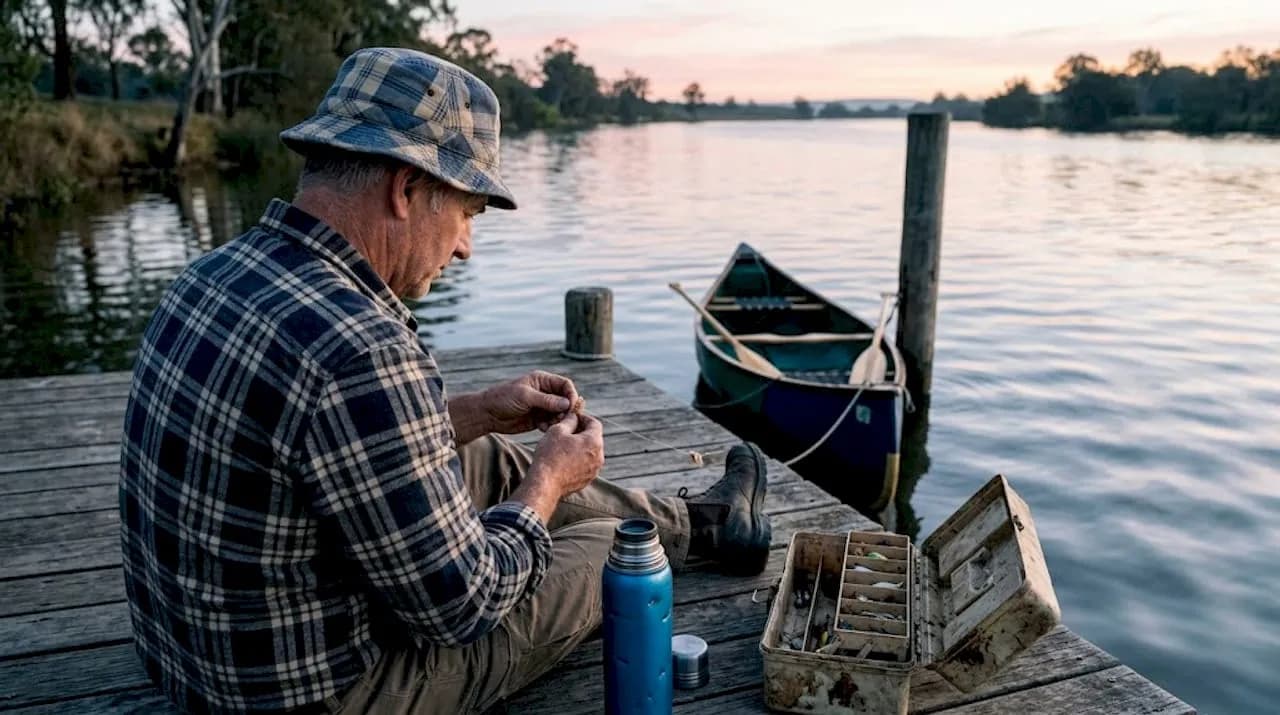
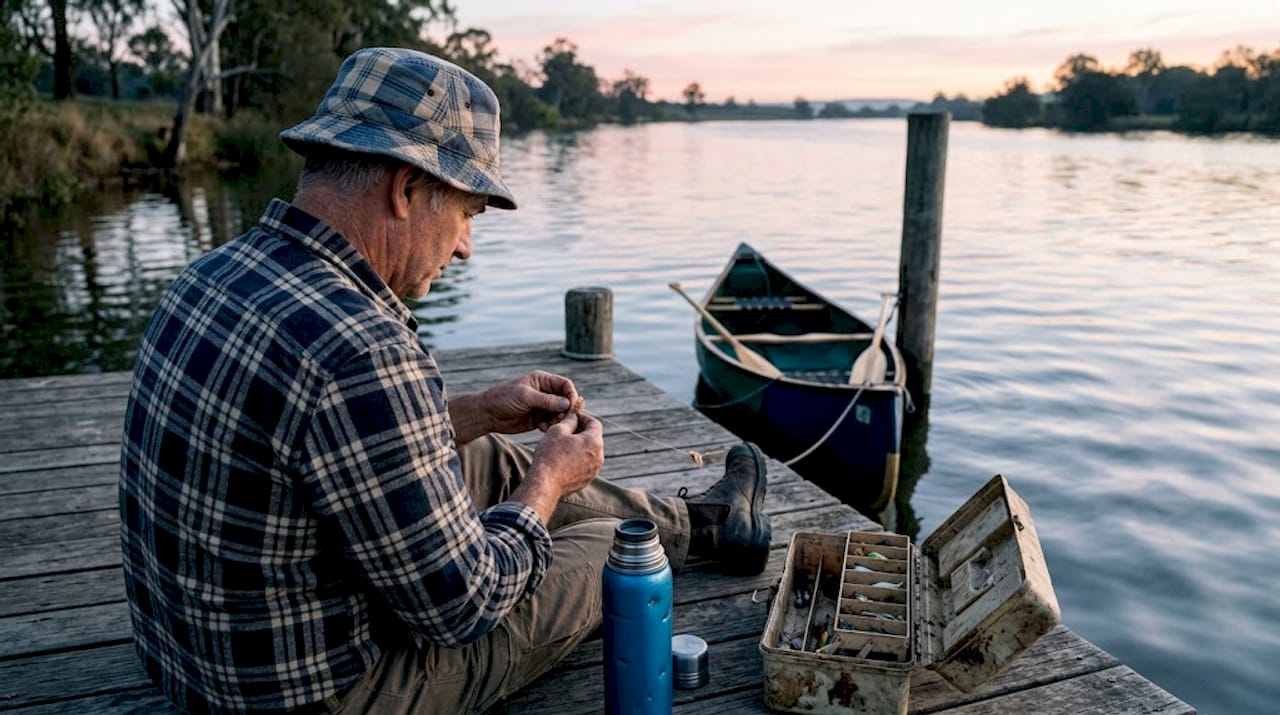
Bait anglers are the most common type worldwide. They use natural, live, or prepared bait to attract fish. This is an accessible entry point for beginners but also a deeply practiced craft for veterans who know exactly which bait triggers which species in which conditions. Bait fishing rewards patience and local knowledge.
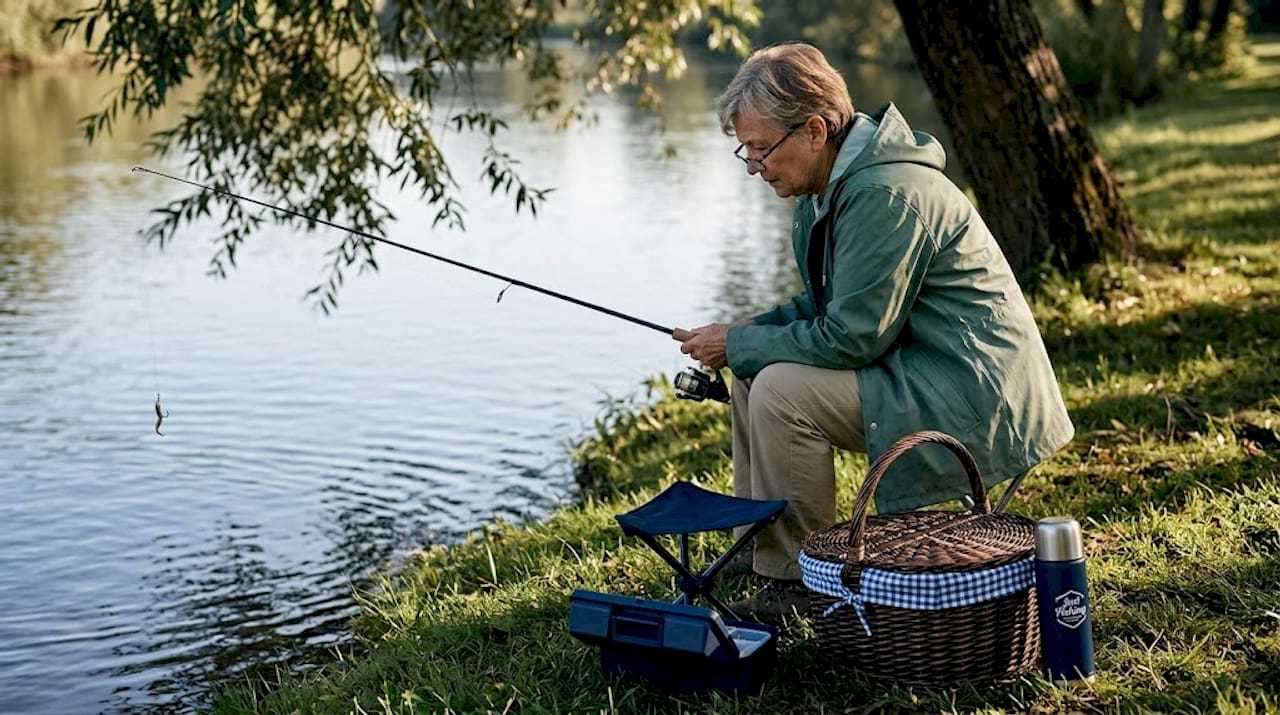
Spin anglers form one of the most versatile and globally widespread groups. They rely on lures, soft plastics, and hard baits cast with spinning or baitcasting setups. Spin fishing suits anglers who love the active feel of working a lure and covering a lot of water. The method translates well across freshwater and saltwater environments, from shallow flats to deep offshore structures. If you love experimenting with different lures, carbon elite rods offer the sensitivity and responsiveness to feel every subtle strike and change in current.
Fly anglers are among the most technique-driven enthusiasts in the sport. Fly fishing demands mastery of casting mechanics, reading water, entomology (matching the hatch), and delicate presentation. It’s a method with a steep learning curve that becomes deeply rewarding once things click. Fly fishing communities are passionate and tight-knit, and the method works in everything from chalk streams to tropical saltwater flats.
Ice anglers occupy a completely different sensory world. Fishing through a hole in a frozen lake requires specialized gear like augers, tip-ups, and insulated shelters. It’s as much about survival skills and comfort management as it is about technique. Ice fishing is intensely seasonal and regional, creating a specific subculture with its own rituals and camaraderie.
Beyond these four primary types, recreational fishing technique types also include trolling, spearfishing, and trapping, each with its own equipment and approach taxonomy distinct from traditional angling.
Here’s a quick snapshot:
| Enthusiast type | Core appeal | Best suited for |
|---|---|---|
| Bait angler | Simplicity, patience | Beginners and traditionalists |
| Spin angler | Versatility, active casting | All experience levels |
| Fly angler | Technique mastery | Dedicated skill-builders |
| Ice angler | Seasonal adventure | Cold-climate enthusiasts |
| Troller | Deep water, big species | Offshore and open-water fans |
| Spearfisher | Underwater immersion | Divers and adventure seekers |
Terminal tackle matters too. Spin and lure anglers targeting fast-moving pelagic species benefit enormously from quality connection points like single assist hooks, which reduce missed strikes and improve landing ratios on hard-fighting fish.
Pro Tip: If you’re shopping gear for someone else or treating yourself, check out a solid fishing gear gift guide to find items that align with specific angler types rather than buying generic tackle.
Most anglers don’t stay locked into one type forever. Many spin anglers eventually get curious about fly fishing. Many bait anglers pick up lure techniques on certain trips. What matters is knowing where you are right now so you can build from a clear foundation.
Comparing enthusiast types: methods, gear, and commitment
Having described the core enthusiast types, let’s see how they compare head-to-head in terms of gear, skill, and commitment. This comparison helps you match your current level with a realistic trip goal.
| Method | Preferred environment | Skill level | Essential gear | Typical trip goal |
|---|---|---|---|---|
| Bait fishing | Rivers, lakes, nearshore | Beginner to intermediate | Rod, reel, natural bait, hooks | Relaxed fishing, high catch volume |
| Spin fishing | Freshwater and saltwater | Beginner to advanced | Lures, spinning or casting rod | Active casting, species variety |
| Fly fishing | Streams, flats, lakes | Intermediate to expert | Fly rod, reels, flies, leaders | Technique mastery, selective fishing |
| Ice fishing | Frozen lakes | Beginner to intermediate | Auger, tip-ups, ice shelter | Unique experience, winter adventure |
| Trolling | Open water, offshore | Intermediate to advanced | Downriggers, sonar, heavy rods | Big game species, distance |
| Spearfishing | Reefs, open ocean | Advanced | Speargun, wetsuit, diving gear | Underwater hunting, sport |
Trolling deserves special attention because it operates in a completely different dimension from surface-based angling. Trolling is a distinct technique involving precise control of depth, speed, and often sonar use to locate and target fish holding at specific water columns. It’s particularly effective for large pelagics like tuna, wahoo, and marlin. Anglers who love technology and enjoy reading sonar screens while covering open water tend to thrive in this category.
Ice fishing requires a unique combination of skills that go beyond simply drilling a hole. You need to understand how fish behave under ice, manage cold-weather safety, and read subtle jig bites through a short rod without the benefit of a long cast to telegraph strikes. It’s a meditative practice that many anglers find deeply satisfying. For ice and freshwater spin anglers who want a performance edge, blackfin solo rods deliver the right blend of sensitivity and backbone for detecting soft takes.
Fly fishing sits at the top of the skill and commitment scale for most people. Dedicated fly anglers invest years into perfecting their double haul, understanding tippet selection, and reading current seams. Those who commit to it often describe the method as transforming how they see rivers and fish behavior entirely. For saltwater fly fishing on flats, anglers looking for added power and distance during long-distance presentations will find fin legacy rods a strong match for the demands of tropical species.
Here’s what separates committed enthusiasts from casual ones regardless of method:
- Regular practice between trips, not just fishing during vacations
- Understanding the biology and behavior of target species
- Investing in quality gear appropriate to the technique
- Seeking out coaching, clinics, or guided experiences to accelerate growth
- Actively researching locations, seasons, and conditions before booking
For anglers who want to organize their gear and keep tackle accessible on the water, exploring bass fishing accessories can reveal smart storage solutions that apply across multiple fishing styles.
Which fishing type fits your travel goals?
With key differences clear, here’s how to connect your personality and travel vision with the fishing style that suits you best.
Tackle and casting mechanics differ across bait, spin, fly, and ice fishing, which means the skill-building path and the type of destination that makes sense for you also differ. Matching your enthusiast type to a trip isn’t just about picking a pretty location. It’s about ensuring the experience actually delivers on what you want to feel and learn.
Follow this decision framework to find your match:
Define your excitement threshold. Do you want constant action, or are you comfortable waiting long periods for one great bite? Bait anglers and trollers often deal in volume and patience; spin and fly anglers tend to stay more active on the water.
Be honest about your skill level. Fly fishing a remote permit flat demands confident casting ability. Booking that trip as your first fly fishing experience sets you up for frustration. Consider a guided spin fishing trip to the same region first to build local knowledge before adding technique complexity.
Match your time window. Ice fishing trips are seasonal and require very specific timing. Fly fishing certain rivers during a hatch window might mean a narrow 2-week slot per year. Spin and bait fishing offer the widest flexibility across seasons and destinations.
Consider the social dynamic. Some enthusiast types are solo pursuits by nature (float tube fly fishing, spearfishing) while others are deeply social (ice fishing shanty culture, offshore trolling with a crew). Choose a style that matches how you like to experience the outdoors.
Think about skill growth. If your goal is rapid improvement, guided fly fishing clinics or structured spin casting workshops deliver more structured feedback than casual bait fishing days.
Pro Tip: If you’re booked on a spin fishing trip in saltwater and want to add some excitement to your lure game, try a marinegan lure for its erratic, realistic swimming action that draws reaction strikes from a wide range of pelagic species.
Spin fishing remains one of the most adaptable starting points because it bridges nearly every other style. You can go from largemouth bass methods in freshwater one season to chasing giant trevally on saltwater flats the next with similar fundamental skills and overlapping gear categories.
Why enthusiast labels matter less than experiences
Here’s a perspective that most fishing content won’t say out loud: the categories we’ve been discussing are useful maps, but they are not the territory. The most memorable anglers we’ve encountered across destinations from Oman to the Seychelles aren’t people who stayed rigidly loyal to one method. They’re people who showed up curious and willing to be beginners again.
A nuanced view of angler categories notes that recreational versus commercial distinctions imply different skill and goal models, but even within recreational fishing, those labels break down fast in real-world practice. A dedicated fly angler who picks up a spinning rod on a windy day isn’t betraying their identity. They’re adapting, and adaptation is where growth actually happens.
The anglers who catch the most fish over a lifetime are usually not the ones who mastered one method deepest. They’re the ones who cross-pollinated their knowledge. A fly angler who understands trout feeding behavior brings a completely different perspective to a bass lure session. A bait angler who switches to lures suddenly realizes how much they already understand about presentation and timing.
There’s also a social truth here that doesn’t get discussed enough. Some of the most valuable parts of fishing trips have nothing to do with technique. It’s the morning shared with a local guide who grew up on that water. It’s the moment another angler on the boat points out a feeding tailing fish you almost missed. The enthusiast label you carry is a starting point for conversations, not a ceiling on what you can become.
Our honest advice: use these categories to choose your next trip wisely, then deliberately try something outside your comfort zone once you’re there. The overlap between enthusiast types is where real fishing education happens.
Ready to find your next fishing adventure?
Now that you’re equipped with the insights to identify your fishing type, it’s time to turn knowledge into action.
At JustFishing Group, we’ve built an entire platform around matching anglers with the right experiences. Whether you’re a spin fishing enthusiast eyeing the bluewater grounds off Socotra, a fly angler dreaming of the Seychelles flats, or someone just beginning to figure out their style, our fishing trips catalog covers destinations that speak to every method and ambition level. Pair your chosen style with performance-ready tackle, including crowd favorites like the torpedo jig for offshore action, and back it all up with gear from the world’s best top fishing brands available in our online store. Your next great fishing memory starts with one good decision.
Frequently asked questions
What are the main ways to classify fishing enthusiasts?
Fishing enthusiasts are often grouped by technique, such as bait, spin, fly, and ice fishing, and by their commitment level, ranging from casual to hard-core anglers who structure their lives around the sport.
How does trip selection change by fishing style?
Trip planning shifts based on the equipment each method requires, the skill level expected, and the experience the angler is chasing, since tackle and casting mechanics differ significantly across fishing types and determine which destinations and guides will be the right fit.
Can a fishing enthusiast use multiple methods?
Absolutely. Many anglers blend methods over time as they gain confidence and travel to new destinations, and these categories can overlap naturally as recreational anglers adapt their approach based on conditions, species, and seasonal opportunities.
Are there regional trends in fishing enthusiast types?
Yes, certain techniques like ice fishing are inherently regional because they depend on specific environmental conditions, while spin and fly fishing are globally practiced and accessible across a wide range of climates, habitats, and destinations from the tropics to the subarctic.