


Complete Fly Fishing Equipment List for Every Angler
TL;DR:
- Proper fly fishing gear and organization are essential for a successful and ethical experience.
- Key equipment includes a rod, reel, line, polarized sunglasses, and essential accessories like forceps and nippers.
- Investment in quality, comfort, and organization of gear improves performance more than brand or price.
Showing up to a river without the right gear is like arriving at a dinner party without shoes. You can make it work, but something will feel off the entire time. Fly fishing rewards preparation more than almost any other form of angling, and even seasoned anglers occasionally forget one small tool that ruins an otherwise perfect day. Whether you’re heading to a chalk stream in England or booking a trip through the Maldives or Oman, knowing exactly what to pack before you leave is the difference between a memorable session and a frustrating one. This guide covers everything you need, from rods to nippers, so you never head out underprepared again.
Table of Contents
- How to choose your essential fly fishing equipment
- The complete fly fishing equipment list
- Accessories and tools: What makes a real difference
- How to organize and transport your gear
- A seasoned angler’s take: Gear matters more than brand or price
- Get ready for your next trip with quality gear
- Frequently asked questions
Key Takeaways
| Point | Details |
|---|---|
| Essential gear matters | Investing in a complete, quality equipment kit leads to a safer, more enjoyable fly fishing experience. |
| Accessories enhance results | Small tools like nippers, forceps, and polarized sunglasses dramatically improve convenience and success on the water. |
| Prioritization saves money | Understanding your needs lets you buy only what enhances your fishing, avoiding unnecessary expenses. |
| Organization prevents headaches | Smart storage ensures your equipment is ready and nothing is left behind for each fishing trip. |
How to choose your essential fly fishing equipment
Before you start buying gear, it helps to understand why each category exists and what it does for you on the water. Fly fishing is different from conventional fishing because the line itself carries the weight, not the lure. That changes everything about how you select your rod, reel, and line setup.
The five core categories every angler must address are:
- Rod: Matched to the target species and environment. A 9-foot, 5-weight rod is the most versatile starting point for trout fishing.
- Reel: Holds your backing, fly line, and leader. For most freshwater fishing, a simple click-and-pawl or basic disc drag reel works fine.
- Line: The most critical connection between you and the fish. Weight-forward floating lines suit most beginners and intermediate anglers.
- Flies: Matched to what fish are actively eating. Carry a mix of dry flies, nymphs, and streamers to cover different feeding behaviors.
- Essential accessories: Nippers, forceps, polarized sunglasses, a landing net with rubber mesh, floatant, and strike indicators form the core toolkit every angler should carry.
When prioritizing your purchases, think about where you’ll fish most often. Saltwater environments demand corrosion-resistant reels and heavier rods. Freshwater streams call for lighter, more precise setups. If you travel frequently across different destinations, versatile mid-weight gear is your best investment.
Pro Tip: Start with a 5-weight or 6-weight rod and a weight-forward floating line. This combination covers trout, bass, and even light saltwater species, giving you flexibility without buying multiple setups right away.
Also consider the top fishing brands that offer reliable starter kits, which bundle compatible rods, reels, and lines together. Buying a matched kit early on saves you from the common mistake of pairing mismatched gear that performs poorly even when each piece is individually decent.
Fitness and comfort matter too. A rod that feels heavy after two hours of casting will hurt your technique and your enjoyment. Always hold a rod before buying if possible, and check the grip style to make sure it suits your hand size.
The complete fly fishing equipment list
Once you know what categories to focus on, use this checklist to make sure nothing gets left behind. Think of it as your pre-trip ritual.
Core essentials (numbered by priority):
- Fly rod (matched to target species and water type)
- Fly reel (with appropriate drag system)
- Backing (20-30 lb Dacron, fills the reel spool)
- Fly line (weight-forward floating for most situations)
- Leader (tapered, 7.5 to 9 feet for most freshwater use)
- Tippet (for extending leader life and matching fly size)
- Flies (dry flies, nymphs, streamers, and emergers)
- Polarized sunglasses (protect eyes and reveal fish under the surface)
- Forceps or hemostats (for safe, quick hook removal)
- Nippers or line clippers (for trimming tippet and leader)
- Floatant (keeps dry flies riding high on the surface)
- Strike indicators (for nymph fishing under the surface)
- Landing net with rubber mesh
- Waders and wading boots
- Fishing vest or sling pack
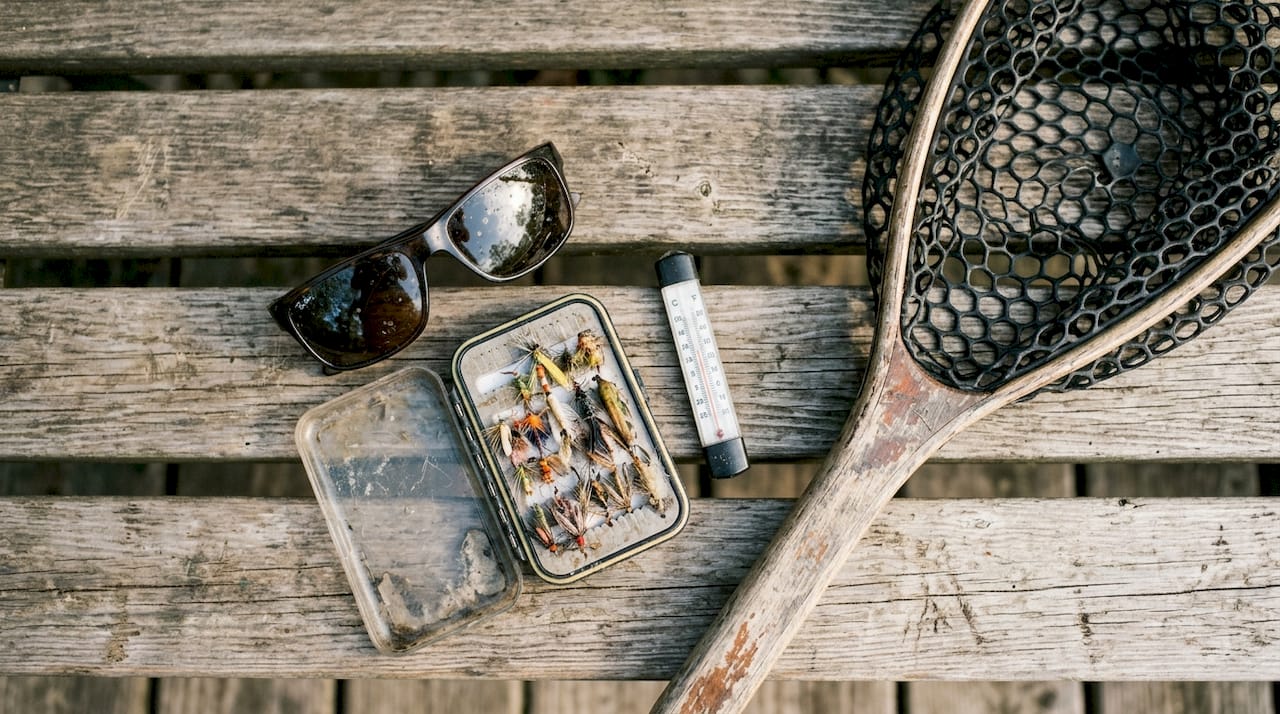
Polarized sunglasses reduce glare dramatically, and a soft rubber mesh net minimizes fish injury during catch-and-release. Both belong on the essentials list, not the optional one.
| Item | Essential | Optional/Nice to have |
|---|---|---|
| Fly rod and reel | Yes | |
| Fly line, leader, tippet | Yes | |
| Polarized sunglasses | Yes | |
| Forceps and nippers | Yes | |
| Rubber mesh landing net | Yes | |
| Waders and boots | Situation-dependent | |
| Fly box | Yes | |
| Floatant | Yes | |
| Strike indicators | Yes | |
| Thermometer | Yes | |
| Headlamp | Yes | |
| Spare reel spool | Yes | |
| Rain jacket | Yes |
Pro Tip: Invest in a quality landing net with rubber mesh. Standard knotted nets can strip the protective slime coat from fish, which weakens them after release. A rubber mesh net is a small upgrade that makes a real difference for fish survival.
For specialized gear like stick bait options, these become relevant when you move into saltwater fly fishing or targeting larger predatory species that respond to bigger, more aggressive presentations.
Accessories and tools: What makes a real difference
Small tools often determine whether a fishing session runs smoothly or turns into a comedy of errors. Losing a fish because you couldn’t remove a hook fast enough, or missing a strike because glare blinded you at the wrong moment, are avoidable problems.
Here’s what each key tool actually does for you:
- Nippers: Cut line cleanly without fraying. Using your teeth damages tippet and weakens the connection at the fly.
- Forceps: Remove hooks quickly and safely, especially from deeply hooked fish. They protect both you and the fish.
- Polarized sunglasses: Eliminate surface glare so you can spot fish, read currents, and avoid tripping on submerged rocks.
- Rubber mesh net: Soft net minimizes fish injury, which is critical for ethical catch-and-release practice.
- Floatant: Keeps dry flies on the surface film where trout expect to find them.
- Strike indicators: Act as a visual signal when a nymph gets taken below the surface.
“The right tools don’t just make fishing easier. They make you a more ethical angler. Quick hook removal with forceps and a rubber net keeps fish healthy for the next person who casts to them.” This is especially true on catch-and-release waters where fish populations depend on careful handling.
For overlooked essentials, consider adding a small stream thermometer to your kit. Water temperature tells you when fish are active and feeding versus lethargic and stressed. Fishing during thermal stress periods harms fish and wastes your time.
A headlamp is another tool most anglers forget until they’re stumbling back to the car in the dark. Clip-on zinger retractors keep your nippers and forceps accessible without digging through pockets. Check out fishing tool features and smart pliers for tools designed with serious anglers in mind.
Sunscreen and lip balm with UV protection are also non-negotiables for long days on the water. Reflected UV from water surfaces is intense, and most anglers underestimate their exposure during a full day of fishing.
How to organize and transport your gear
Having the right gear only helps if you can find it quickly when you need it. Poor organization means fumbling through pockets while a fish rises 20 feet away. Good organization turns your kit into an extension of your instincts.
The main storage options for fly anglers are:
| Storage type | Capacity | Waterproof rating | Best use case |
|---|---|---|---|
| Fishing vest | Medium | Low to medium | Stream wading, easy access |
| Sling pack | Small to medium | Medium to high | Day trips, minimal gear |
| Backpack with rod holder | Large | Medium | Full-day or backcountry trips |
| Tackle box | High | High | Base camp, boat, or vehicle storage |
| Hip pack | Small | Medium | Short sessions, ultralight travel |
A landing net, polarized sunglasses, floatant, and strike indicators should always be within arm’s reach, not buried at the bottom of a bag.
Here are practical tips for keeping your kit organized and accessible:
- Assign a fixed pocket or slot to each item and never deviate from it
- Use color-coded fly boxes to separate dry flies, nymphs, and streamers
- Keep forceps and nippers on retractable zinger clips attached to your vest or pack
- Store tippet spools in a dedicated tippet holder to prevent tangling
- Pack your net last so it’s the first thing you can grab
- Use waterproof bags for electronics, licenses, and anything paper-based
For base camp or boat fishing, a quality storage box keeps your flies and accessories separated and protected. For travel between locations, a dedicated lure bag keeps everything contained and easy to move.
Good organization also protects your investment. Wet flies stored in a closed box develop mold. Leaders left in sunlight become brittle. A few minutes of proper packing after each session extends the life of your gear significantly.
A seasoned angler’s take: Gear matters more than brand or price
Here’s something the fishing industry doesn’t advertise: the angler who understands their water and their quarry will outfish the one with expensive gear every single time. We’ve seen it happen repeatedly, on rivers in Oman, on flats in the Maldives, and on trout streams everywhere in between.
A mid-priced rod that fits your casting style will outperform a premium rod that doesn’t. Comfort, balance, and familiarity matter more than the name on the blank. The same logic applies to reels, packs, and even flies.
For newer anglers especially, resist the urge to spend big before you’ve developed your technique. Spend that money on a guided day instead. One session with an experienced guide teaches you more than months of solo trial and error.
That said, don’t go too cheap on line and tippet. These are the direct connections to the fish, and poor quality here genuinely costs you fish. Invest in good line and quality tippet material, and be more flexible on everything else.
Explore trusted fishing brands that offer reliable performance at honest price points. Reliability and comfort for your specific style will always outperform marketing hype.
Get ready for your next trip with quality gear
Ready to put your checklist to use? Finding everything in one place saves time and removes the guesswork from gear selection.
At JustFishing Group, you can shop premium fly fishing gear curated for anglers at every level, from first-time fly fishers to seasoned travelers chasing exotic species. The platform carries trusted brands, specialized terminal tackle, and accessories built for real fishing conditions. Need to protect your flies and tools on the road? The tackle box selection offers durable options for every setup. And if you’re ready to put your gear to work somewhere extraordinary, browse fishing trips in Abu Dhabi and beyond. Everything you need, in one place.
Frequently asked questions
What are the top five must-have items for fly fishing?
The most important items are a quality rod, reel, fly line, polarized sunglasses, and forceps for safe hook removal. These five cover casting, connection, visibility, and fish handling in one essential kit.
Why use a rubber mesh landing net in fly fishing?
A rubber mesh net greatly reduces fish injury during catch-and-release by protecting the fish’s slime coat, which is now considered best practice for ethical angling. Knotted nets cause abrasions that increase post-release mortality.
Should I invest more money in rod or reel?
Focus your budget on a quality rod, since it directly affects casting performance and accuracy. A simple, durable reel with a reliable drag system is enough for most beginners and intermediate anglers.
How can I keep my fly fishing gear organized and accessible?
Use a breathable vest, modular sling pack, or tackle box with small compartments to keep items separated and within reach. Attaching forceps and nippers to zinger clips prevents the most common mid-session fumbling.